
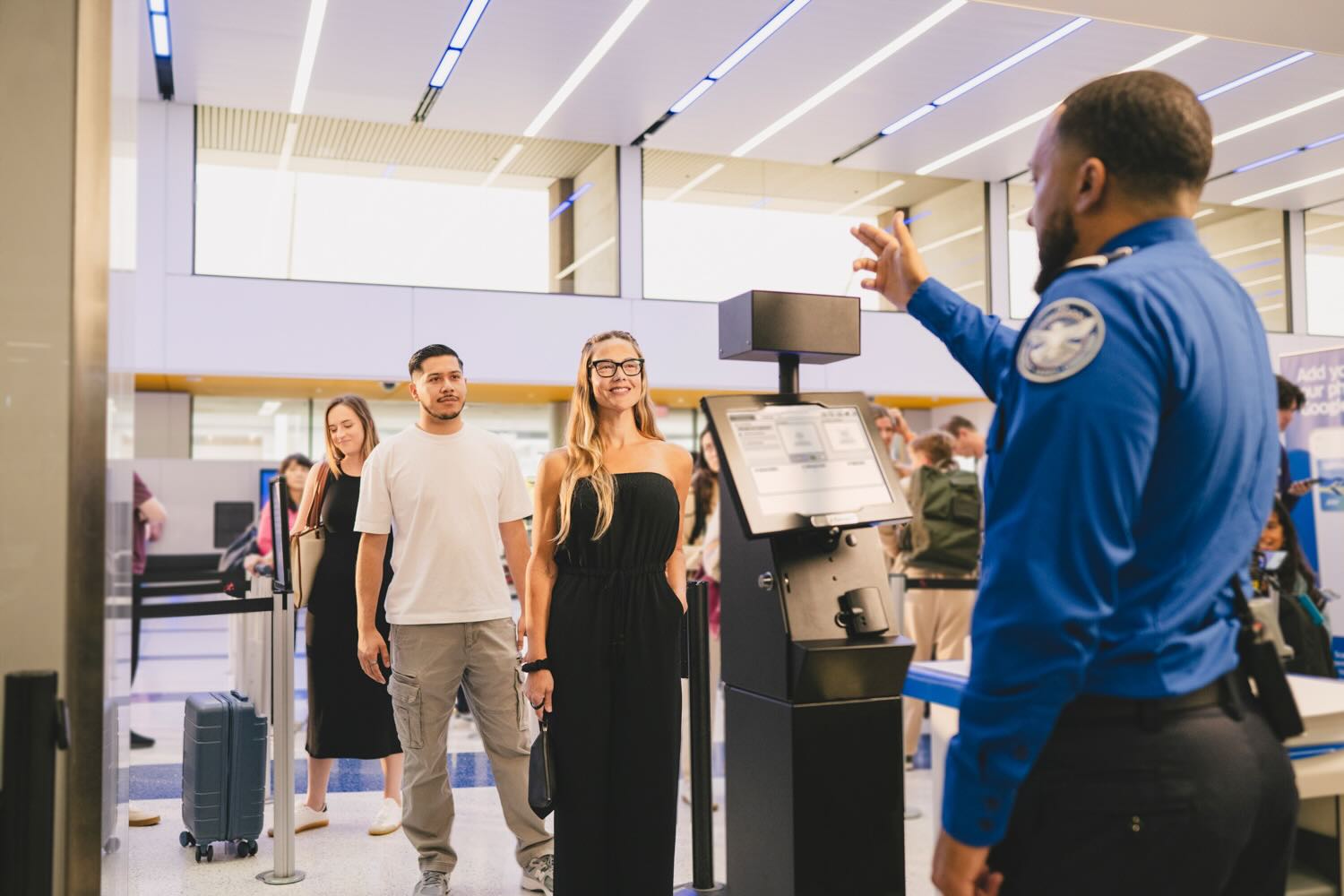
The latest partial government shutdown may once again create very real stress points for travelers, especially at airport security checkpoints and at U.S. borders.
What A Partial Government Shutdown Means For TSA And For Travelers
The partial government shutdown stems from Congress’s failure to pass a full-year Department of Homeland Security (DHS) appropriations bill before the funding deadline. While short-term funding measures have kept some operations running in recent months, lawmakers have remained deadlocked over border security policy and spending levels, forcing DHS into a lapse in appropriations that affects non-excepted functions. As a result, agencies under DHS, including the Transportation Security Administration (TSA) and Border Protection (CBP), are now operating under shutdown protocols, yet are tasked with keeping airports and borders moving, even when the government is not paying them.
TSA And CBP Checkpoints Stay Open, But “Open” May Not Be The Same As “Normal”
Despite the shutdown, TSA screening will continue as “normal.” The federal government treats aviation security as an essential function, so most frontline officers are expected to keep showing up even during a shutdown, knowing they will be paid for their work at a later point. The key question is what happens when a shutdown drags on.
History suggests the early days can look fairly normal, then performance can degrade if paychecks are delayed and morale collapses. During the 2018 to 2019 shutdown, TSA reported a spike in unscheduled absences, which forced some airports to close checkpoints and created long lines. However, that wasn’t a huge problem at most airports during last year’s extended government shutdown.
If the shutdown is brief, you may not notice much. If it lasts, you might start to see:
- Longer security lines at peak hours due to higher sick calls
- Fewer open lanes, especially at secondary checkpoints (hope your bag doesn’t get flagged!)
- Pre-Check lanes consolidated into normal lanes, which may result in so called “Modified Pre-Check” in which electronics may need to come out of bags
Airlines for America, the lobbying arm of of the U.S. airline industry, has warned:
“As yet another government shutdown looms, so does one of the busiest travel times of the year – spring break. Travellers and the US economy cannot afford to have essential TSA personnel working without pay, which increases the risk of unscheduled absences and call-outs and ultimately can lead to higher wait times and missed or delayed flights.”
International arrivals also will not stop. CBP continues operating at airports and land borders, but shutdown dynamics can still rear their ugly head, especially if staffing or overtime gets constrained. Rather than perpetual long lines, I expect we may see periodic pressure points that will include “nightmare” lines at certain airports at certain times, but most will move just fine. The same is true for TSA checkpoints.
Travelers often assume “shutdown” means Air Traffic Control (ATC) chaos. In this specific partial shutdown, air traffic controllers are not the group to watch because they sit under the Department of Transportation (DOT), not DHS.
What Travelers Should Do Right Now
This is not complicated and somewhat obvious, but it is worth being deliberate, even this week:
- Pad time: arrive earlier than you normally would (better to arrive too early than arrive too late)
- If you do not have PreCheck, consider it if you fly regularly, because standard lines may be worse than usual
- If you have a Global Entry interview coming up, monitor your email and be prepared for changes, since these appointments may likely be cancelled first if there are staffing shortages
Shutdowns are not great for airlines or hotels (AA blamed the 2025 government shutdown for its pitiful profits), but are not necessarily bad for travelers. We had several Award Expert clients cancel travel during the previous shutdown simply over fear of being trapped by security delays (it largely did not happened). If an extended shutdown causes travelers to cancel or postpone trips, that may lead to better airfare deals for those willing to travel.
CONCLUSION
A partial DHS shutdown does not ground airplanes, but it does put airport security and border processing under strain because essential workers are expected to keep the system running even as pay and administrative support become uncertain.
For travelers, the practical risk is not a dramatic nationwide collapse, but may include annoyances including longer security lines at TSA checkpoints and immigration at the U.S. ports of entry. Build buffer into your day, assume the system has less slack than usual, and plan accordingly…
image: TSA





I have not heard the TSA personnel are calling in sick as a form of protest. We should consider that doing so does not at all come at no cost to them. To the contrary, when they do so, they must use finite sick leave. Depending on individual situations, e.g., having young children who create demands on sick leave taking leave as a form of protest can be a challenge.
Dear oh dear, isn’t Criminal Trump making such a good job of running the US?
The last shutdown was more widespread so it had a lot more play in the press from day one. This partial is going a bit unnoticed so I fully expect there to be earlier and more pronounced sick calls than before (thus delays) to put attention on it and start pressuring both sides.
My take is to never give in. And to shut the entire Government down the next time. We have reached such a horrific state in this nation as to warrant a never compromise and be damned the entire system until MAGA is derailed. No more caving by Schumer and Kaine. The battle needs to be fought or we have lost our country and our democracy.
Thank goodness ATC is not included this time. It’s certainly not great for TSA or CBP, but, while their mission is important, ATC is life-or-death for aviation any time, every time. The Democrats, yet again, have reasonable demands (last time, healthcare; this time, federal agents not murdering people on the street), and Republicans are stonewalling them, leading to this shutdown.
James you need so work TDS is taking over your braincells!