
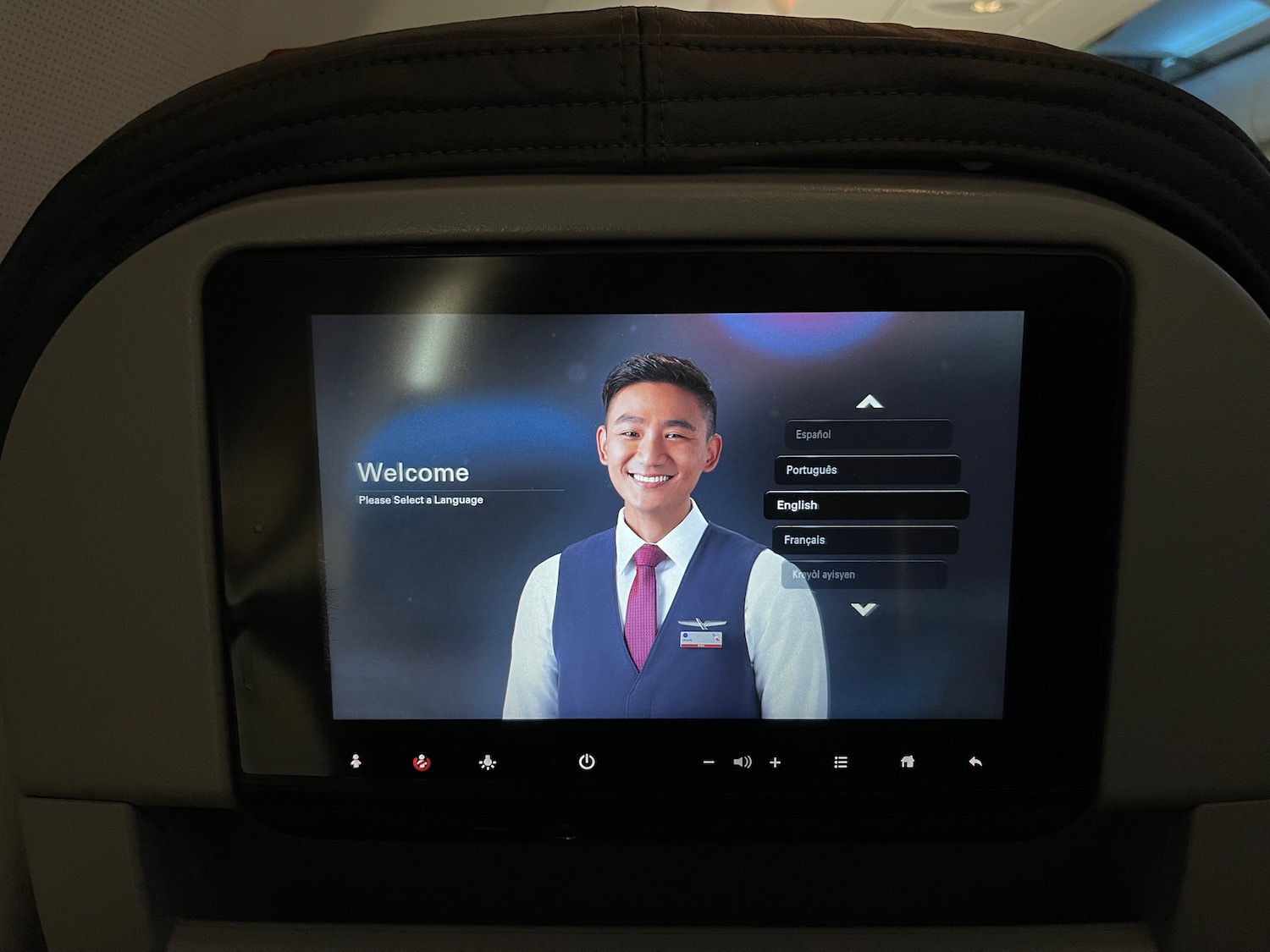
American Airlines is reportedly considering bringing back seatback screens on narrowbody aircraft, a remarkable reversal for an airline that spent years ripping them out and insisting personal device streaming was the future.
American Airlines May Bring Back Seatback Screens, But It Is Very Late In The Game
According to CNBC, American is “seriously considering” bringing back seatback screens on most narrowbody mainline aircraft, with a decision potentially coming as soon as next month. The same report says American is also evaluating a broader overhaul of inflight entertainment, including discussions with Starlink and Amazon’s Project Kuiper for faster Wi-Fi and Amazon for content. Nothing has been decided yet, but the fact that this is even under serious consideration says a lot about how much the airline’s thinking has changed.
JonNYC added an interesting wrinkle, noting that American’s new Chief Commercial Officer, Nat Pieper, was head of fleet at Delta Air Lines during the period when Delta was making decisions to add seatback screens across much of its narrowbody fleet:
That does not mean American is suddenly going to turn into Delta, but it does suggest there are now people in Fort Worth who understand that product still matters and that ripping out screens in the name of “modernization” was never quite the brilliant move it was sold as.
It Makes Sense, But American Is Playing Catch-Up Again
I think this makes sense. I also think it comes very late.
Seatback screens are not the most important thing in the world and I rarely use them for movies myself on domestic flights (though I almost always use the moving map). But screens are part of a quality package that helps distinguish a full-service carrier from a low-cost airline. When you are charging legacy-carrier fares, it is perfectly reasonable for passengers to expect a more complete onboard product, especially when competitors offer it.
American learned the hard way that taking something away and telling passengers they do not need it does not win loyalty. Even acknowledging that most have phones and tablets, neither can replace a seatback screen for those who want to relax on the flight. Delta never bought that argument. United moved back toward screens years ago and is now investing heavily in them. American, meanwhile, is left contemplating a reversal after already spending money to rip out screens on some aircraft…
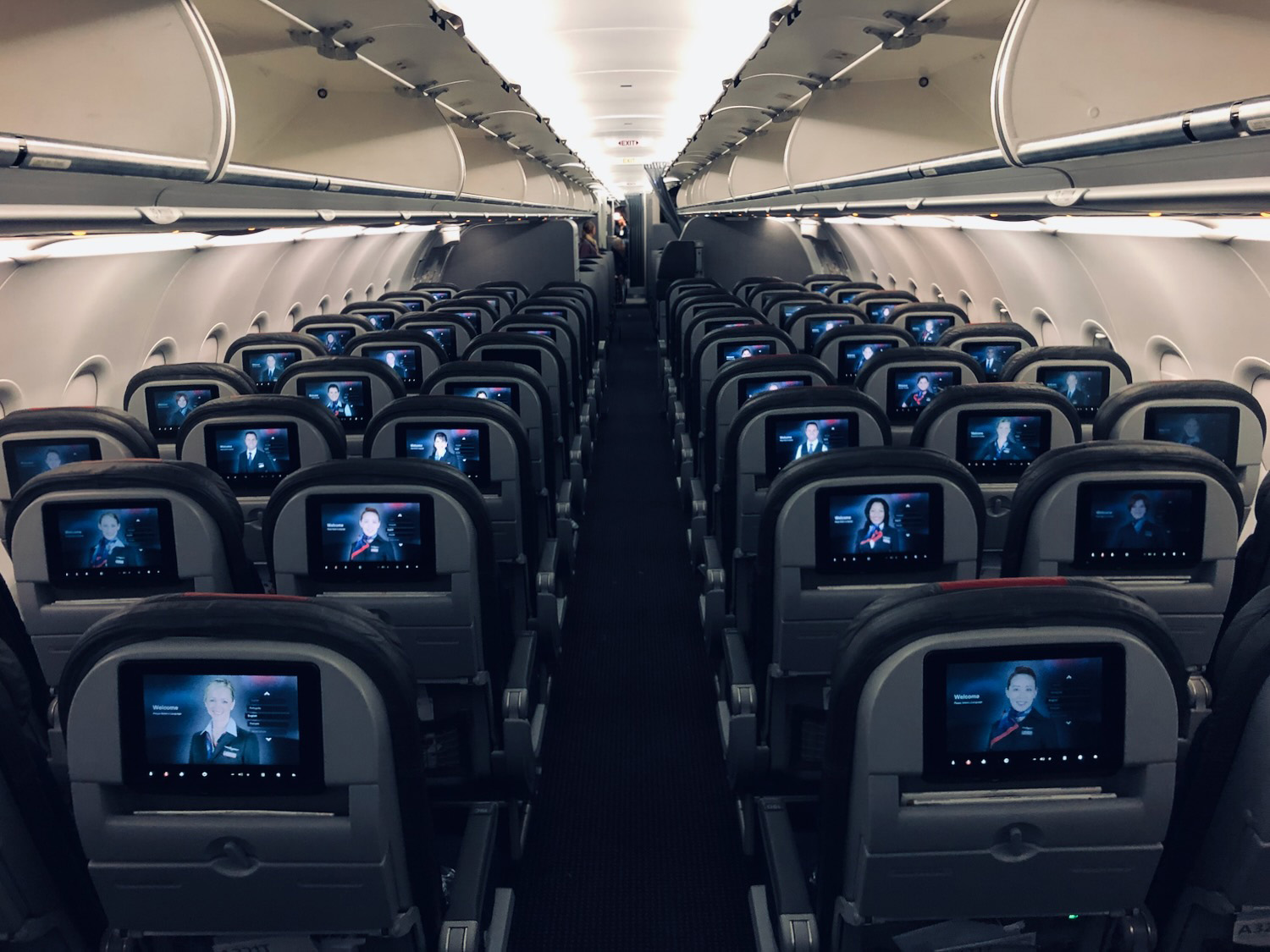
I was recently on American with my children and knew there would be no screens onboard, which meant I had to pack an extra laptop and a phone, plus headphones, so that they would stay occupied. That is manageable if you know in advance and if you are organized. But it is still extra work, and it is exactly the sort of thing a legacy carrier should be minimizing rather than creating if they wish to enjoy a revenue premium.
People can say that everyone should just bring their own device, but that misses the point. You can make the same argument about hot meals, airport lounges, or even first class. The whole premise of a full-service airline is that it offers a more complete experience. Seatback screens are not everything, but they are part of that.
American Cannot Afford To Treat Product As An Afterthought
The larger issue for American is that this cannot be the only answer. Bringing back seatback screens, if it happens, would be a smart correction. But telling American to focus on network or customer service instead of product sets up a false choice. It has to do all of it at once.
That is the unenviable position American finds itself in. Delta and United are not standing still. American trails both in profitability, carries more debt, and is still trying to recover from years of strategic drift. That makes every product decision harder, because there is less room for expensive mistakes and less time to wait for long-term payoffs.
So yes, I think bringing back seatback screens makes sense. But it also feels like yet another example of American arriving at the right answer after its competitors already moved on.
CONCLUSION
American Airlines has not decided to bring back seatback screens on narrowbody aircraft, at least not yet. But the fact that it is seriously considering doing so tells you that the old logic behind ripping them out has collapsed.
This would be a smart move if American follows through, though hardly a revolutionary one. It would not solve the airline’s larger problems, but it would acknowledge something that should have been obvious all along: passengers notice when you take things away, and they notice when your competitors keep investing while you focus on cost-cutting.
Hat Tip: One Mile At A Time






Whenever I’m flying Aegean in business class and, having finished the main meal, get busy polishing off the dessert created by Greece’s most well-known pastry chef while nursing my glass of excellent mastiha liqueur, enjoying the view of the Alps and getting ready to ask for a double espresso in order to restore a bit of sobriety, I always lament the lack of a moving map to look at!
I’ve never flown AA, but I am absolutely convinced that there are ways of improving the product without the complicated logistics involved in installing those screens and probably for less money than the cost of having to fly all that extra weight around.
We all know that airplane seats with LED screen weight heavier, and cost more to maintain. My question is the extra cost per 4 hour flight, or per year?
While it may be fine for AAL domestic economy class seats not to have screen, premium economy and domestic first class need LED screen to be competitive with United, Delta and Jetblue.
Cannot imagine boarding a plane without my own IFE loaded onto my own tablet. And, yes, I also bring my own food onboard a long flight too.
I stopped trusting airlines to provide functional IFE and edible food long ago.
As an adult capable of entertaining himself, I’d prefer the extra space in the footwells > IFE boxes taking up even more space.
Can’t imagine this selling one extra ticket in 2026. Is it any wonder why AA is considered the worst run airline and fails to make money quarter after quarter?
Talk about a waste of money, why there aren’t more shareholder lawsuits over management incompetence is beyond me.
Finally, AA management appears to have felt overwhelming pressure from U.S. profit leaders DL and UA, which have consistently invested in their on-board products.
Some day, all seats will have screens but if you buy basic economy the screen will be fixed and read “seat ____, basic economy”