
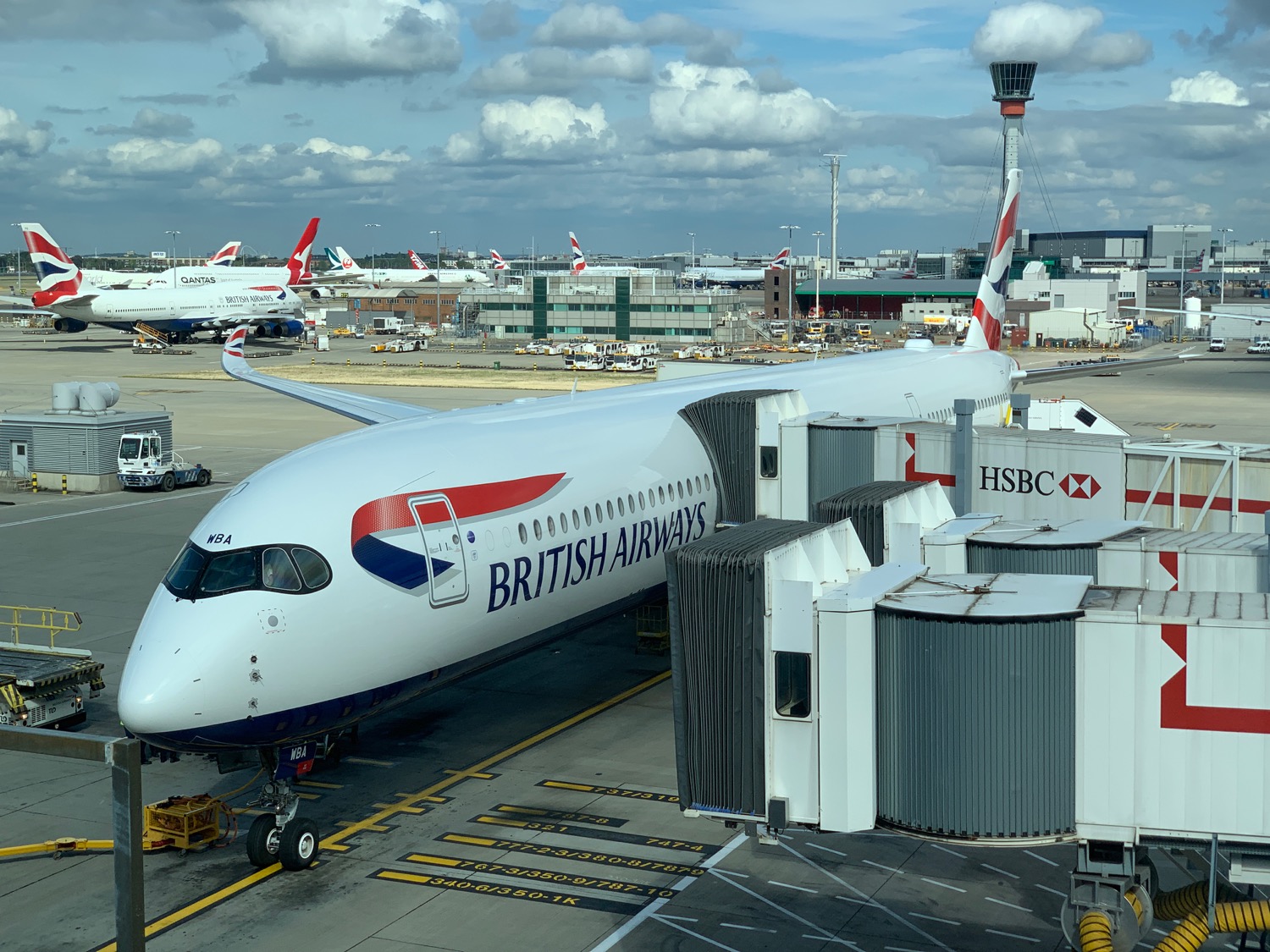
This is a grim story, and one that underscores how difficult (and frankly awkward) in-flight medical emergencies can become when they turn fatal. But the way this was handled by British Airways raises some real questions.
British Airways Stores Body In Galley For 13 Hours…Was There A Better Way?
A British Airways longhaul flight from Hong Kong (HKG) to London (LHR) turned tragic after a passenger in her 60s passed away roughly an hour after takeoff.
From there, the situation became complicated.
Rather than diverting, the pilots elected to continue the 14-hour journey to London. That decision, while uncomfortable, is not unusual. Once a passenger has passed away, it is generally not considered a medical emergency requiring diversion. The real issue is what happened next, at least allegedly.
Body Placed In Rear Galley For Duration Of Flight
According to reports, the flight crew was initially instructed to place the body in a lavatory and secure it. That proposal was rejected. Instead, the body was wrapped and placed in the rear galley for the remainder of the flight.
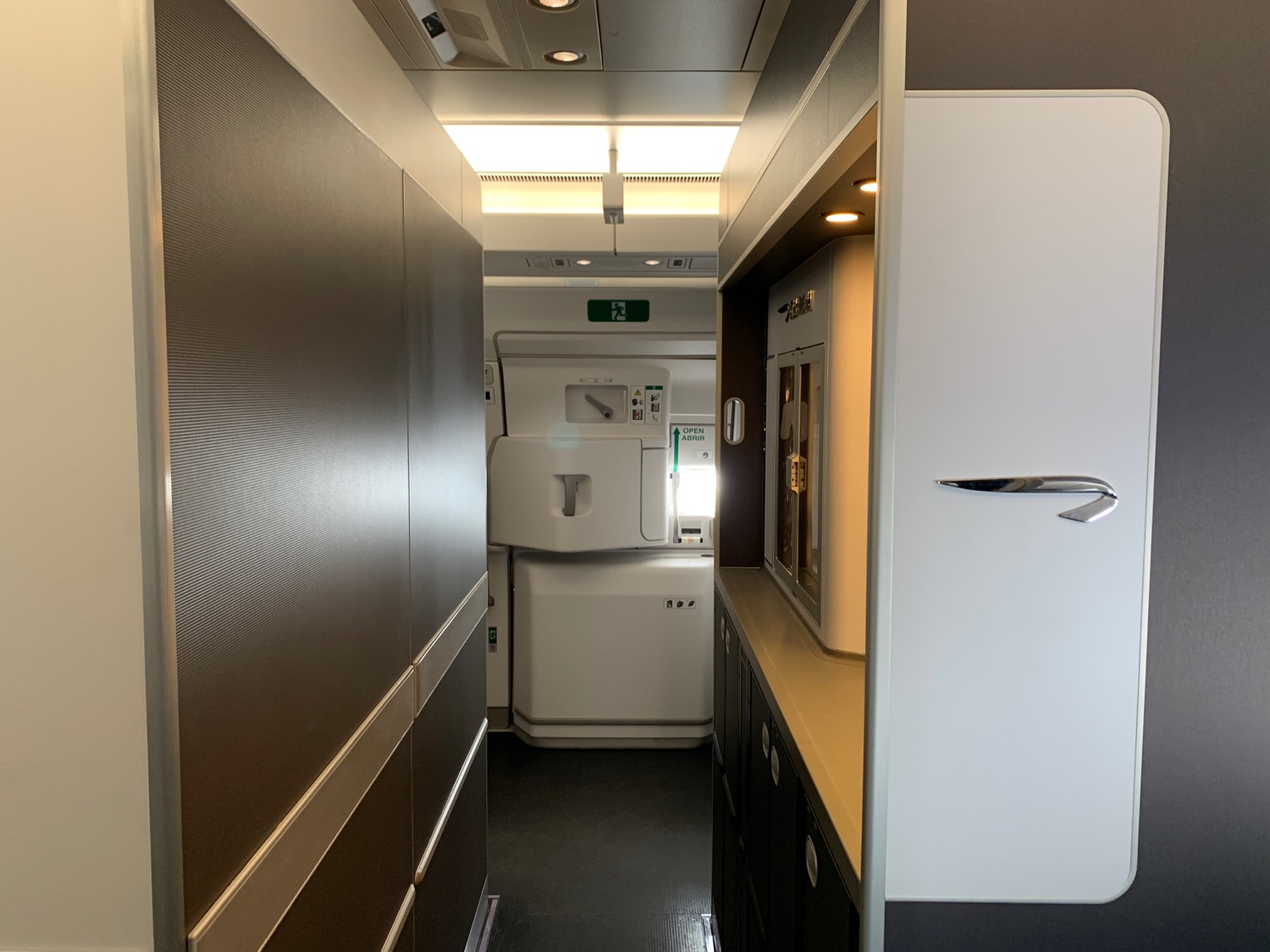
That strikes me as…strange?
The galley is, of course, where food is prepared and stored. It’s also one of the busiest working areas onboard an aircraft.
And then some passengers purportedly reported a “foul smell” toward the end of the flight, allegedly exacerbated by heated flooring in the galley area.
Whether that detail is fully accurate or somewhat exaggerated is not entirely clear (like One Mile At A Time, I wasn’t aware that A350s even had a heated floor option). While body decomposition typically takes 24-48 hours to begin, in hot, humid conditions, odors can begin within 10-12 hours…it’s within the realm of possibility.
Was There A Better Way?
There is no perfect way to handle a situation like this. Airplanes are not equipped with morgues. Space is limited. Privacy is limited. Options are limited.
But there are still better and worse solutions. Storing a body in a lavatory is not pleasant, but it is at least:
- Out of sight
- Contained
- Separated from food preparation areas
Placing a body in the galley, even temporarily, creates a different set of issues, both practical and psychological. And that’s before you consider the crew, who presumably had to continue service in the same space for the remainder of the flight.
Some reportedly required time off afterward, which is not surprising…
British Airways Says Procedures Were Followed
British Airways has stated that “all procedures were correctly followed” and expressed condolences to the passenger’s family.
That may well be true. But “correct” does not always mean “ideal” or “best.”
Procedures often leave room for judgment, and this is one of those situations where that judgment is now reasonably being scrutinized.
CONCLUSION
This is first and foremost a tragic situation for the passenger and her family, and that should not be lost in the more sensational aspects of the story.
But it also highlights that even on a new A350-1000, handling death onboard is not a straightforward task.
British Airways may have followed procedure, but placing a body in the galley for 13 hours does not strike me as the best possible solution, especially when other options were apparently available.
There are no good answers here, but it seems to me there are certainly better ones…






people need to calm down. There is no good option. You want to divert and inconvenience 300 people? you want to leave the person in their seat next to live people. Sometimes bad things happen. It’s a death. Stop complaining people. Have a little sympathy for the family and the crew.
Should’ve called the wahmublence. *wee woo wee woo*
Surprised they had ” body wrap ” A corpse can leak fluid ( not just from decomp ) and morticians usually plug stuff up before transport. Very sad timing .
In addition to this sad airline incident, another tragic event occurred in NYC.
Airlines that offer a quality service on long haul flights are equipped for this situation which occurs more often than many people realise. They provide a refrigerated container, accessible to the crew in which to store a body discretely and out of the way of crew and passengers, Airbus will fit this as standard and have offered it since the A340 was new. Singapore Airlines fit it to their long haul aircraft.
British Airways of course would not want the expense when there are executive bonuses and shareholder dividends to maximise before any other consideration so crew and passengers suffer.
SQ had corpse containers on A340s, but they weren’t refrigerated, and apparently they were never used. They were also fashioned by SQ, not Airbus or any other vendor.
Maybe I’m the only one that doesn’t know… what is SQ?
SQ is the airline code for Singapore Airlines.
True. The flag carrier’s IATA code is SQ, and its ICAO code is SIA.
Putting a corpse in a lavatory sounds much better than putting in the galley. I wonder though – a 60-year old female might be manageable, but what if a very large person dies? If you’ve ever tried to lift or move even a 150-pound body, let alone 200 pounds or more, it’s really difficult (no, I don’t move corpses frequently, but I had to move parents, and I’ve done first-resp0nder training). I can’t imagine trying to get a large body lifted out of a regular seat and then into a typical aircraft lav.
Taking a lavatory out of service on a long haul flight risks others being over used and their tanks being overfilled which could lead to worse problems.