
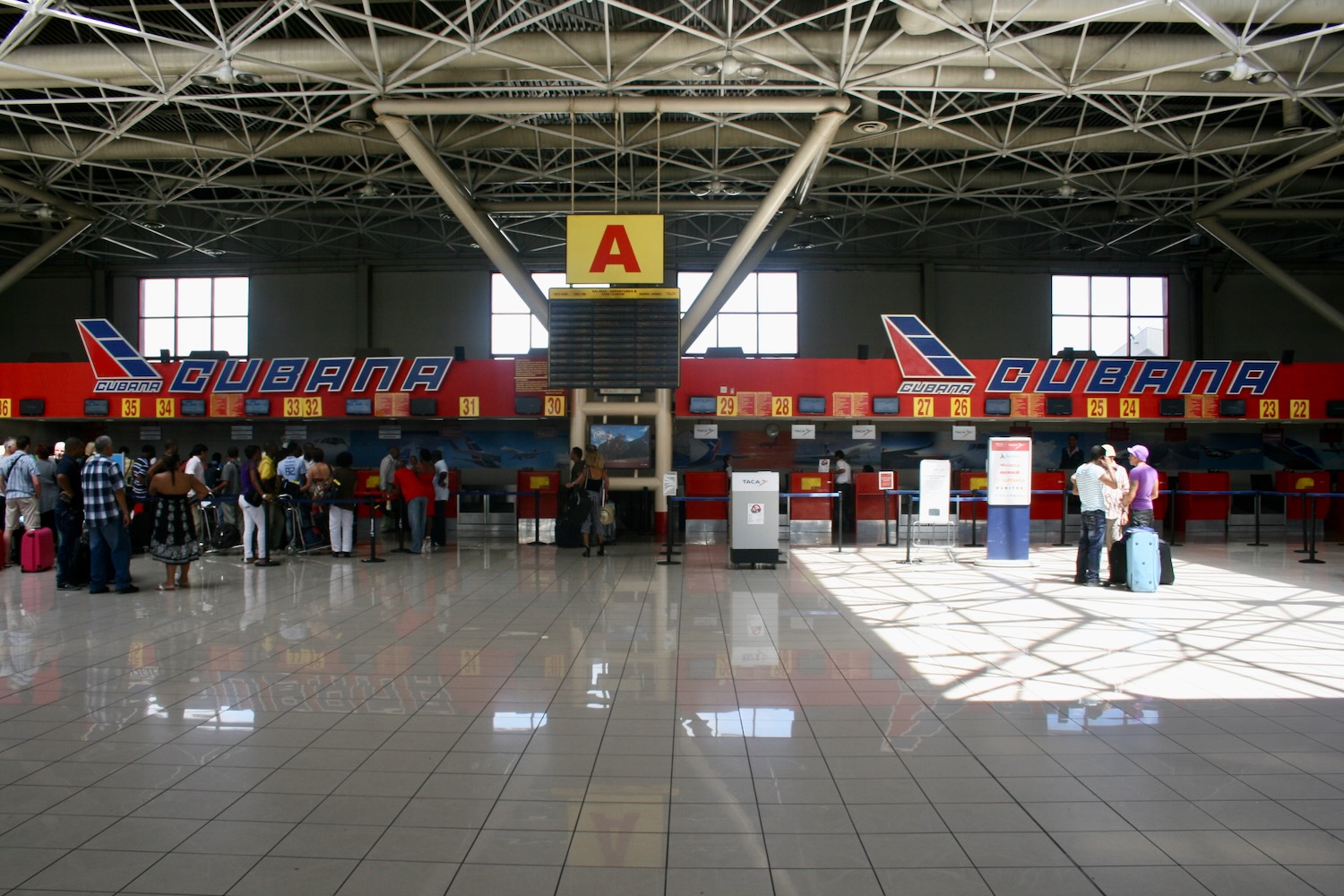
Airlines are scaling back service to Cuba as a worsening jet fuel shortage, tied to a tightening U.S. oil blockade, begins to directly disrupt commercial aviation to the island.
Airlines Cut Cuba Flights As U.S. Fuel Blockade Triggers Jet Fuel Shortage
A growing aviation disruption is unfolding in Cuba after authorities warned airlines that jet fuel will not be commercially available at major airports for weeks, forcing carriers to reduce or suspend service.
The fuel shortage stems from a broader U.S.-driven effort to restrict oil shipments to Cuba, which has effectively cut off the island’s access to refined petroleum products. Cuban officials have warned that aviation fuel shortages could persist into March, prompting airlines to reassess near-term operations.
Several foreign carriers have already acted. Canadian airlines were among the first to scale back service, with flights canceled and aircraft sent to Cuba only to retrieve stranded passengers before suspending inbound operations. Now Russian carriers have taken similar steps, operating return-only flights to evacuate tourists before halting regular service.
Thousands of travelers have been affected as airlines confront a basic operational reality: without guaranteed access to jet fuel, sustained commercial service is not viable. Some carriers, like Iberia and Air Europa, have added fuel stops in Santo Domino (SDQ) in the neighboring Domincan Republic, but that adds cost, complexity, and schedule instability that few are willing to absorb for long.
The situation has prompted travel advisories from multiple governments, urging citizens to avoid nonessential travel to Cuba as shortages extend beyond aviation fuel to transportation, power generation, and basic infrastructure.
Cuba’s reliance on imported fuel has long been a vulnerability, but recent geopolitical pressure has accelerated the crisis. Venezuelan oil shipments have effectively ceased under U.S. sanctions. Mexico briefly stepped in to supply fuel, but threats of economic retaliation curtailed those efforts. Russia has signaled it may provide fuel shipments framed as humanitarian aid, though timelines and logistics remain uncertain, especially as Russia tries to cajole the U.S. into pressuring Ukraine into a peace deal that benefits Moscow.
U.S. carriers will continue service to Havana (HAV) for now, carrying enough fuel for the round-trip journey. American Airlines and Delta Air Lines fly to Havana from Miami (MIA). After a “crackdown” from the Trump Administration on unpermitted travel to the communist island nation, United Airlines suspended service to Cuba last July (although it continues to operate periodic charter flights to US-controlled Guantanamo Bay).
Once again, we see how geopolitical pressure can translate directly into aviation disruption. In this case, an energy blockade has quickly become an airline scheduling problem, leaving carriers and passengers to deal with the fallout.
It looks like my Cubana IL-96 trip will have to wait a little longer (CU-T1250 is still in service, though not operating commercially right now)…
CONCLUSION
Air service to Cuba is being cut not because of weak demand, but because aircraft cannot reliably refuel on the island. Until fuel shipments resume or alternative arrangements are secured, airlines will continue to scale back operations, with Russian carriers the latest to cut service, following Canadian carriers.






This fuel shortage must surely be the result of the toddler’s behaviour?
Cuba will find a way around this and sideline the US as others are. It’s great that Criminal Trump is diminishing the US a bit more every day.
Oh no… my vacation to… *checks notes* Cuba? What? …is ruined!
Cuba has no one to blame but themselves. Not the Cuban people but their government who has fought their people and the majority of the world for over 60 years.
Like Las Vegas, a much better place when the mob ran the place.