
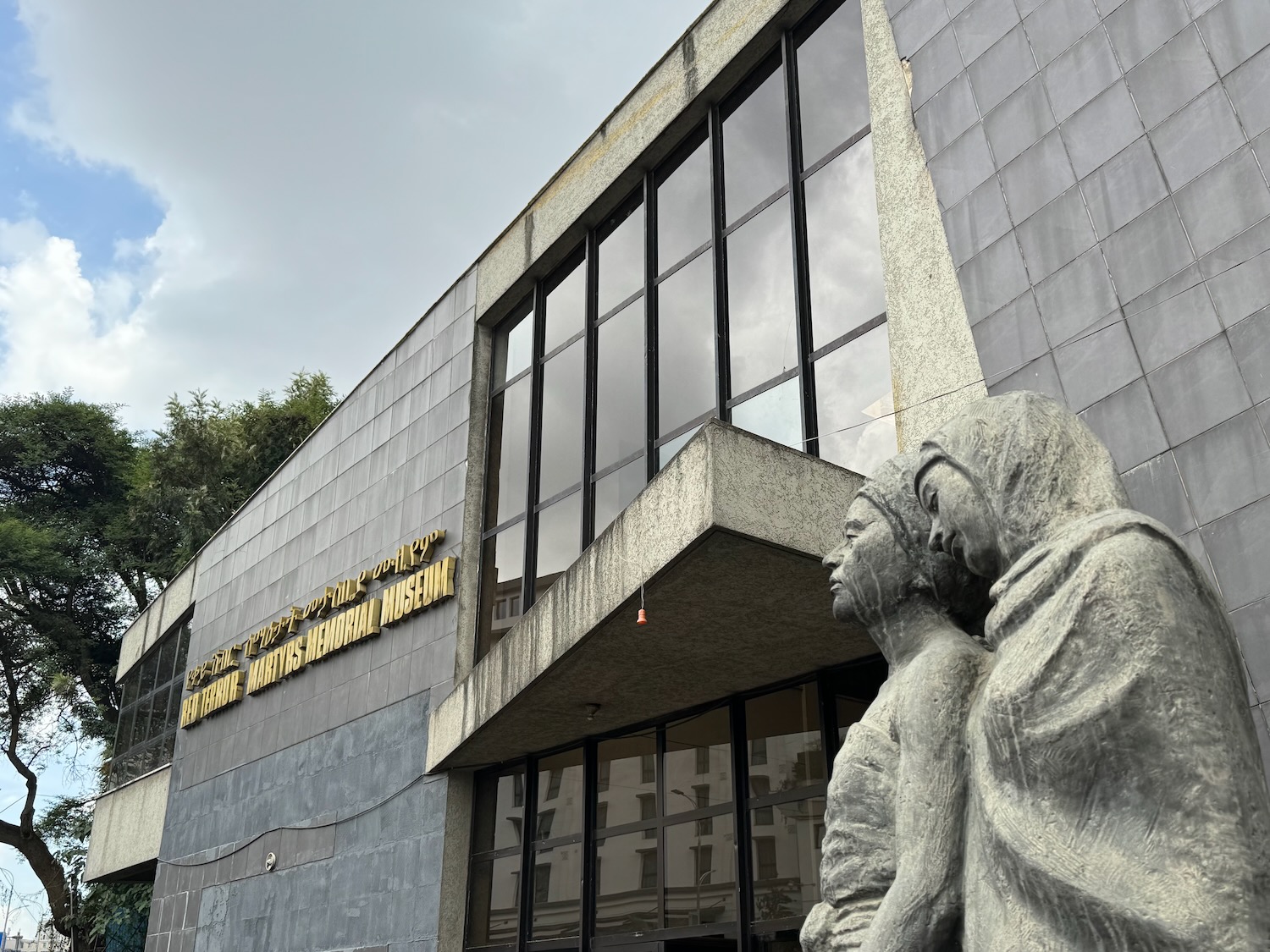
I crossed the street from my Addis Ababa hotel and walked into one of the most unsettling museums I have ever visited.
The Red Terror Martyrs Memorial Museum Is One Of The Darkest Places I’ve Ever Been
I visited the Red Terror Martyrs Memorial Museum in Addis Ababa on a quiet morning, still shaken from a pickpocketing incident earlier that day. I knew, in broad terms, what the museum documented. I did not fully appreciate how direct, graphic, and unflinching it would be.
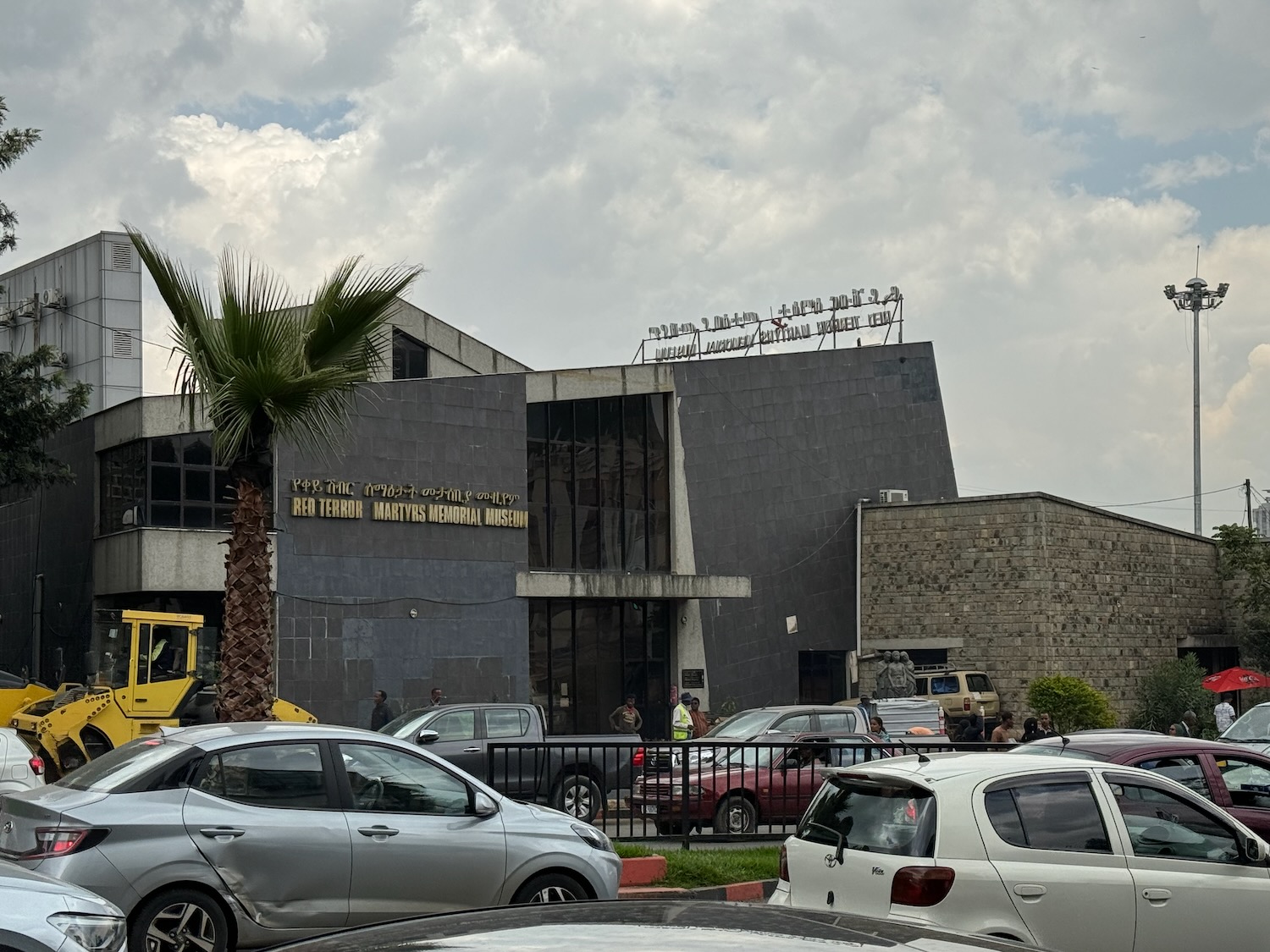

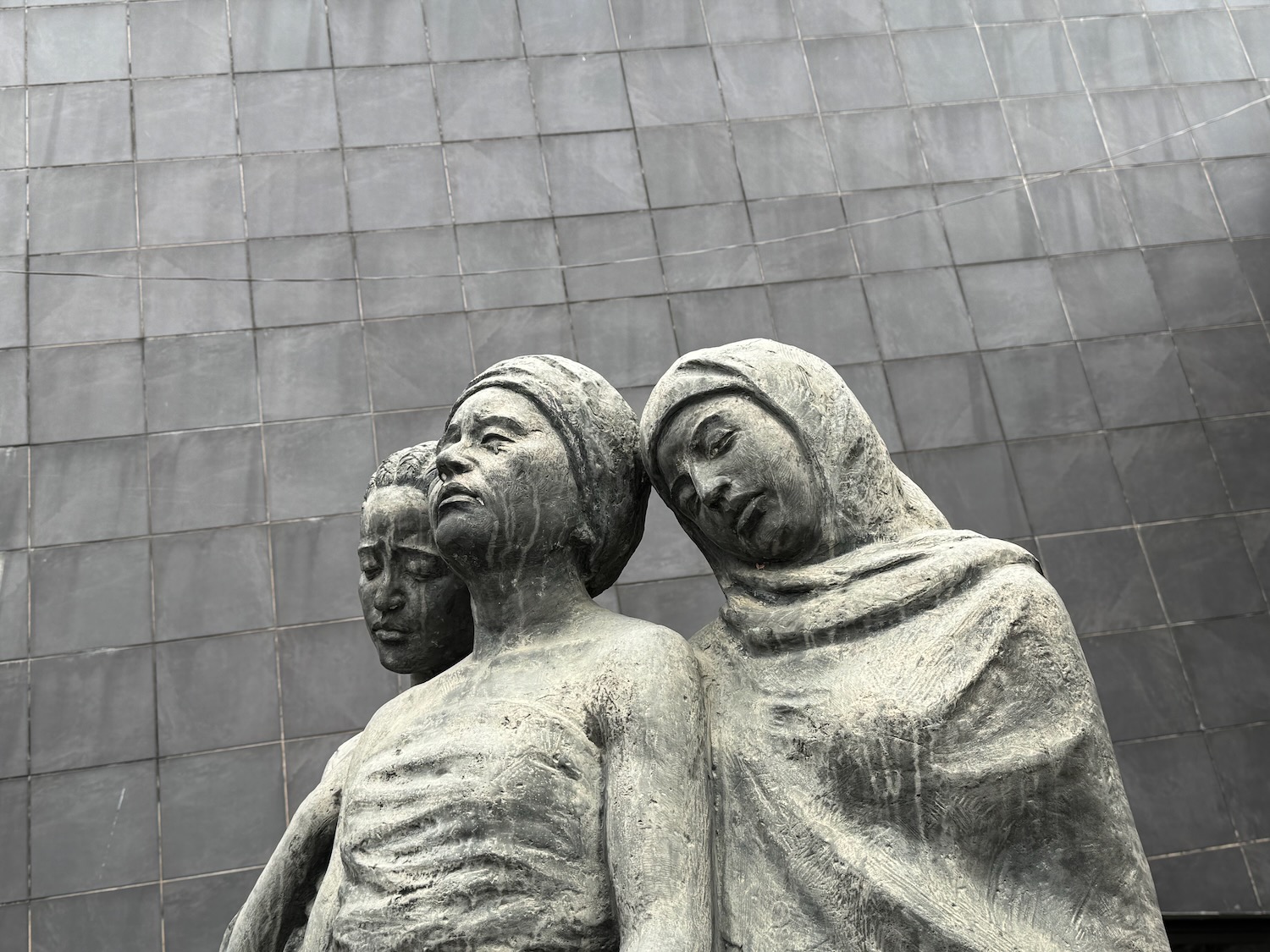
Like any good museum documenting human atrocity, it is not designed to comfort the visitor..it is designed to confront you.
What The Museum Is
The Red Terror Martyrs Memorial Museum commemorates the victims of the “Red Terror,” a campaign of mass violence carried out by Ethiopia’s Derg regime between 1976 and 1978. The Derg was a Marxist-Leninist military junta that seized power after the overthrow of Emperor Haile Selassie and ruled Ethiopia through fear, surveillance, and systematic brutality.
The museum sits directly across from Meskel Square, an ironic and jarring location given how central that space is to public life in Addis Ababa (it became Revolution Square after the overthrow of Selassie). Inside, the museum documents state-sponsored murder, torture, imprisonment, and terror carried out against perceived political enemies, students, intellectuals, and ordinary civilians.
A Campaign Of Terror By Design
What makes the Red Terror particularly chilling is how deliberate it was. This was not chaos or civil-war collateral damage. It was a policy.
The Derg encouraged citizens to inform on one another. Youth militias were armed and empowered. Bodies were left in the streets as warnings. Families were often forced to pay for the bullets used to execute their loved ones before they could retrieve the bodies.
The museum makes this explicit. Photographs show young faces, many of them students. Exhibits describe arbitrary arrests, torture methods, and executions carried out without trial. Prison cells are reconstructed. Personal belongings are displayed. Names and dates are preserved.
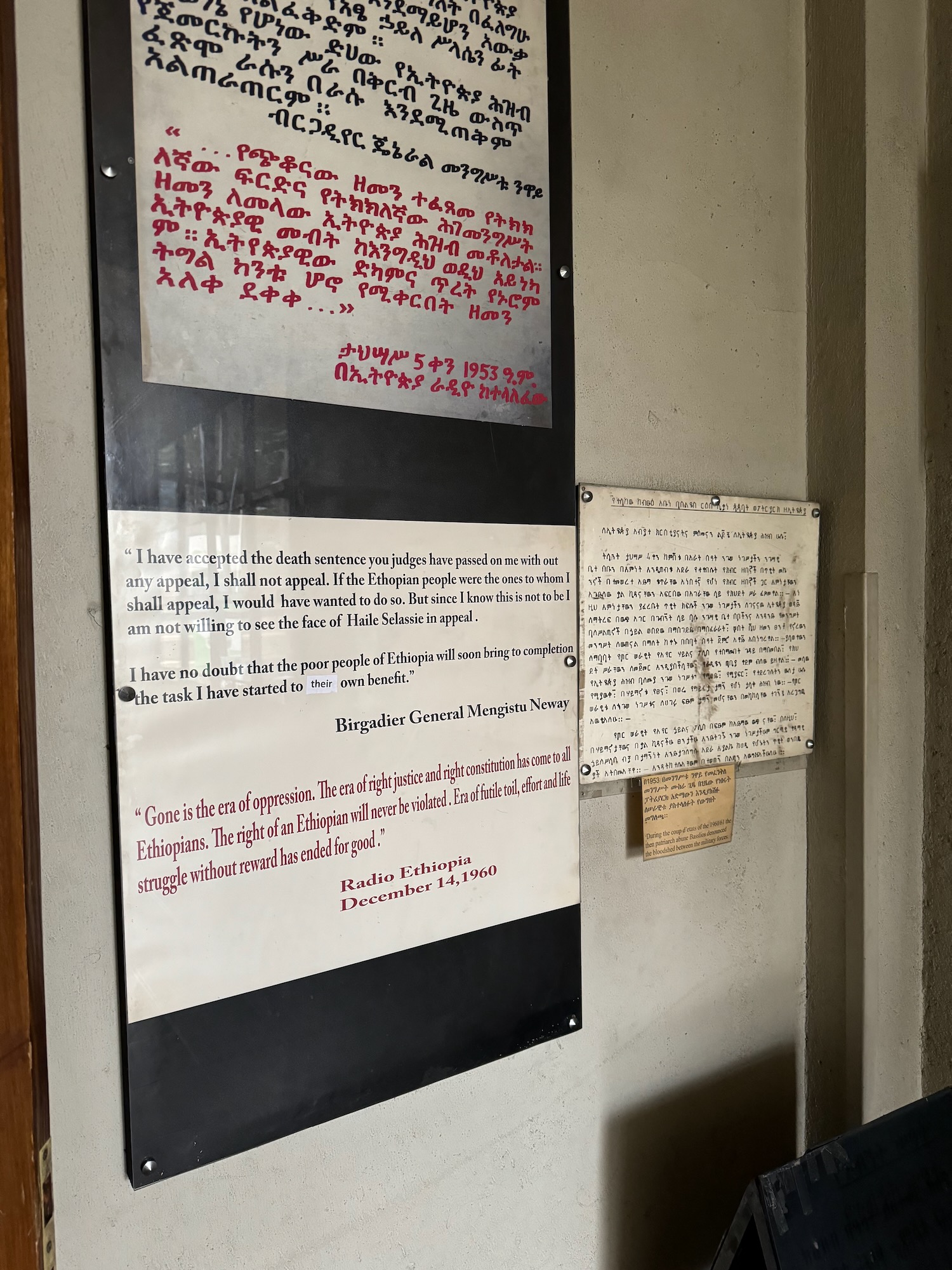
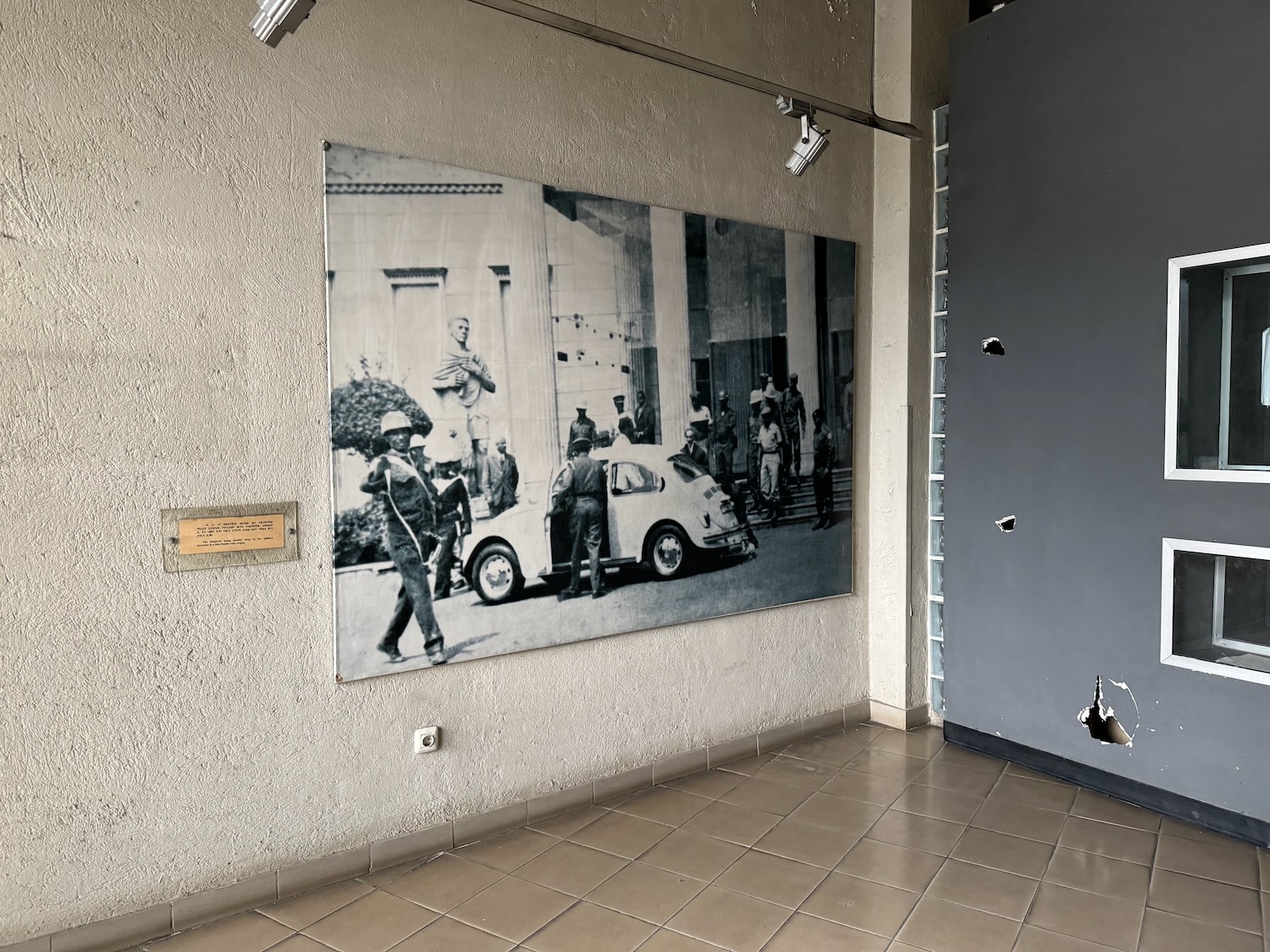
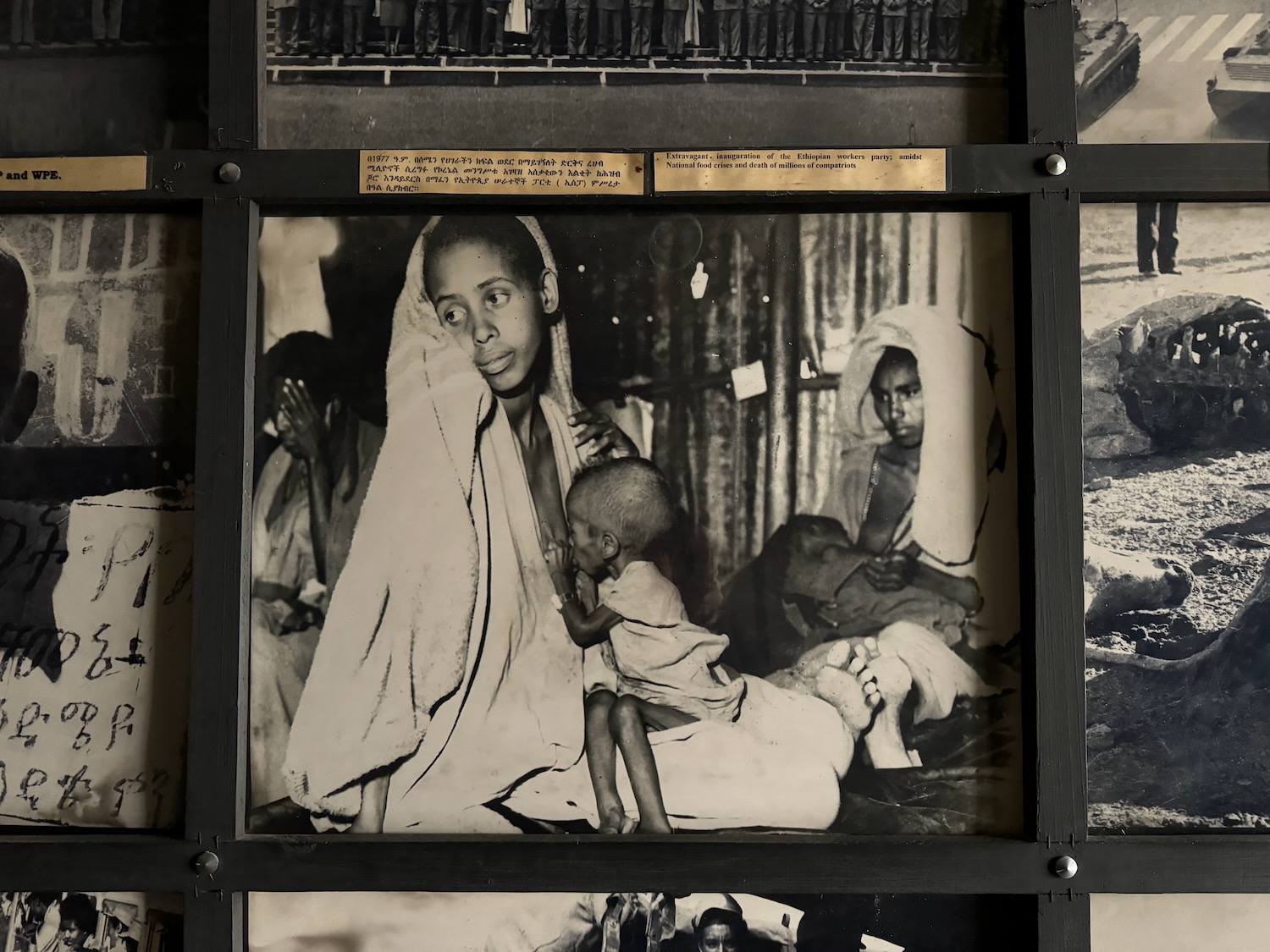
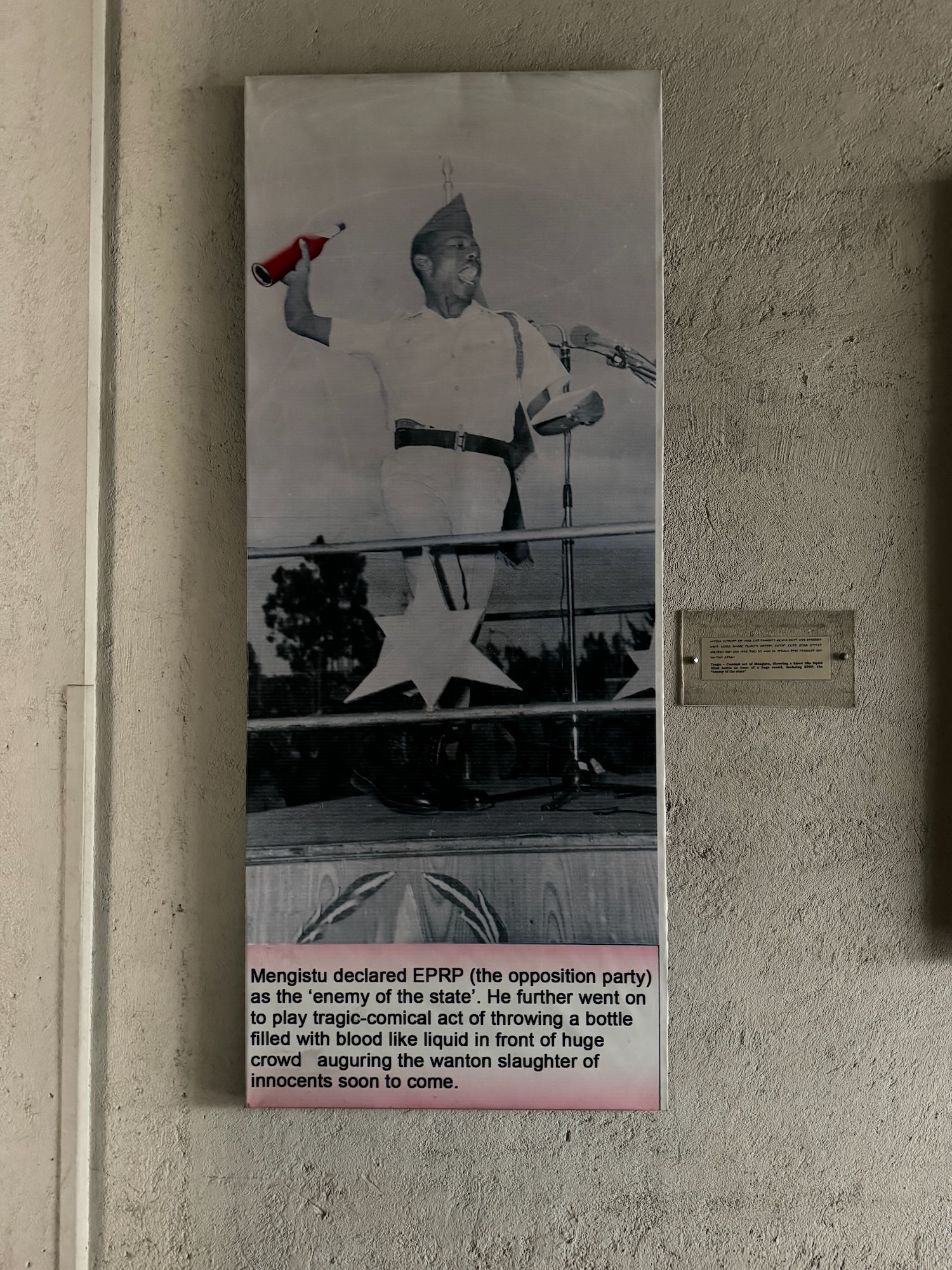
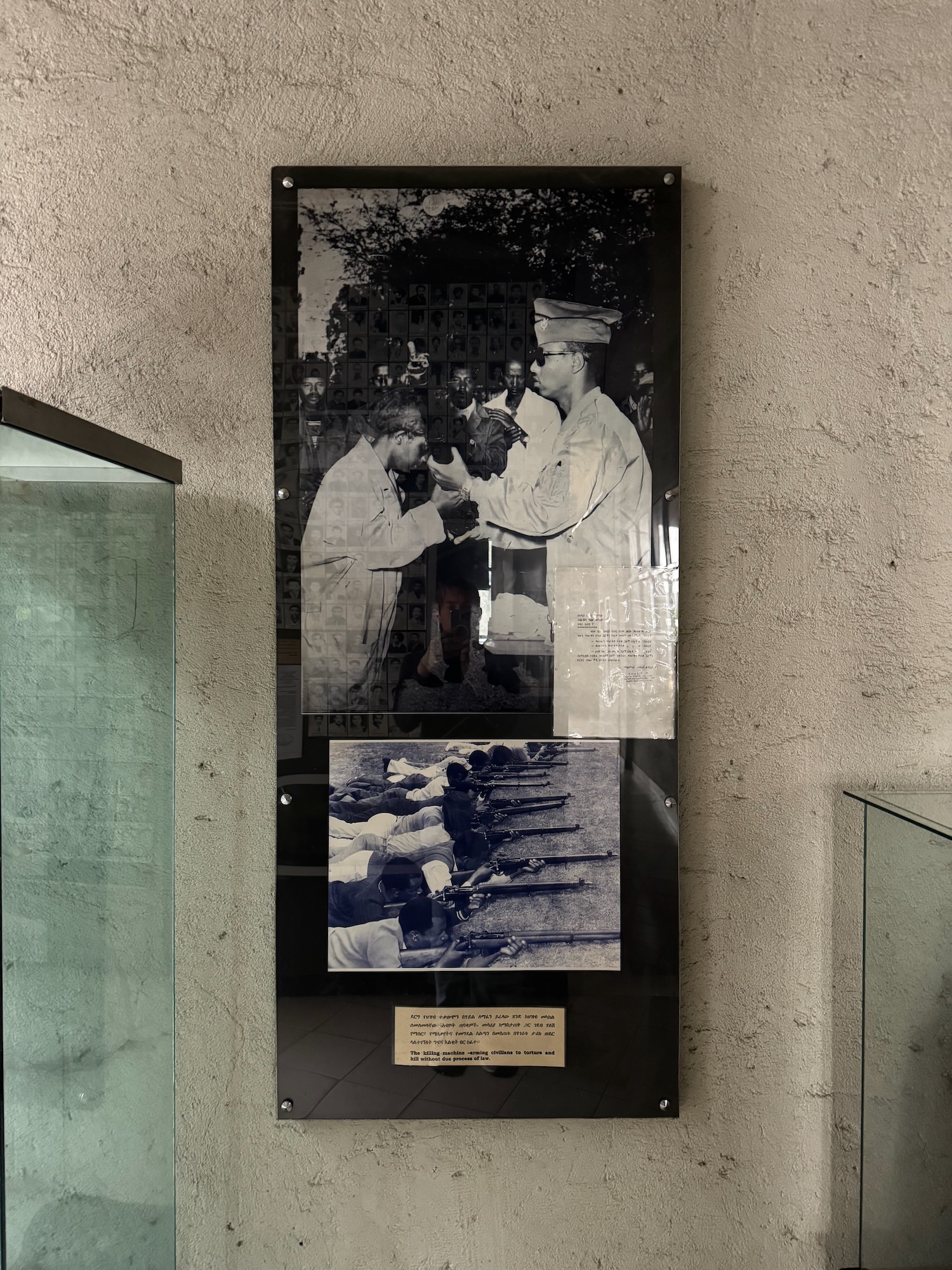
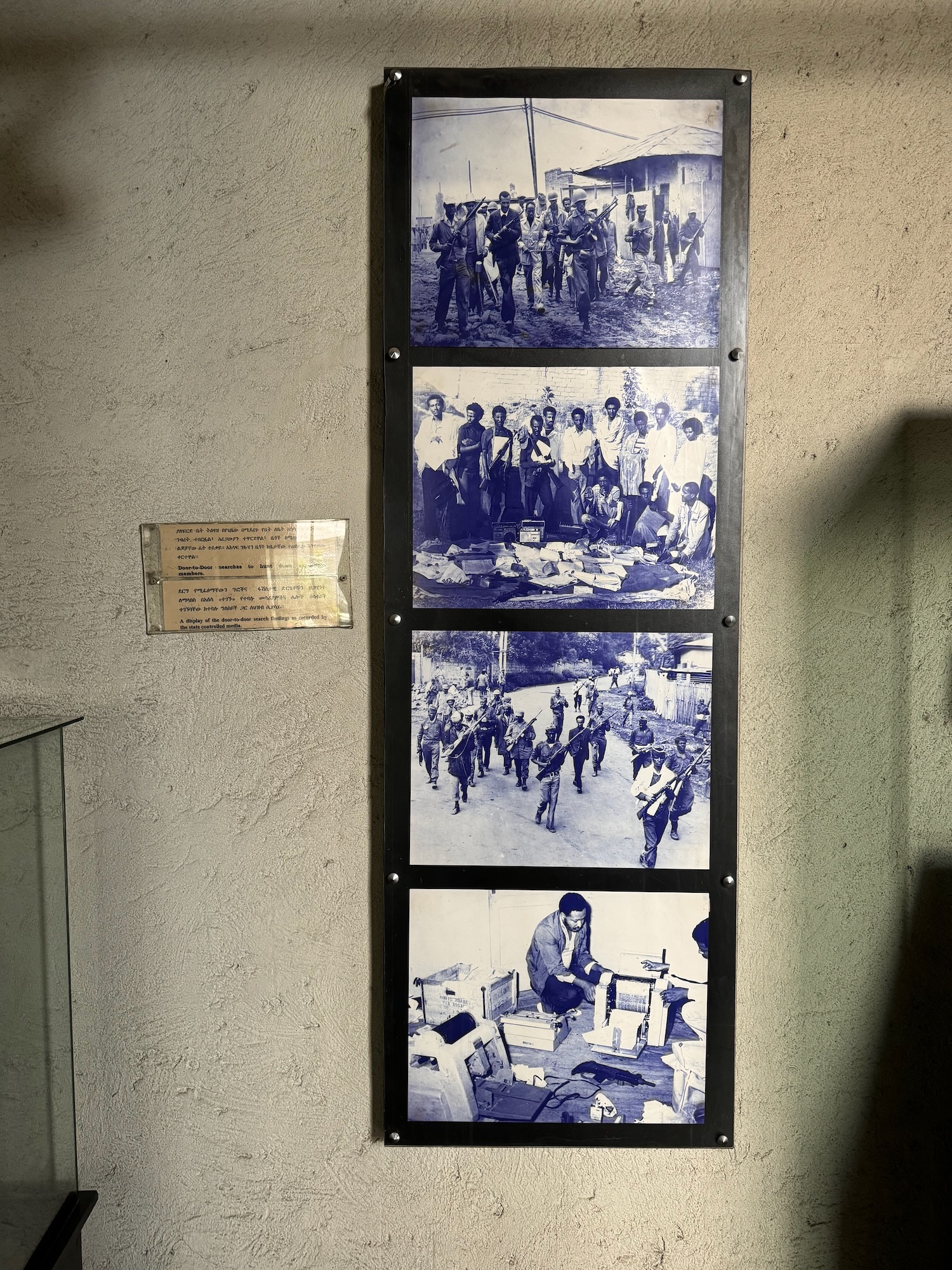
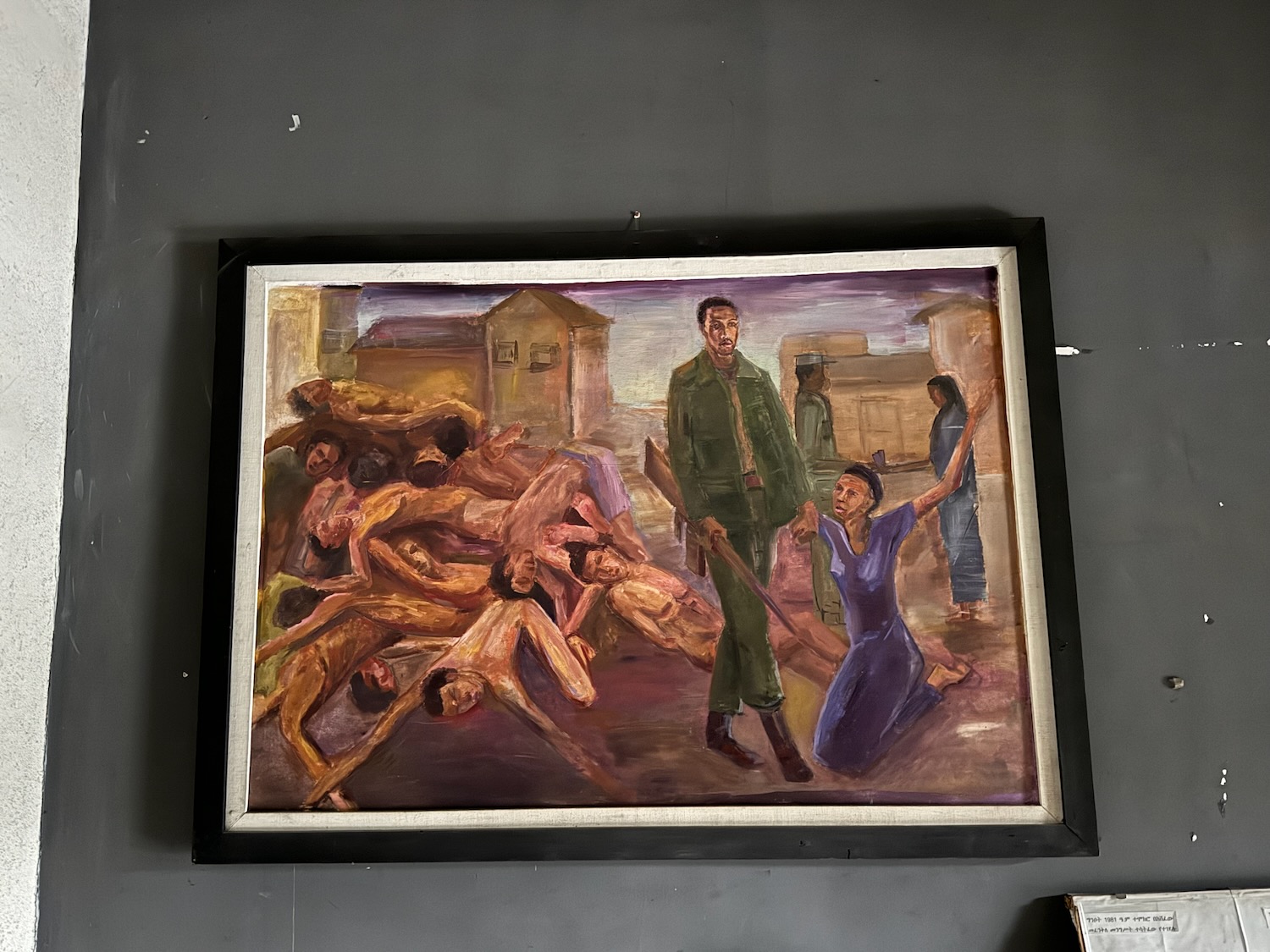
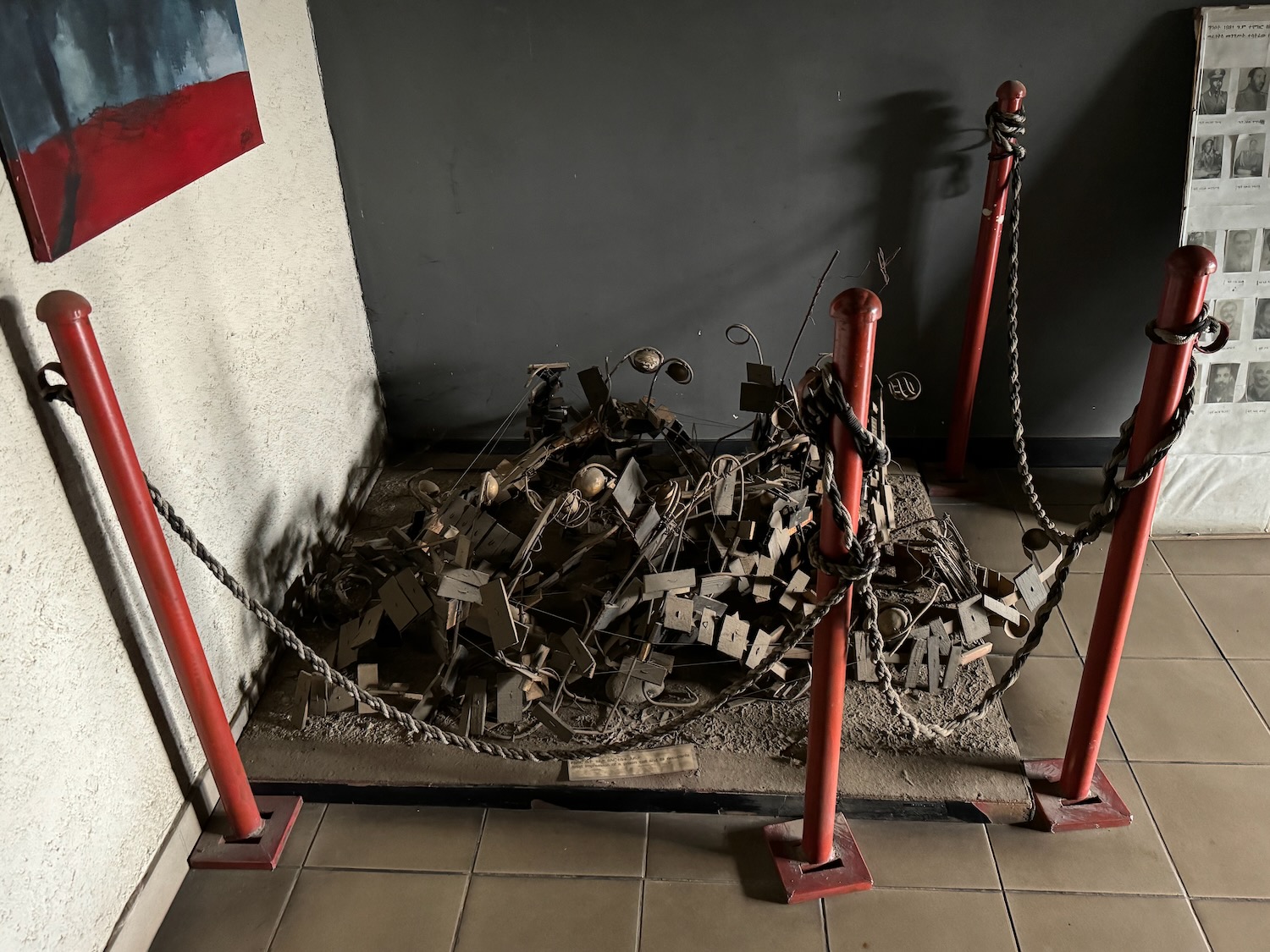
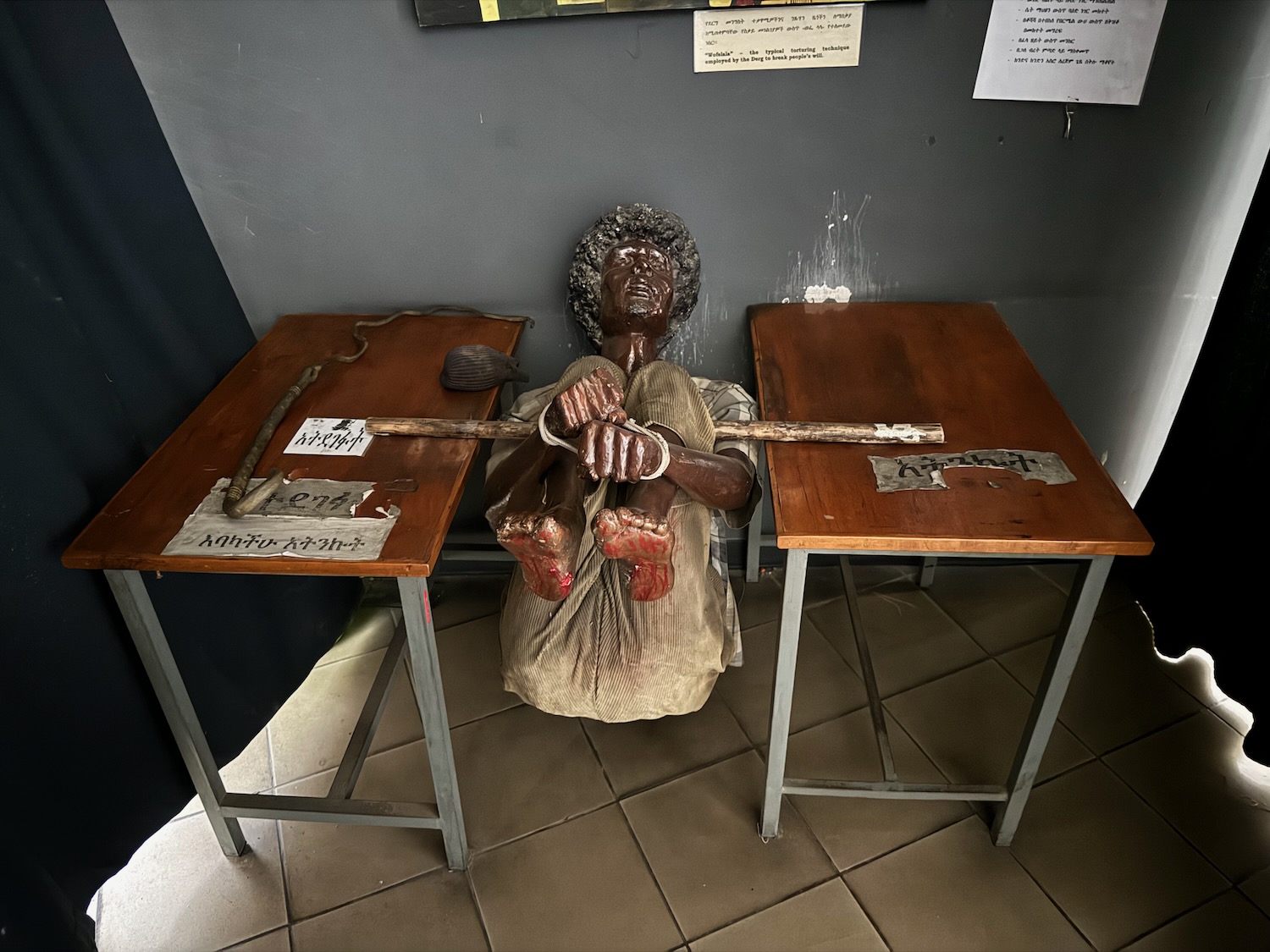
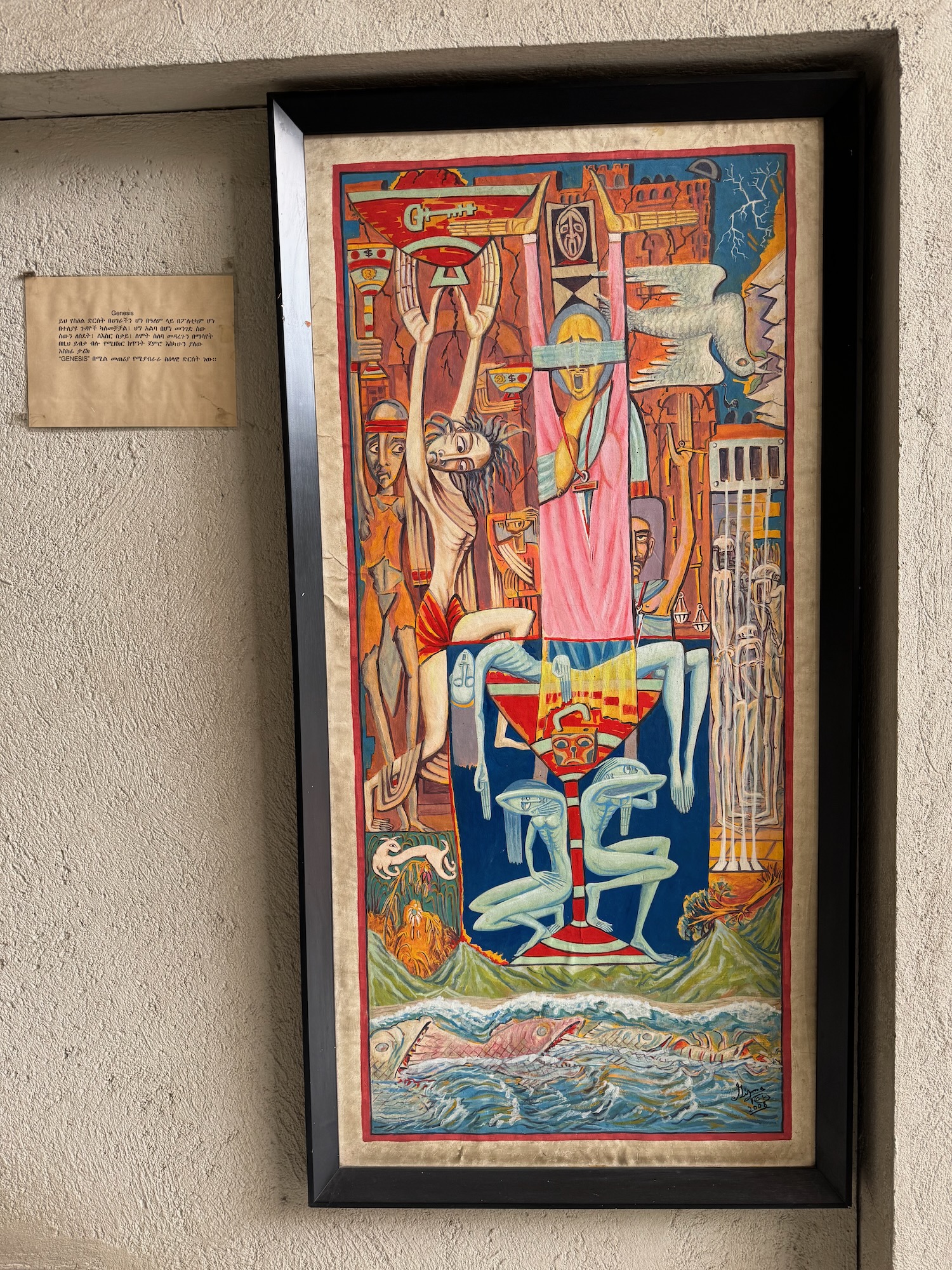
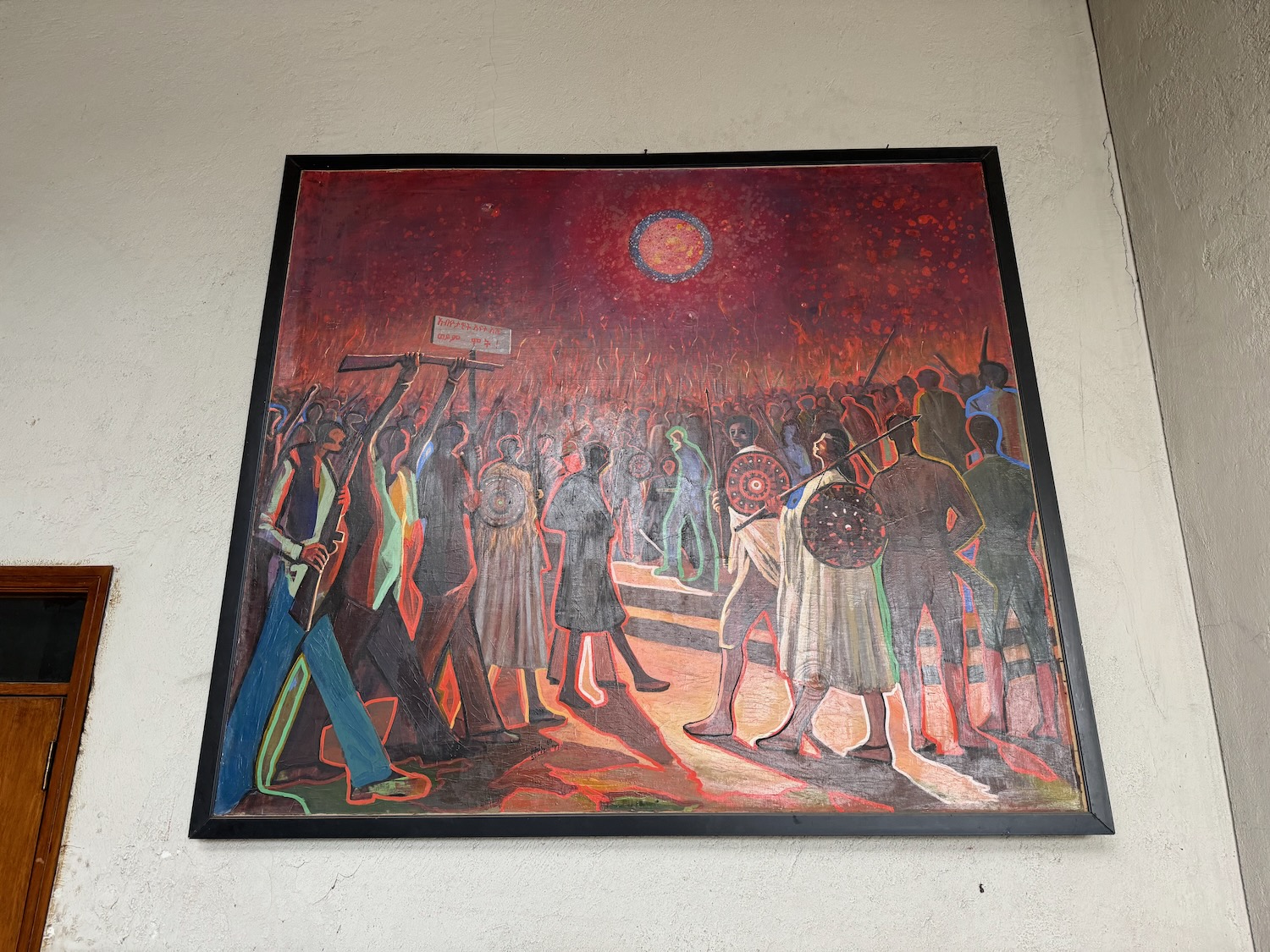
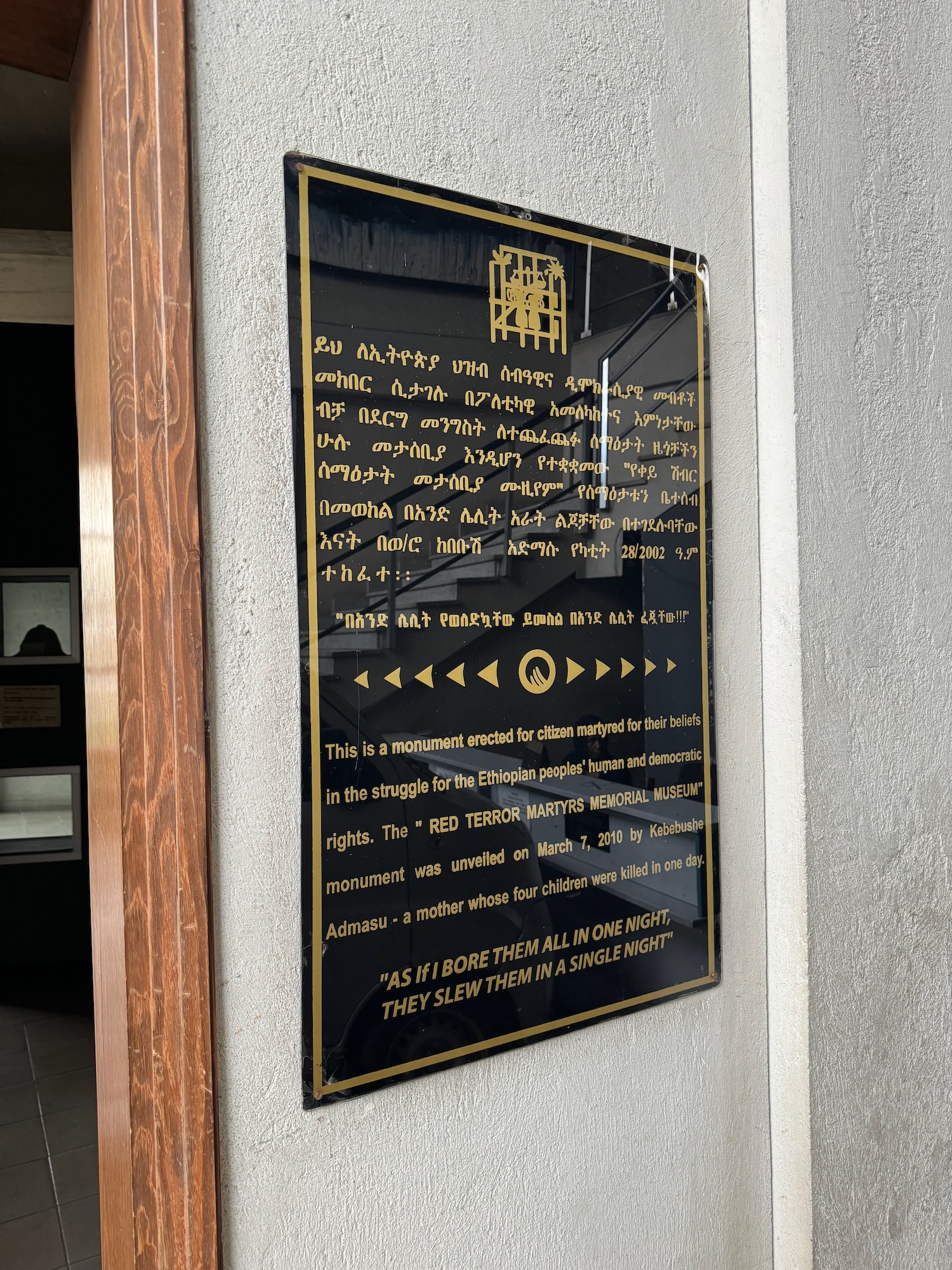

The scale is staggering. Tens of thousands were killed. Many more disappeared.
I have always been drawn to museums like this that document humanity at its worst. Genocide museums. Holocaust memorials. Gulag exhibits. Not out of morbid curiosity, but because they strip away abstraction.
Evil becomes specific. Bureaucratic. Ordinary.
The Discomfort Is The Point
This is not a place you “enjoy.” It is a place you endure.
I left feeling quite unsettled, having quickly forgotten about my own petty pickpocket incident when I considered what so many had been through.
And that is exactly the point. This museum exists not to entertain or even to educate in a conventional sense, but to preserve memory in a way that resists denial, minimization, or apathy.
Walking through the exhibits, I kept thinking about how language like “revolution,” “purification,” or “security” gets used to justify the most grotesque acts…yesterday and today. The Red Terror is a reminder of how quickly ideology can become an excuse for mass murder.
CONCLUSION
The Red Terror Martyrs Memorial Museum is one of the most disturbing places I have ever visited, and one of the most important. It is certainly worth a visit if you are in Addis Ababa.
It forces confrontation with the reality of human depravity when ideology, fear, and power collide. I am drawn to museums like this because they are honest about the human condition.
Travel writing often sanitizes destinations. Ethiopia, in particular, gets framed through ancient history, cuisine, and culture. All of that is real and important…I’ll shift back to coffee next.
But so is this, perhaps most of all.
The Red Terror is not ancient history: survivors are still alive and the trauma is still present. You cannot fully understand modern Ethiopia without acknowledging this chapter.




Matt, thank you for sharing this. It’s a difficult one, for sure. Felt similarly about the memorial and museum in Kigali on the 1994 genocide there. I’ve only been to Siem Reap, but I hear Phnom Penh is similar, as is visiting the camps in Europe. We need to remember so that we recognize the signs and prevent it from happening again. Never again. I wish certain countries would finally recognize their own atrocities (like Turkey, on their genocide of Armenians and Greeks in the 1910s and 1920s).
“For to us a child is born, to us a son is given; and the government shall be upon his shoulder, and his name shall be called Wonderful Counselor, Mighty God, Everlasting Father, Prince of Peace,”
My family just returned from a trip through the Balkans, and while there we visited several museums documenting the history of Communism in the region. It is deeply concerning to see young people in America being attracted to Communism, seemingly unaware of the devastating history it has left in its wake. We need to better educate this generation on the destructive effects Communism has had everywhere it has been implemented and help them understand why the American experiment, as flawed as it sometimes is, has been such a wonderful gift and why it must be protected and preserved.
Doug, I understand what you’re saying, but it’s less the economic structure, and more the method of autocratic, totalitarian dictatorship that is the problem. Yes, even late-stage oligarchic capitalism can bring about the same harms. So blaming ‘communism’ or ‘monarchy’ or any other ‘ism’ ain’t the actual solution. That thinking tends to over-simplify the problem into left vs. right or something even sillier like blaming ethnicity, religion, race, age, etc. The point is that we people don’t want to be ruled and harmed by unaccountable tyrants, regardless of what form they come in. Period.
Pointing out that violence and oppression are theoretically possible under many different systems ignores the reality that they are inevitable under Communism. This stems from the ideology’s justification for revolutionary violence and the persecution of “enemies,” which legitimizes totalitarian control to prevent counter-revolutions. Surveillance becomes essential to monitor dissent and maintain ideological purity, while fear is instilled through purges, propaganda, and punishment to deter opposition and ensure loyalty. In essence, without these mechanisms, the system’s forced “equality” collapses. Despite being implemented in dozens of countries in the past century, there is not one example of a place where Communism has not been accompanied by brutal oppression, mass imprisonment, and significant loss of life.
It’s inevitable not just under Communism, but under any situation where all power is in the hands of an elite unaccountable group. It often takes a while, but after a few years the killing will start.
As evidence see Hitler, Mussilini, Franco, Pinnoche, the Brazilian and Argentinan dictatorships of the ’80s and Suharto as examples.
Brutal but informative. Places like this are needed to show the horror that took place. On a similar note, I was in Ho Chi Minh City (aka Saigon) for 5 days this past February and went to the War Remnants Museum. It is an unflinching look at the results of the “American War” (the one we call the Vietnamese War) and American soldiers are often shown at their worst (like the My Lai massacre and the tiger cages prisoners were kept in). Also rooms devoted to napalm and agent orange along with their effects on the unborn. As the old saying goes “the winner writes the history” and this is clearly from a north Vietnamese viewpoint (since their own countrymen in the south fought them) but still chilling and very sad regardless of your views on the war.
This museum in Addis & the survivors museum in Hiroshima. There are others that I haven’t been to
Yes agree, the museum in Hiroshima is in a similar vein and worth visiting for sure.
Where is the statute of the fat orange guy?
Let’s see if we survive long enough to have such a museum one day…
I believe that in addition the government used a naturally occuring famine as a method of murder.
It denied the truth while hundreds of thousands starved, and when they finally accepted aid made sure that the relief only went to government friendly areas.