

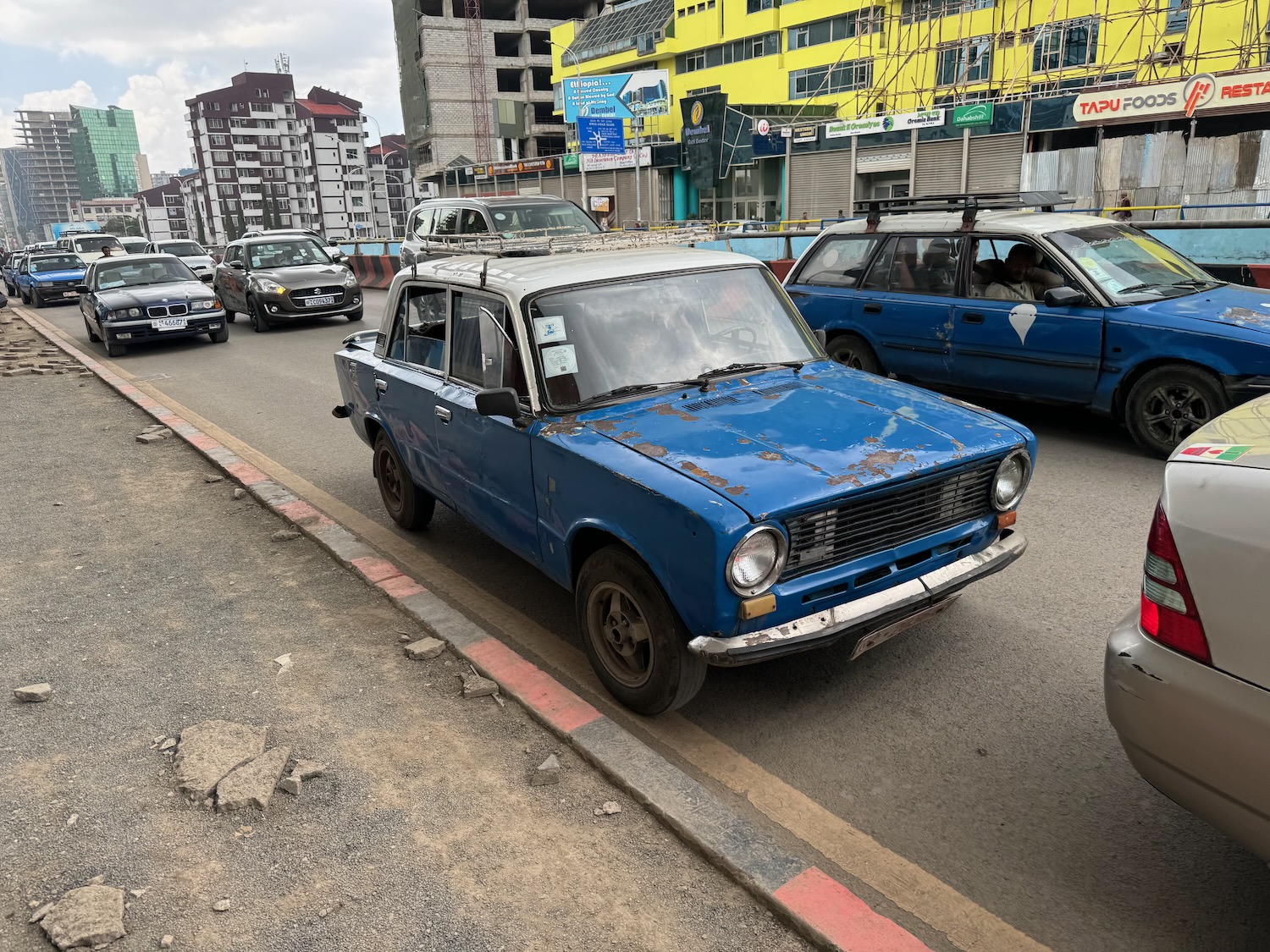
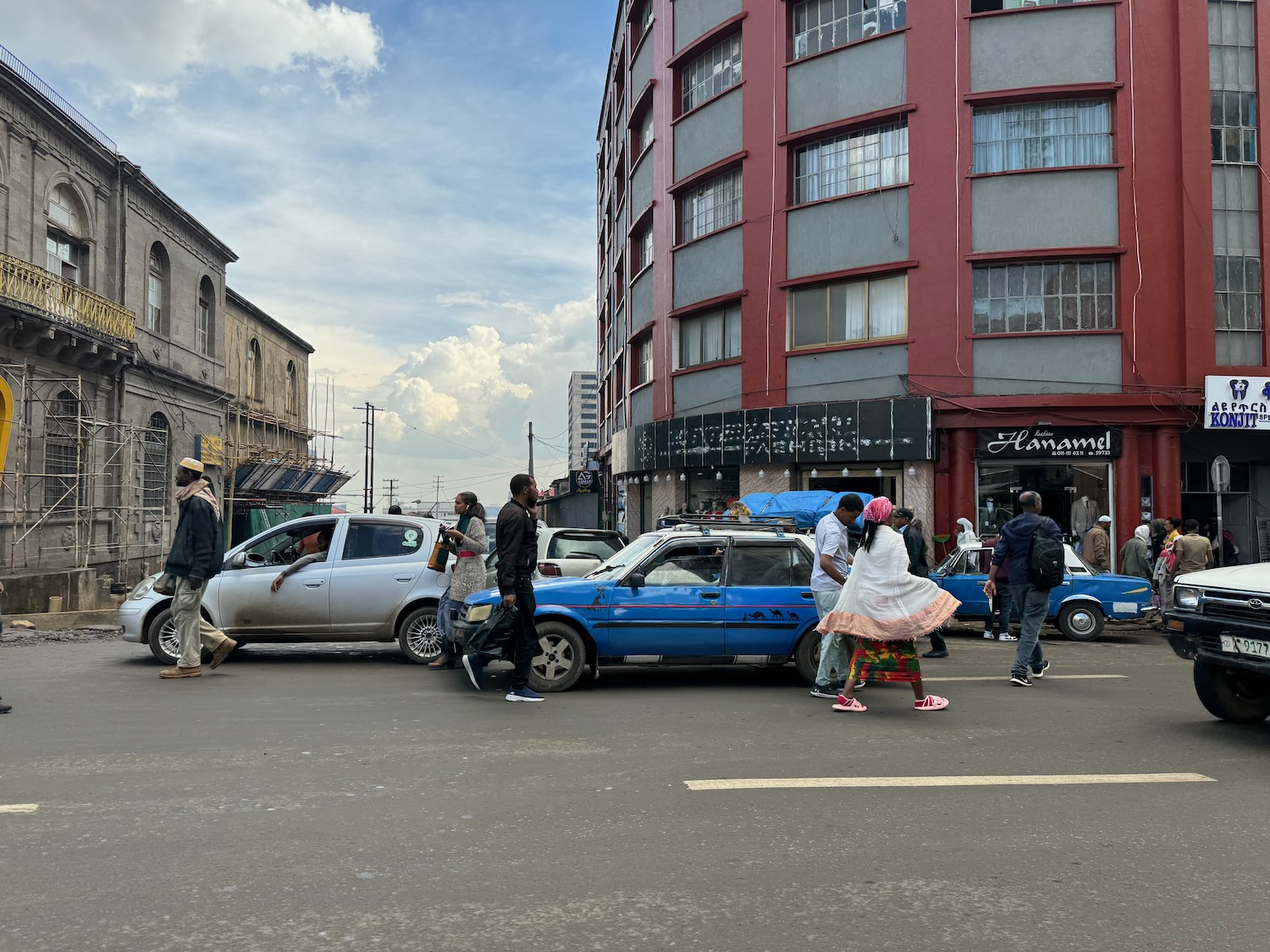
There are plenty of modern cars in Addis Ababa, but it is the boxy blue Soviet-era sedans that quietly tell the city’s political history.
The Ladas Of Addis Ababa
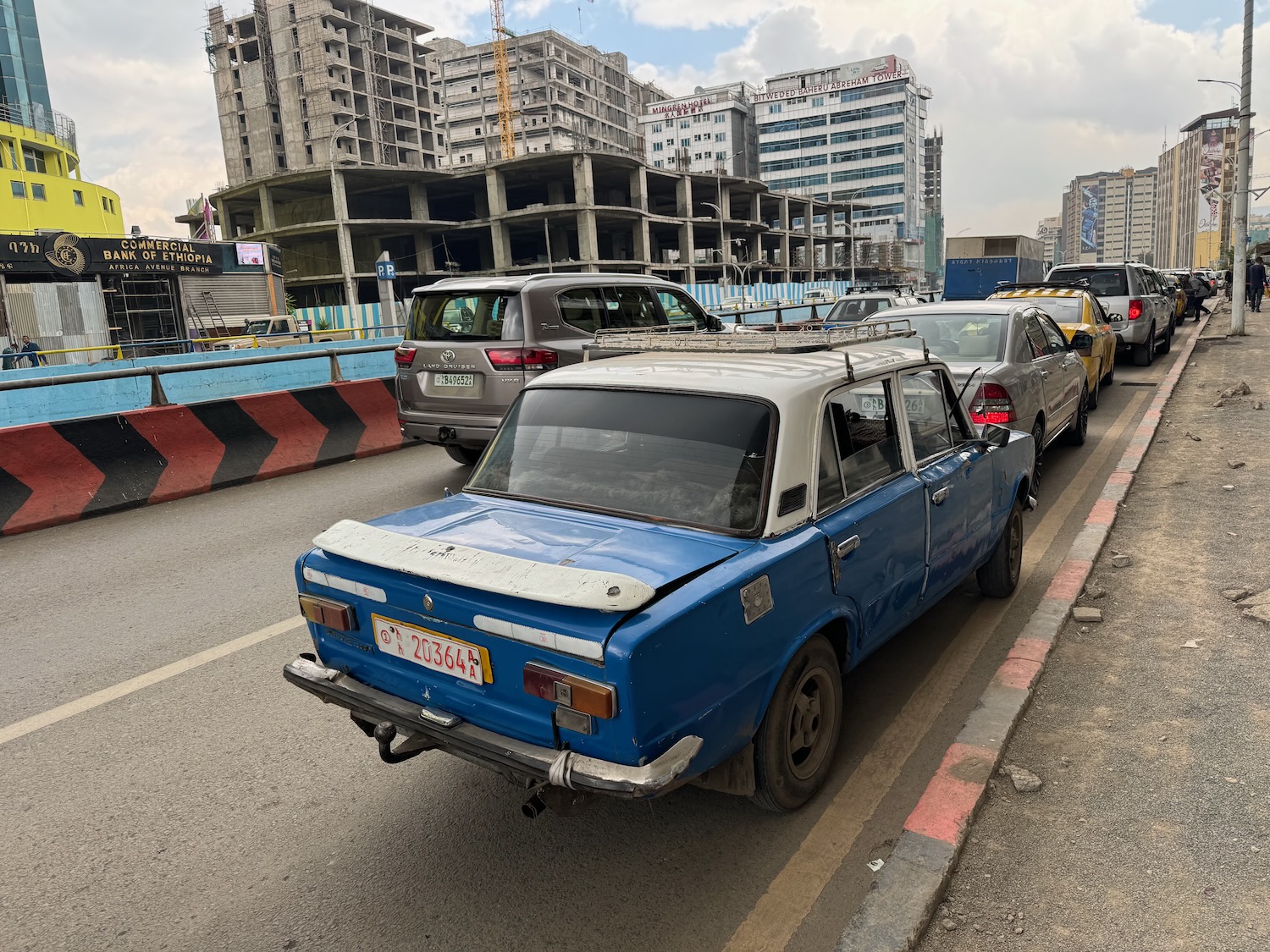
Spend any amount of time in Addis Ababa and you will notice them everywhere: aging Ladas still puttering along the city’s roads, often dented, sometimes smoking, but stubbornly alive. In a city now filled with Toyotas, Hyundais, and Chinese-built vehicles, the continued presence of these Soviet-era cars feels almost anachronistic. Yet their survival is no accident.
Lada’s roots in Ethiopia trace back to the Cold War and the Derg regime, which ruled the country from 1974 to 1991. After Emperor Haile Selassie was overthrown, Ethiopia aligned itself with the Soviet Union, both ideologically and economically. As Soviet support flowed in, so did Soviet machinery, weapons, and vehicles. Ladas became government cars, military transport, and official vehicles for party officials during the period of the Red Terror.
As I explored the Red Terror Martyrs Memorial Museum, it struck me how deeply embedded the Soviet relationship was in everyday life. The Ladas still roaming Addis today are not just old cars; they are physical remnants of that era, artifacts of a time when Ethiopia’s fate was closely tied to Moscow.
There are also practical reasons they endured. Ladas were simple, rugged, and easy to repair. Ethiopian mechanics learned to keep them running with minimal tools and improvised parts. Long after Soviet support vanished, the cars remained serviceable in a country where durability mattered more than comfort or efficiency.
Today, many of these vehicles survive as blue taxis. They are no longer symbols of ideology, but of endurance. Addis Ababa has changed dramatically, yet these cars continue to roll on, quietly bridging past and present…I enjoyed seeing them everywhere.
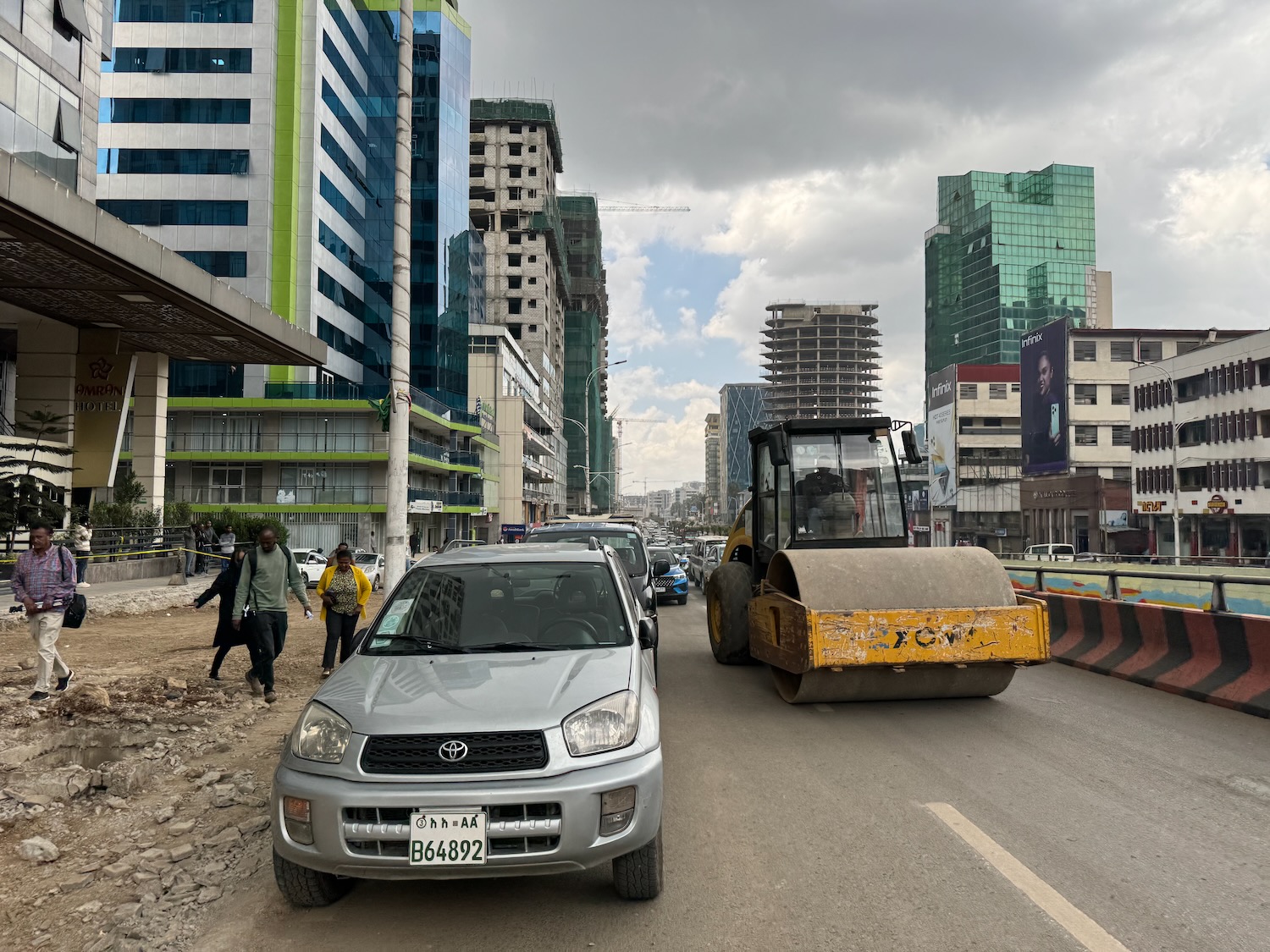
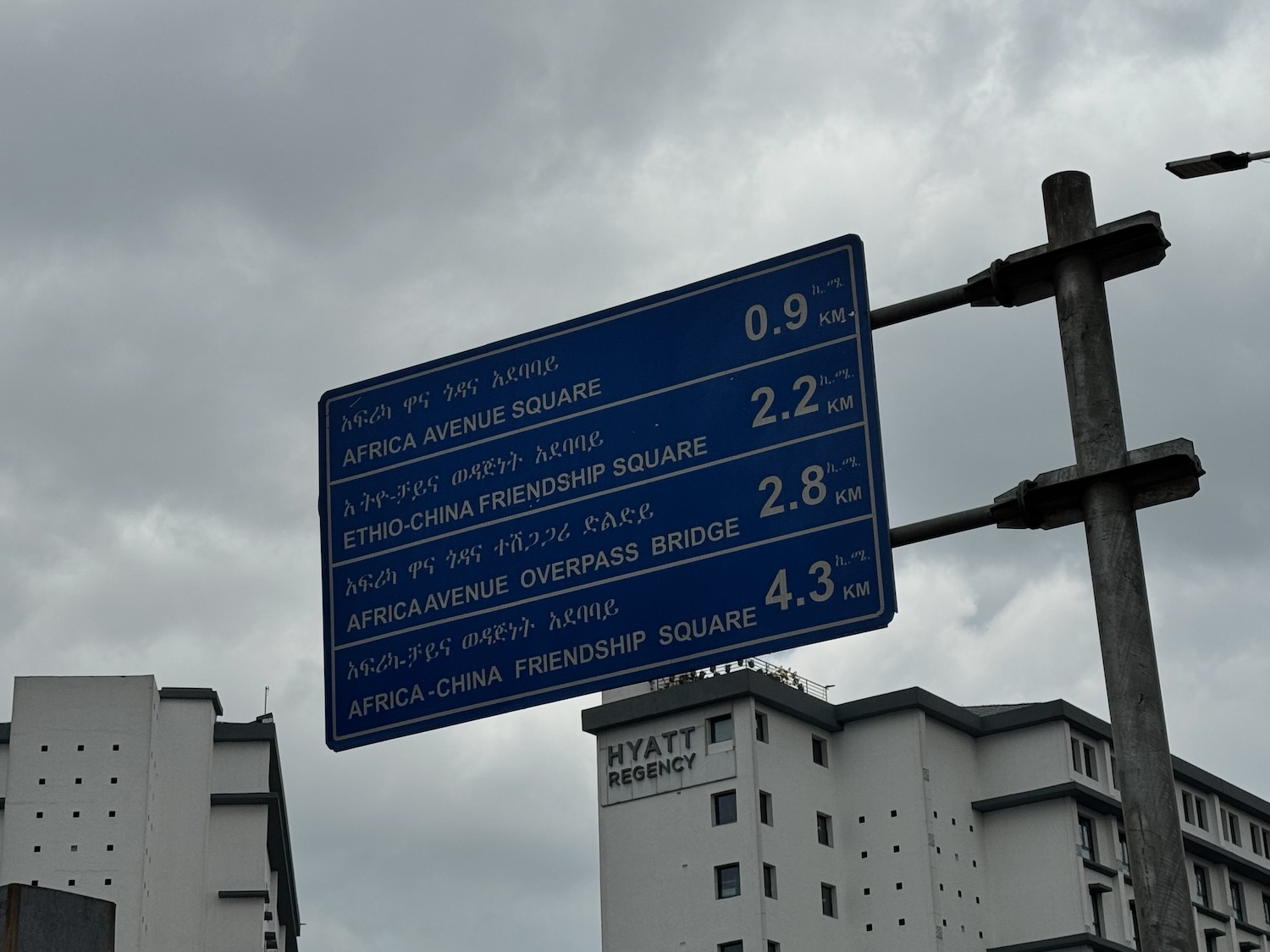
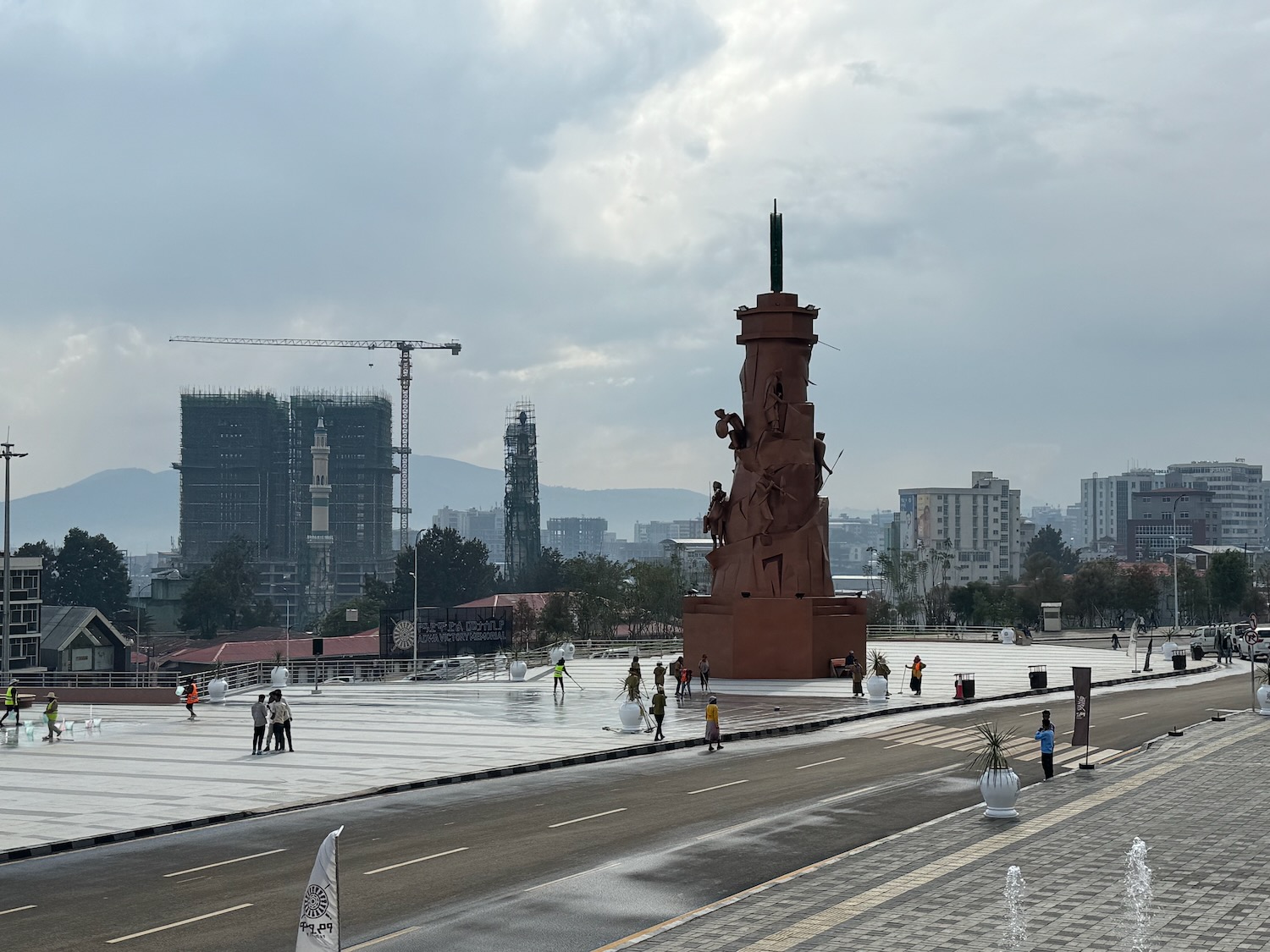
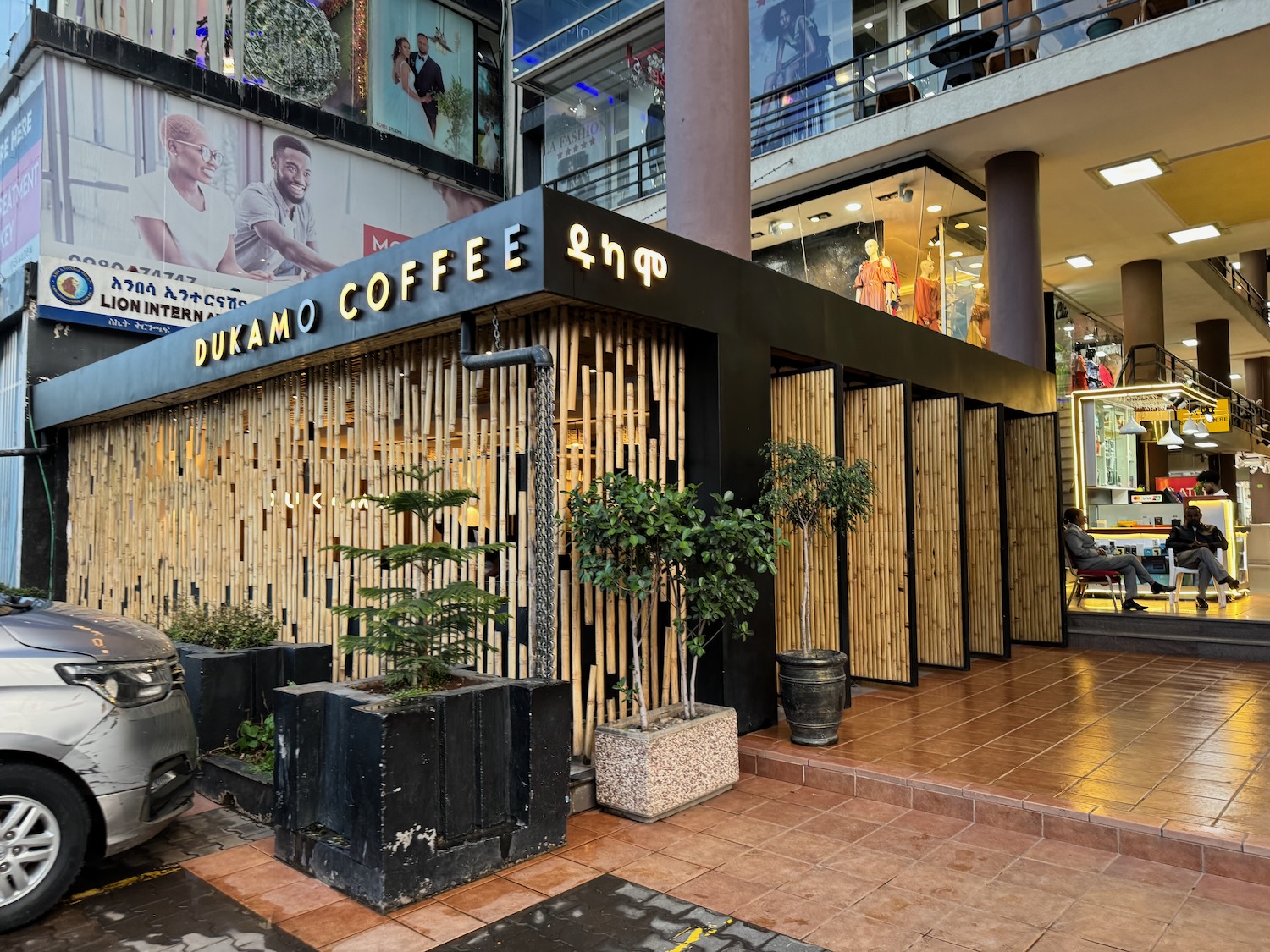
Here are some pictures from my time in Addis:



CONCLUSION
The Ladas of Addis Ababa are historical markers…reminders of a turbulent political era and of a city that has learned to adapt rather than discard. In a nation shaped by revolution, repression, and resilience, it feels fitting that these stubborn machines refuse to disappear.






Technically, those Ladas are Italian Fiat 124 from the mid 1960s, built under license until the mid 2010s..
The photos remind me of Cuba. The distinct Lada unites two countries in history. Built to take a beating and easy to repair.
Probably less politics and more poverty, but, point taken. I mean, I, too, get a little excited to see older cars, generally; like, find me a Hindustan Ambassador, and I’m gonna look in aww. Find me a working Packard, and I’m gonna follow it to find out who’s driving, how they still have one, and to shake their hands.
I was always under the impression that ladas were horribly unreliable. There you go!
Wheel of fortune in the late 80s in Australia used to give away ladas as the grand prize?! So strange.
They’re anything but unreliable, they had been designed to withstand extreme weather conditions and be easy to fix. Probably not suitable for the modern driver that doesn’t even know how to check the oil level though.