
Royal Caribbean’s new credit card could be a model for airline alliances. It’s a parent company finally leveraging its own brands the way alliances have not, yet.
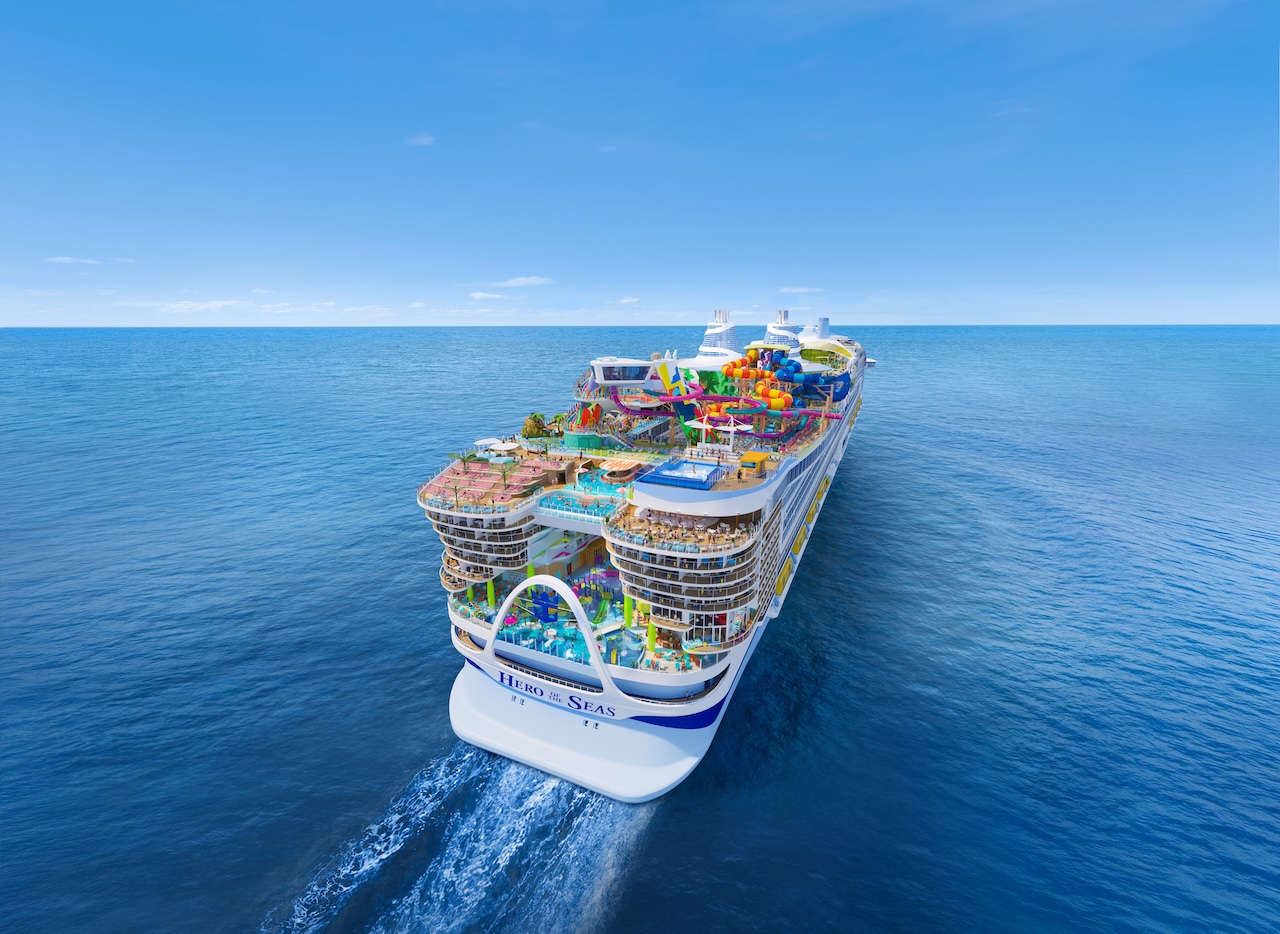
What Royal Caribbean Actually Launched
Royal Caribbean Group just rolled out a single credit card that works across Royal Caribbean International, Celebrity Cruises, and Silversea Cruises. On the surface, it looks like a breakthrough in travel loyalty. In reality, it’s something much simpler, and much more important. This isn’t a cross-industry innovation. It’s a parent company finally acting like one.
It has all of the normal hallmarks:
- Between 2x – 4x points on groceries, gas, and EV charging
- Priority luggage handling
- Priority suite boarding
- $120 TSA Precheck credit or global entry credit every four years
- 4x points on purchases of Royal Caribbean, Celebrity Cruises, and Silversea
- $99 annual fee
The Royal Caribbean ONE and Royal ONE Plus cards, launching in May 2026 with Bank of America, unify earning and redemption across three distinct cruise brands and their associated market segments. Mass market, premium, and luxury all sit under one umbrella, and now, one loyalty mechanism. That’s clean. That’s efficient. And frankly, it should have happened years ago. But the takeaway here isn’t that cruising leapfrogged airlines. It’s that this was only possible because of how Royal Caribbean is structured but it could also be a model.
Why the Airline Comparison Falls Apart
There’s been a tendency to frame this as something airlines “failed” to do. That comparison doesn’t hold up. Airlines don’t operate like this. Oneworld, Star Alliance, and SkyTeam are not parent companies. They are partnerships. Loose ones, at that. No alliance owns its members, controls their balance sheets, or dictates how loyalty economics are shared.
Alliances offer shared lounge space, and oneworld aims to offer full alliance-wide upgrades, and perhaps even its own separate loyalty currency. In fact, Boarding Area’s own Gilbert Ott (God Save The Points) is now head of loyalty for oneworld.
Asking airlines to replicate this is like asking competitors to merge their most profitable revenue stream without actually merging their businesses is never going to happen. But even to a lesser effect, it seems unlikely that American or Alaska would trade a direct financial relationship with travelers in favor of a share of a broader, global revenue source.
Royal’s Cross-Brand Card Is Long Overdue
Travelers move across brands for different needs, different segments of life, and different trips. A long weekend in the sun is perfect for Royal Caribbean with fun and waterslides, and high divers, but for something a little bit longer, a quieter premium brand like Celebrity might be a better fit. For once-in-a-lifetime journeys, Silversea is the ultimate progression for these clients. Loyalty to the brand instead of choosing Seabourn for those high end trips, or Princess for premium ones makes sense and Royal should be applauded for promoting it.
Additionally, while airlines are just loyalty programs with wings, cruise lines still primarily make money from selling travel and their loyalty programs have remained primarily as airline loyalty programs were 40 years ago. But for shareholders and for travelers, perhaps that should change.
Where Airlines Could Actually Learn
Airline credit card partnerships are built on exclusivity. Delta is tied to American Express. United and Southwest are tied to Chase. These agreements are worth billions, and they depend on the idea that each airline owns its relationship with the customer.
If there is a lesson here, it’s that alliances should be thinking more seriously about a shared loyalty currency. Not a single credit card, but a unified accrual and redemption system that works seamlessly across member airlines. Outside of North America, loyalty programs are far less lucrative though still incredibly important. Creating a cross-brand credit card is exactly what American Express, Citi, Chase, and Capital One have all done to significant success. Many airlines are happy to participate in those programs.
Virgin Atlantic offers a credit card through Syncrony Bank, but also sells miles to American Express and Chase, for example, despite being 49% owned by Delta Air Lines who has an exclusive relationship with AMEX. IAG (British Airways, Iberia, Aer Lingus) offers its cards through Chase, but partners with nearly everyone. It seems to work for them, wouldn’t an alliance credit card work the same way? Certainly some choose another American Express product over Delta’s co-brand version for the versatility even if they are loyal to Delta.
The Real Insight
Right now, the airline ecosystem forces travelers to juggle multiple programs, multiple cards, and multiple earning structures just to stay optimized. It works for airlines because it drives loyalty through complexity. It doesn’t work for customers, especially as younger travelers become less interested in locking themselves into a single brand.
What Royal Caribbean did here wasn’t bold in concept. It was inevitable in structure. They own the brands. They control the customer journey. They capture the economics regardless of which brand you choose. The only question was when they would decide to simplify the experience and now they have.
Conclusion
This isn’t a case of cruising out-innovating airlines. It’s a case of ownership enabling simplicity. Royal Caribbean Group unified loyalty across brands it already controls, while airlines remain constrained by alliances that were never designed to share economics at that level. If alliances ever move in this direction, it may not work the same way. It could look like a shared currency or not. Until then, this is less a revolution, and more a reminder of what becomes possible when one company owns the entire ecosystem but it could also demonstrate myriad choices travelers make and model a new approach for alliances.
What do you think?






Better than whatever poop cruise they got goin’ on over at Carnival… not really a cruise-person, but Celebrity was decent in Alaska.
Launching the cruise industry’s first tri-branded credit cards… Well done Royal Caribbean Group!
And if you already have the existing Royal Caribbean credit card, you won’t be left behind… Royal Caribbean Group says current cardholders will be automatically converted to the new Royal ONE card. From there, they’ll have the option to upgrade to the Royal ONE Plus version if they want the additional perks.
Let’s add that, as of April 5, 2026, Royal Caribbean Group [Royal Caribbean International, Celebrity Cruises, Silversea Cruises] has 55 cruise ships in is fleet. It is the world’s second-largest cruise line operator, after Carnival Corporation & plc.