
I’ve written about my hotel in Hawassa and the great coffee in town, but here I want to share some more photos of my time in Hawassa.
Hawassa, Ethiopia: A Photo Essay
Hawassa, once a quiet lakeside settlement on Lake Hawassa, began to transform under Haile Selassie’s development plans in the late 1950s. The emperor ordered construction of a seasonal palace by the lake in 1958, which drew newcomers and gradually turned the area into an important urban center. Over time, Hawassa became a regional hub with growing industries, markets, and a diverse community that reflects its role as a gateway to southern Ethiopia. Today, it serves as the capital of the Sidama Region and remains a city defined by its lake, its culture, and its rapid growth.
You will often see the city’s name spelled as both Hawassa and Awassa. The difference stems from transliteration. “Awassa” reflects the original Amharic pronunciation (አዋሳ), while “Hawassa” represents a more standardized and recently adopted spelling. Both remain common, and you will still encounter the older spelling in older texts and on local signage (plus on Ethiopian Airlines).
Religion plays a central role in Ethiopian identity. In the north, ancient Orthodox Christian traditions dominate, rooted in a history that stretches back to the fourth century and expressed in rock-hewn churches, fasting cycles, and a liturgical life that shapes everyday routines. In other parts of the country, Islam has long been established through trade routes from the Arabian Peninsula, while Protestant movements have grown rapidly in the last century and now represent a strong force in culture and politics. Faith is not a private matter in Ethiopia. It is visible in public, audible in worship, and woven into family, food, and community.
Hawassa reflects this national mosaic in its own way. As a newer, rapidly growing city, the religious breakdown here is more mixed than in older northern cities. Orthodox Christianity remains significant, but Protestant denominations have become the plurality in Sidama, with vibrant churches that fill each Sunday and spill onto the streets during large gatherings (as you’ll hear about in the next segment). Islam is also practiced by a notable minority. The result is a city where multiple traditions live side by side, and where religion remains a defining thread in the social fabric.
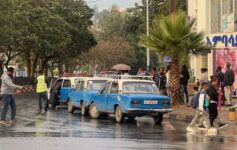
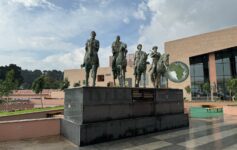
Here are some pictures from the city:


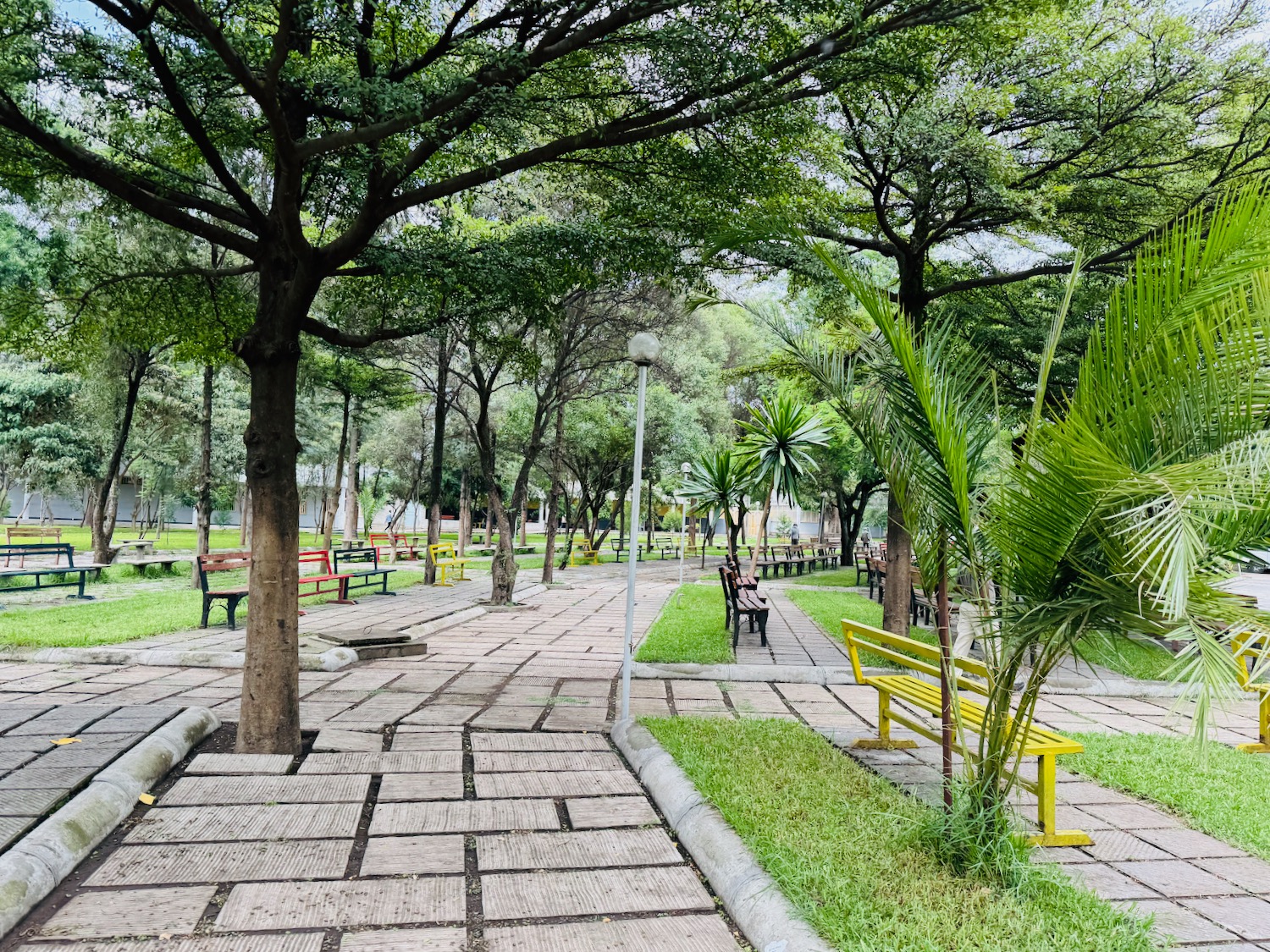
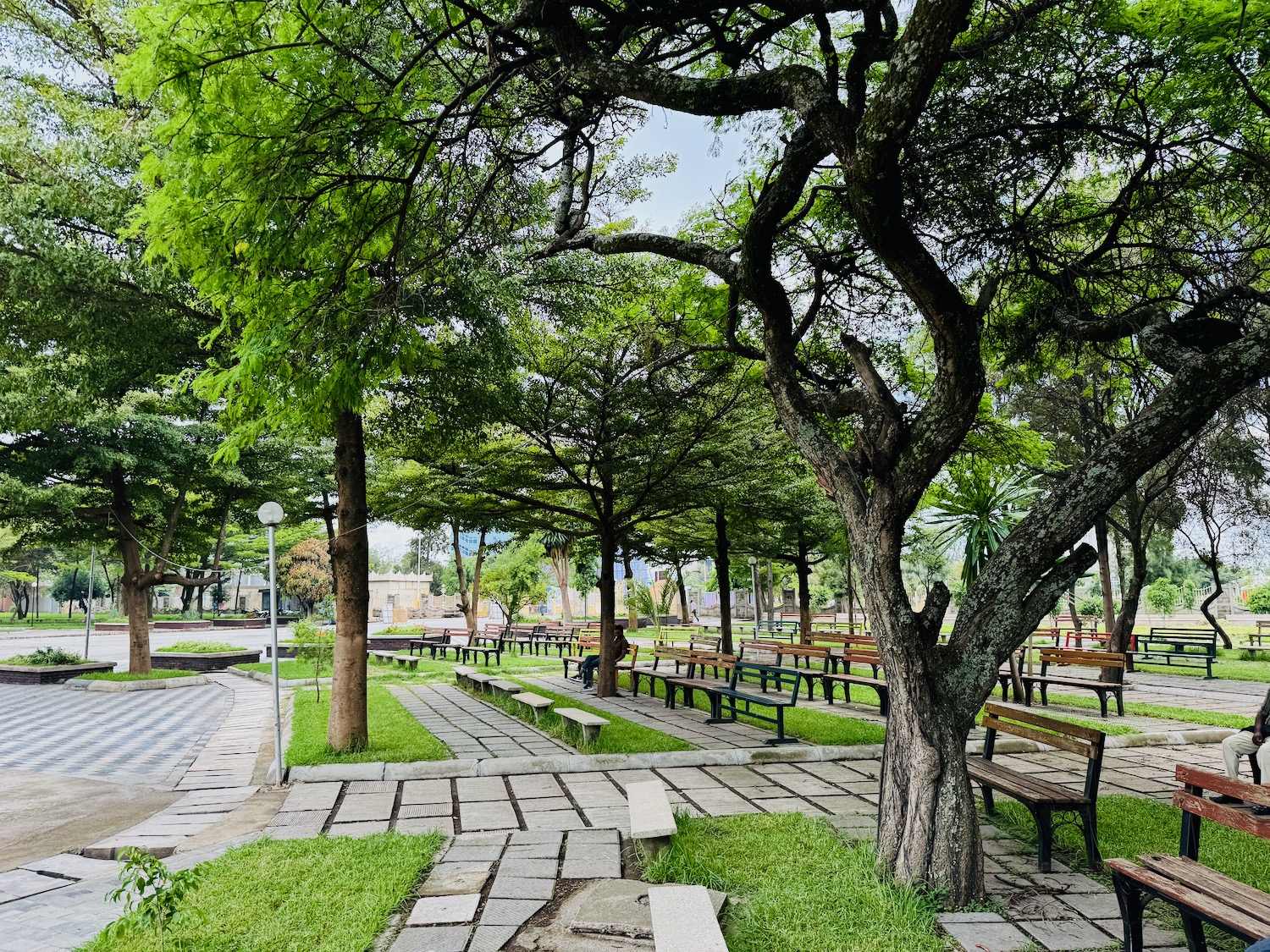

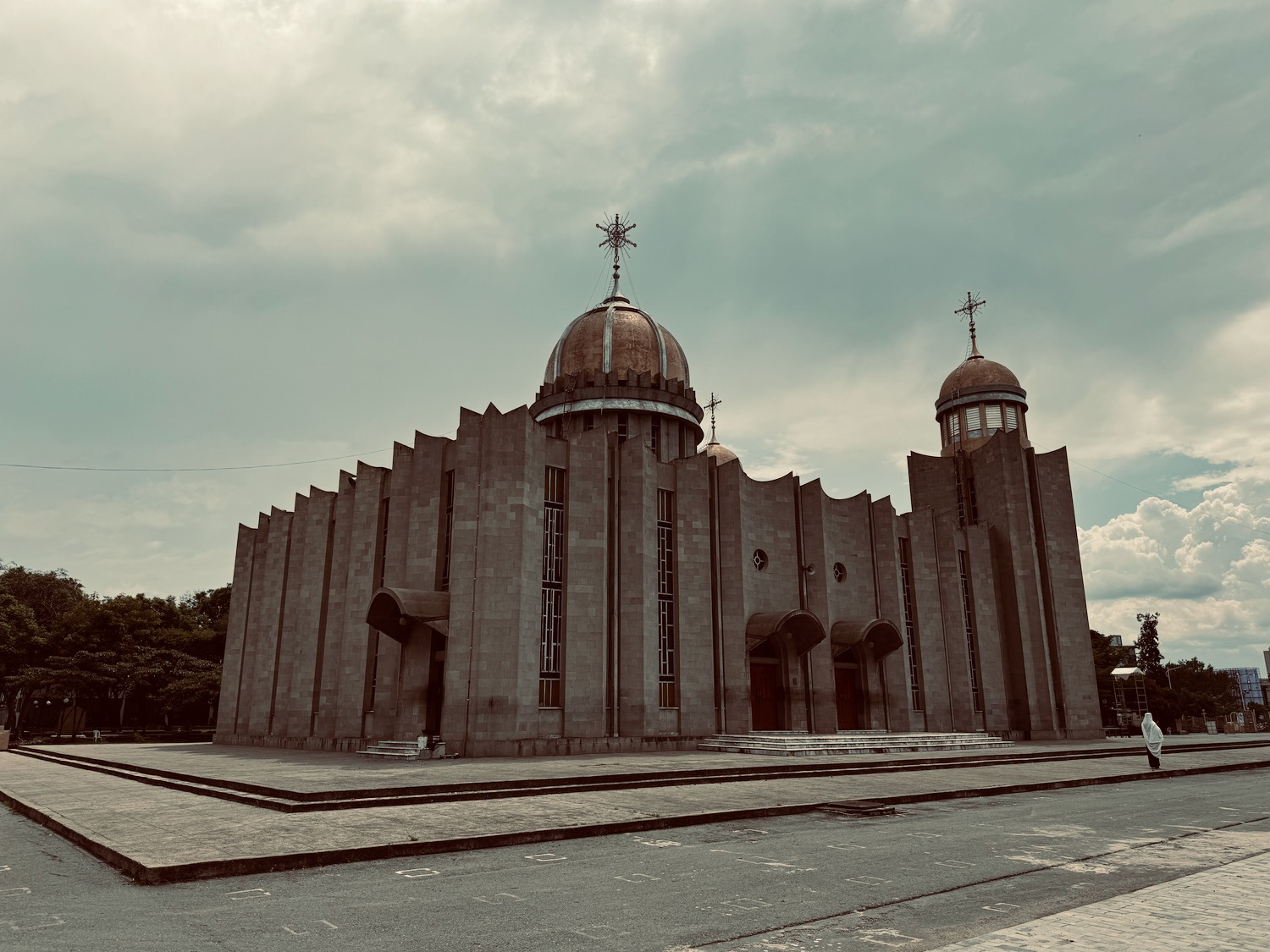


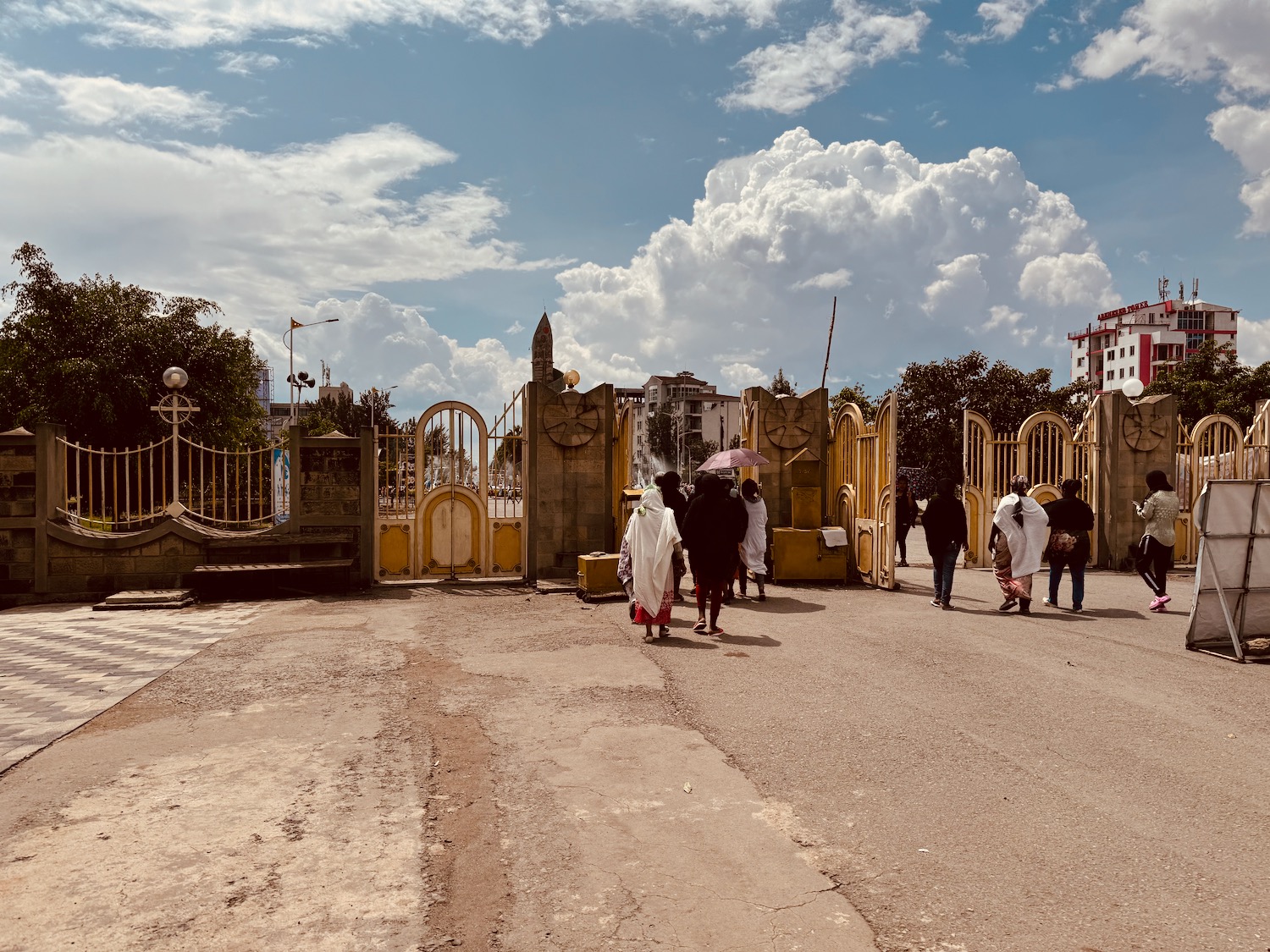
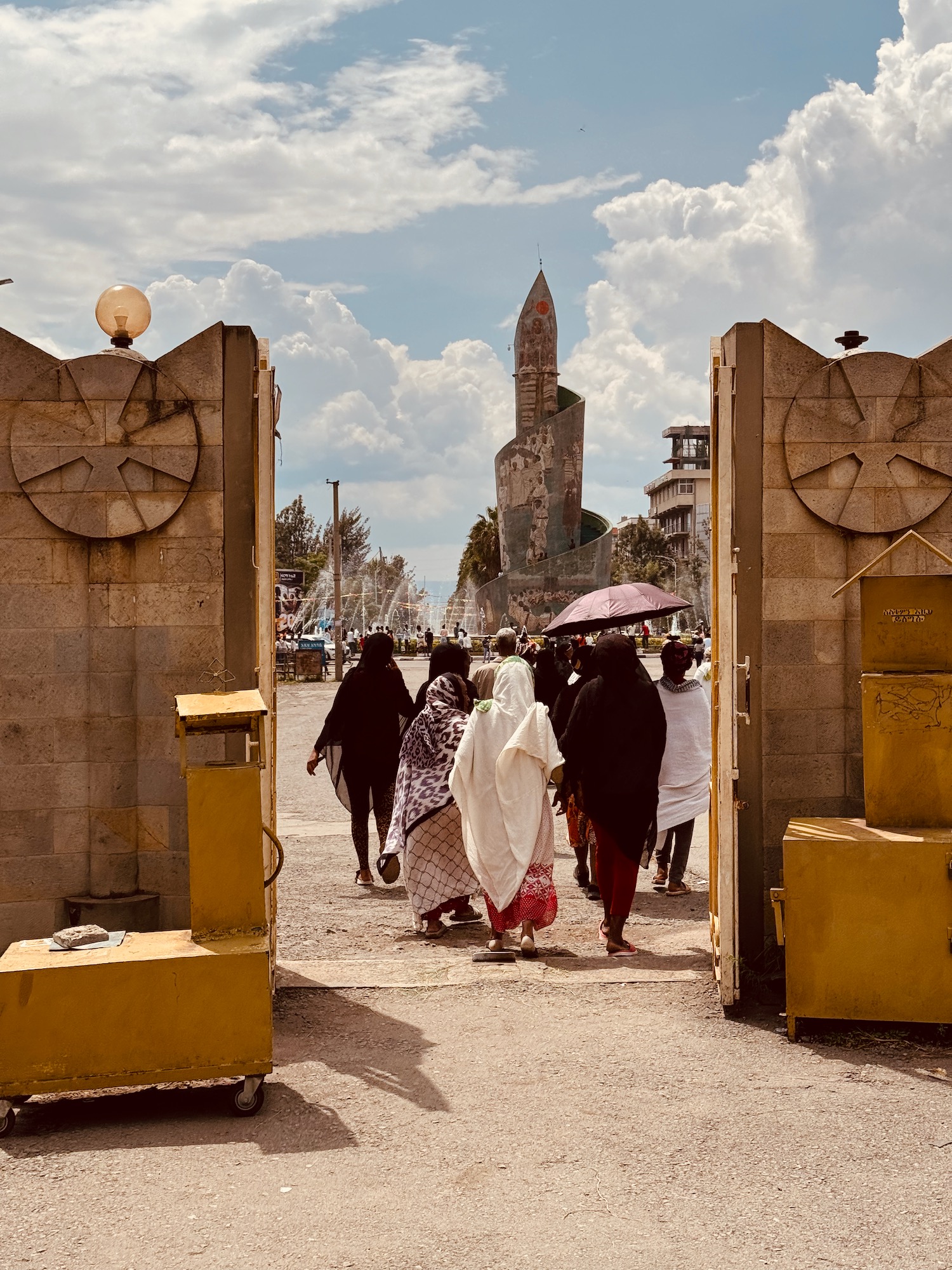
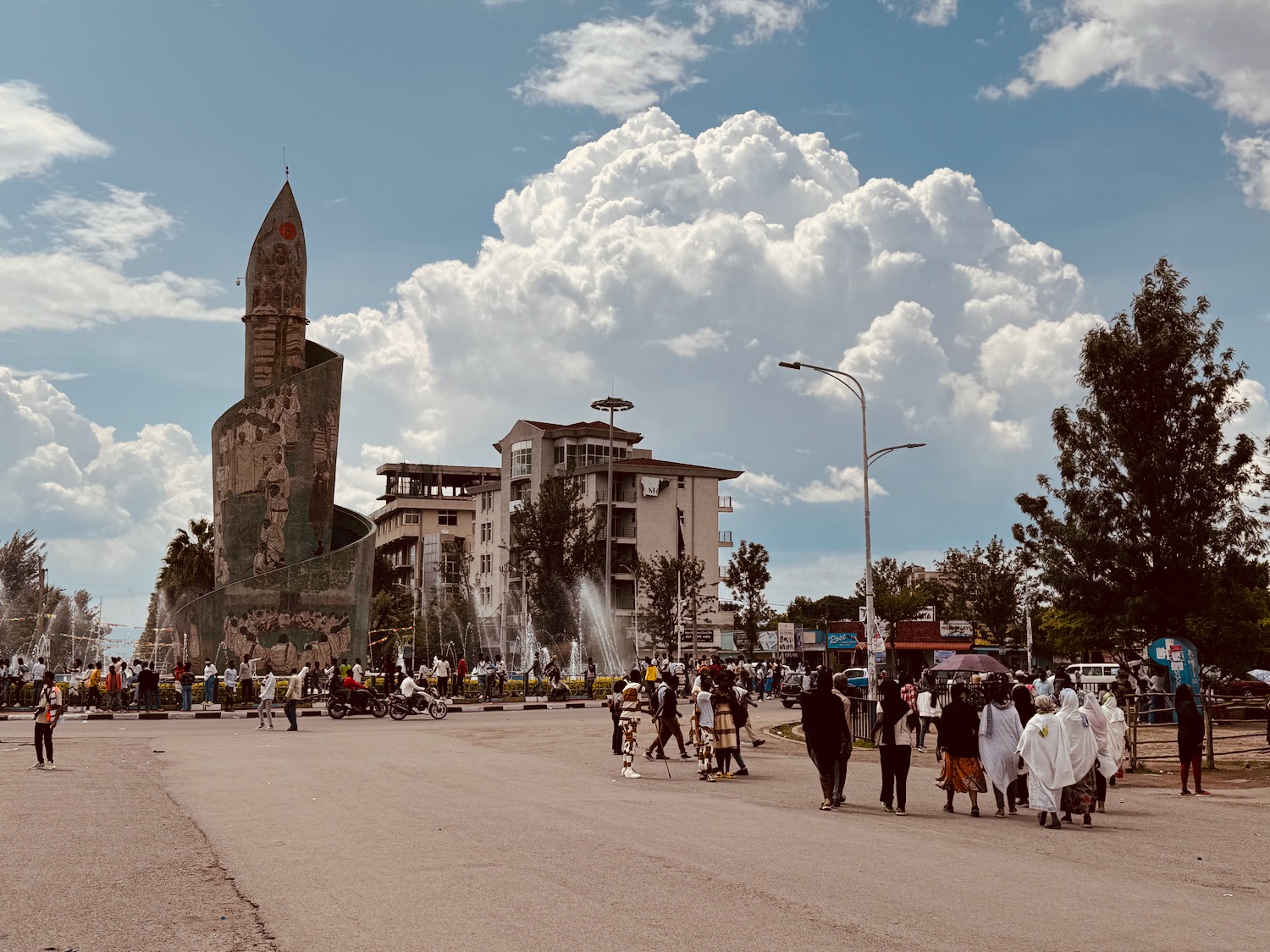


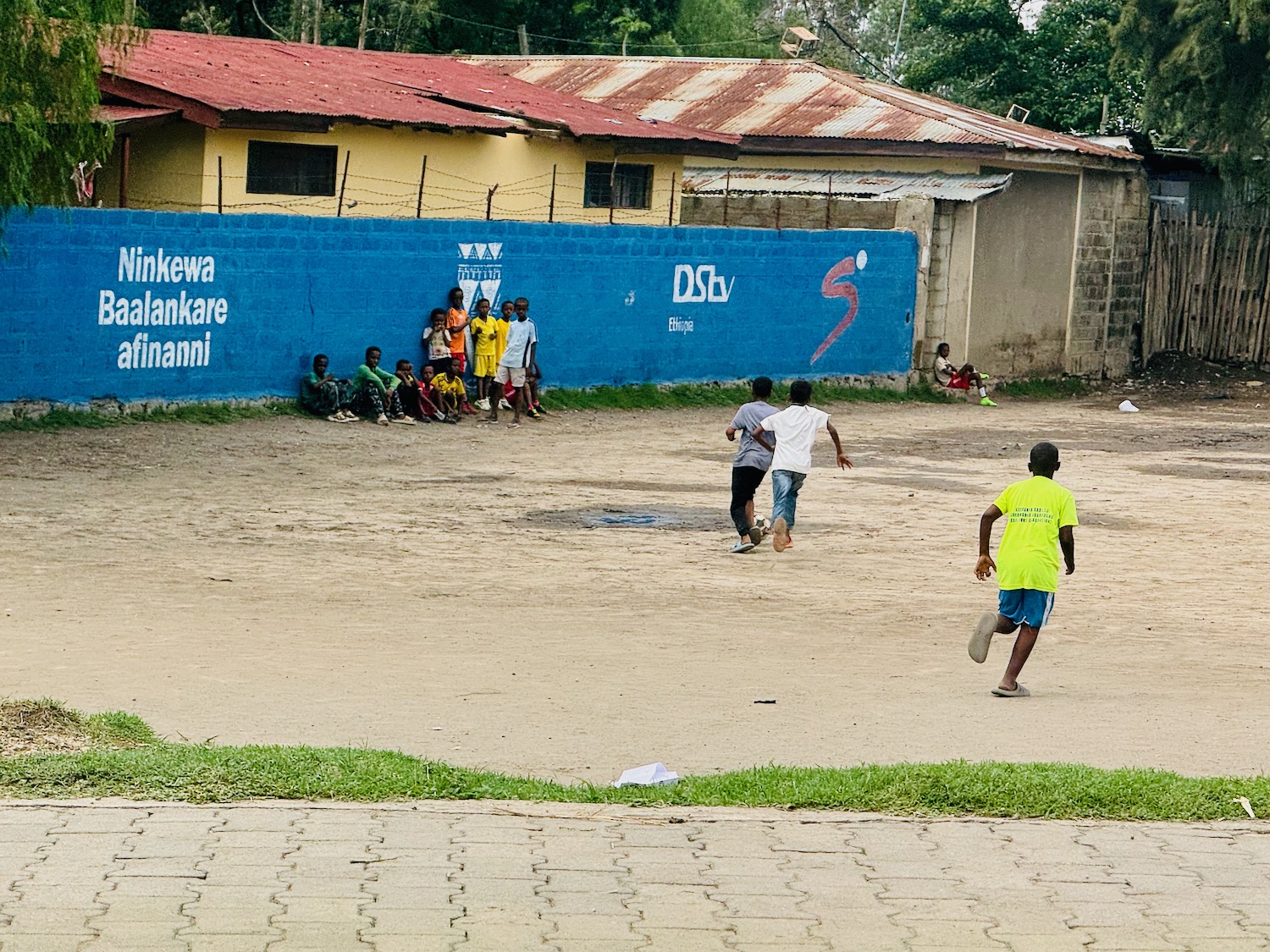


Do be careful when it rains…the streets flood quickly.


But the sun came out again…

Finally, you must try the spicy goat tibs…it was the best meal of the trip.


Hawassa was a fascinating place that I hope to return to for both ministry and tourism. Next, I’ll say more about the ministry I did here, then we will begin the trip home with a stop in Addis Ababa.



Your photo essays are some of my fav content. So many travel bloggers just drone about plane seats & (largely) irrelevant minutia and never about the destination.
PS – since you’re in London alot: Queen of Sheba in Kentish Town is a really excellent Ethiopian place. Doro Goulash 11/10. Same for the tibs.
That’s an excellent observation, Rob. I agree. Matt is top-notch, specifically, because he actually embraces the destination and the journey. Well said.
And good recommendation for Ethiopian food in London. If you’re ever in D.C., Das in Georgetown is excellent, too. Injera (the spongy bread) isn’t for everyone, but, I’ve enjoyd it.
I love it. Thank you for continuing to explore and share with the world.
Like you, I was surprised how undeveloped Mombasa was. Hawassa looks to be way cleaner and more developed than Mombasa. What place on Earth would you compare it to?
Although it flooded during the rain, it was clean and more developed, reminding me of some neighborhoods in KL or Bangkok.
Out of curiosity, what denomination of Protestant are you (if you feel comfortable sharing)? I’ve found your posts involving Christianity and your ministry trips very moving/fascinating over the years
I have attended the same non-denominational church in LA for my entire life, but would increasingly consider myself Anglican.
We Ethiopian are sociable people. And we have our own customs, believe,and culture for that we are believe by GOD ” this world created by “እግዚአብሔር ” which means “GOD”.
So based on that we are ancient civilized people doesn’t colonized by othere people normes and thinking. For this we big respect
and love for our”GOD”
So we said who came in Ethiopia any person he/she got their internal peace b/c country have with holy spirit.