
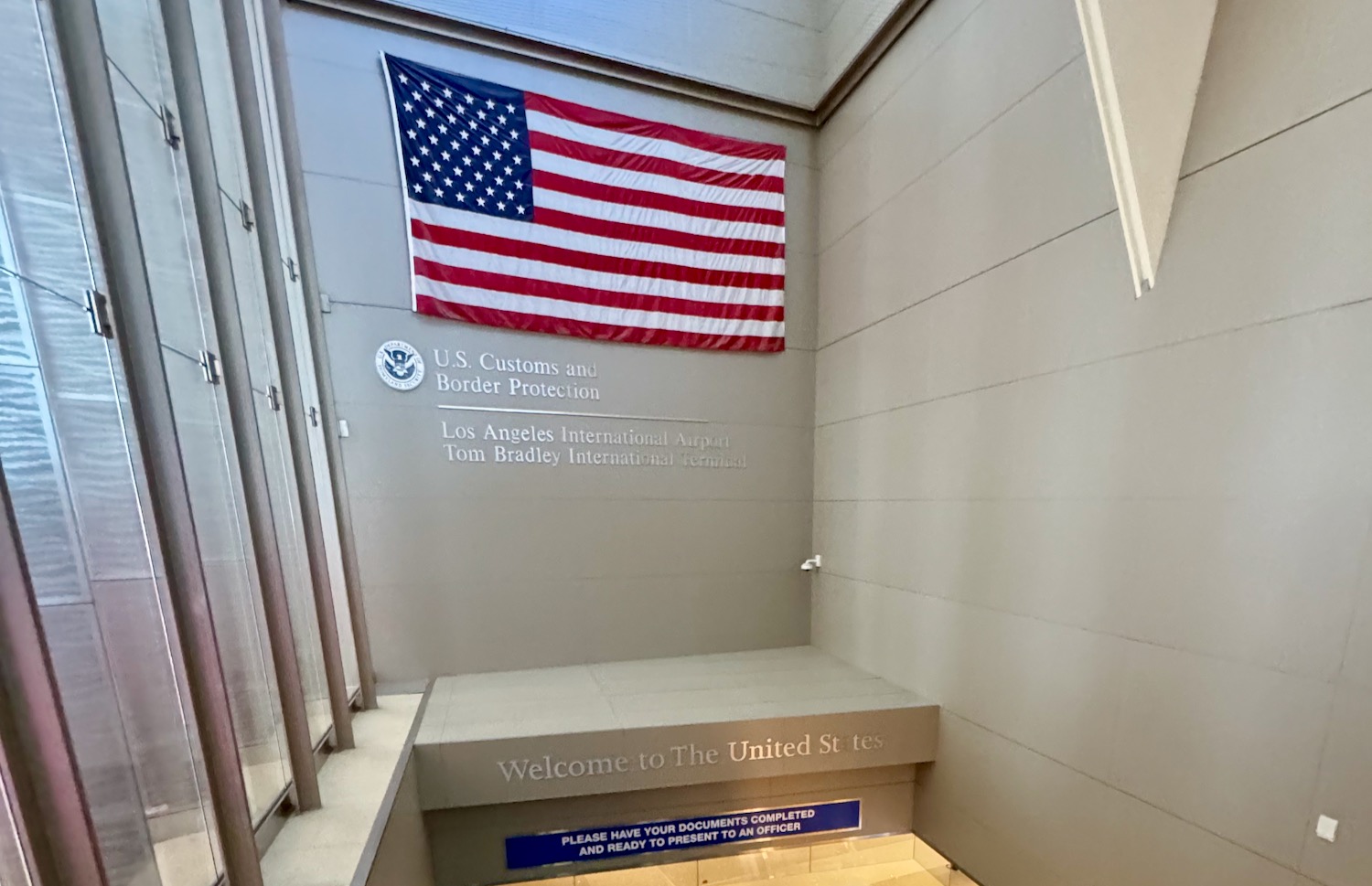
The United States is considering new requirements that would force millions of foreign visitors to hand over years of personal online activity before being allowed to enter the country. It is part of a broader shift toward heightened screening that makes America feel far less welcoming to travelers.
US May Require Five Years Of Social Media Details From Tourists Entering The Country
Under a proposal by U.S. Customs and Border Protection, travelers entering under the visa waiver program would need to provide social media information covering the last five years. That could include usernames across multiple platforms, linked email addresses, and phone numbers, though we do not know the extent of the information that will be requested. CBP claims this is to verify identity and assess risk, but the scope of what will actually be reviewed remains vague.
In order to comply with the January 2025 Executive Order 14161 (Protecting the United States From Foreign Terrorists and Other National Security and Public Safety Threats), CBP is adding social media as a mandatory data element for an ESTA application. The data element will require ESTA applicants to provide their social media from the last 5 years.
Critically, the government has not explained whether it would collect only public handles or dive deeper into private data such as deleted content or direct messages. There is also no clarity on how this information would be stored, shared, or secured. The proposal is at the regulatory stage, which means final details could tighten or loosen, but the intent is unmistakable: a major expansion of digital surveillance for tourists.
The public now has 60 days to comment before the new rule could theoretically take effect.
A Warmer Welcome Would Be Better
I find this deeply discouraging as someone who travels constantly. Travel is supposed to foster connection between people and cultures, not suspicion. Yet we are watching the United States become a less and less inviting place for visitors. First came higher national park fees for foreigners. Then tougher rules for visas and arrivals from countries that have long been friendly to the USA. Now a plan to surveil what you say online just to spend money here as a tourist or work for American companies.
I understand border security. I understand the desire to catch real threats. But this kind of policy casts everyone as a potential criminal. A family coming to Disneyland from the UK should not have to worry that a joke on social media from years ago may surface during a border inspection. It sends exactly the wrong message about who we are and who we want to welcome.
Of course, that’s my political take, and I expect others will (respectfully) disagree. But I’m against it because I don’t want to go to Canada or Japan or Germany and face similar scrutiny. And frankly, if the USA starts such onerous requirements for tourists from visa waiver nations to visit this country, then full reciprocity would be understandable.
It has been pointed out that the U.S. CBP can demand your electronic devices upon entry to the USA. There are still methods to probe those who questionably present at a US border without making everyone guilty until proven innocent.
I sense such animus toward foreigners these days by the current administration and it makes no sense to me: tourism is an important part of the American economy and this idea of pushing autarky seems absolutely foolish in a global world of comparative advantage and exploding centers of wealth from Mumbai to Madrid and from Tokyo to Toronto.
The U.S. is a beautiful nation with warm and kind people. Historically, part of “making the world safer and stronger for democracy” meant showcasing the American system and way of life: our open society and broad freedoms. Sadly, that appears no longer to be the case…
CONCLUSION
The U.S. government can and should screen for legitimate risks, but demanding years of social media history from tourists crosses a line. If implemented poorly, it will further tarnish the image of America as a place where people are free to speak their mind without government scrutiny. The world is watching. A nation that prides itself on liberty should be very careful before tying its welcome mat to a database of online posts.






Ok. ‘Make me.’
Oh my God. When they find out my preferences on PornHub, I’m going straight to Alligator Alcatraz.