
Boeing told the FAA its 767 wing inspections start too late. The FAA said no, blamed the wrong company, and assumed the repairs were done right.
What The Directive Covers
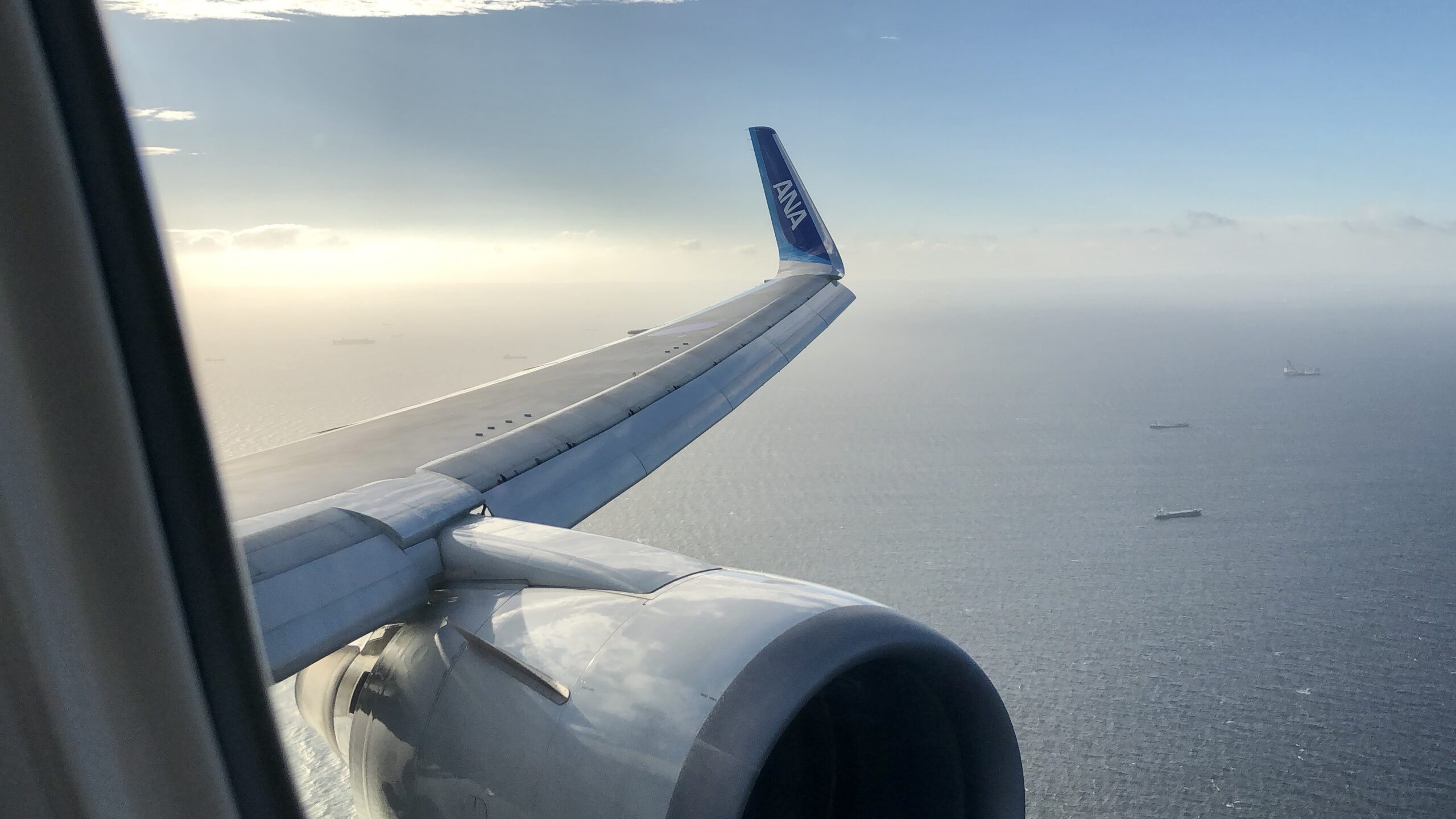
The FAA published a final airworthiness directive on August 13 covering Boeing 767-300 and 767-300F aircraft fitted with blended winglets. The document is AD 2026-16-06, it takes effect September 17, and it replaces a directive the agency issued back in 2018. The affected fleet is 195 airplanes of US registry, with the largest US passenger operators United Airlines, Delta Air Lines.
The problem is fatigue cracking in the lower outboard wing skin, at the inboard fastener of stringer L-9.5 and along stringer L-6.5, on aircraft modified with the Aviation Partners winglet kit. The FAA described the potential risk in its own terms: the condition, if not addressed, “could result in failure and subsequent separation of the wing and winglet and consequent reduced controllability of the airplane.” Sounds serious to me, but it’s smaller than I presumed it would be. The recurring inspection runs six work-hours at $85 an hour, or $510 per cycle per airplane, which the FAA totals at $99,450 across the US fleet. This is a less than $100,000 problem but it sounds incredibly concerning.
Boeing Asked For A Shorter Clock
Seven parties commented on the proposal. United Airlines and two others supported it without change. Aviation Partners, Delta Air Lines and FedEx asked for clarifications and typo fixes. A vendor called Obelisk Tech Systems boldly demanded the fleet be grounded within thirty days while requesting a sole-source federal contract for its own drone inspection technology, which the FAA declined.
Then there is Boeing.
The airframer asked the FAA to make the rule stricter than proposed. Boeing wanted the new Group 3 inspections completed within 3,000 flight cycles of the effective date, and its stated reason was pointed. In the FAA’s summary, “Boeing stated that the fleet finding showing additional inspection requirements were needed for Group 3 airplanes also showed the threshold to start the inspections was not adequate and should be reduced.”
Beleaguered Boeing can ill-afford any posture that isn’t absolutely the strcitest as it continues its recovery from the 737 MAX safety issues and strives to close out its 777-X series certifications. It felt that the point at which operators are told to start looking is too late. Manufacturers do not usually volunteer for tighter regulatory clocks on their own products but in times like these for Boeing it makes sense to be prudent. Warranty exposure, service-bulletin costs and customer relations all hurt Boeing to push this outcome but it’s far worse if something were to happen, even without an injury or fatality.
The Response Faults The Wrong Party
The FAA said no. Here is the full basis for the denial, quoted from the directive:
“The FAA has determined that the threshold and intervals identified in the APB service information for Group 3 airplanes is adequate for addressing the unsafe condition. APB has not provided the FAA with any new analysis that showed those thresholds and intervals need to be adjusted if the repairs were installed correctly.”
There are two problems with that statement. Boeing made the request, not Aviation Partners, so the agency rejected one company’s safety argument on the grounds that a different company failed to submit paperwork according to my research. It’s not clear who asked Aviation Partners to weigh in, and Aviation Partners had no reason to produce one, since its own service bulletin is the document under challenge.
The second problem is the conditional ending. The threshold is adequate “if the repairs were installed correctly.” The new inspection this directive adds looks specifically at the wing skin around the edges of previously installed repair doublers. Installing that doubler, from what I understand without being an engineer, was one of the three options the FAA gave operators back in 2018 to satisfy the earlier directive. The agency is now requiring operators to inspect the repair it previously approved, while declining to tighten the schedule on the theory that the repair was done properly. This leads one to ask: if the repair was only needed for aircraft that hadn’t performed in eight years ago, and the FAA already approved that fix, why is any directive needed now? And the one participant that should be at the forefront of fighting on such a basis is the party trying to expedite the inspections. It seems to me that either the repairs weren’t actually the solution, weren’t effective, or Boeing knows something the rest don’t.
The Same Pattern On The 787
The day before this directive published, the FAA proposed superseding a 2022 directive on 787 vertical fin tension bolts, covering 116 US-registered aircraft at $38,260 apiece, up to $4,4MM in total. The failure mode there is corrosion that could drop the structure below residual strength requirements and cause “the loss of the vertical fin, and result in loss of control of the airplane.” This reminds me of the many jackscrew cases on DC-9/MD-80 aircraft.
Why reopen it? Because, as the FAA says, corrosion found while operators were complying with the 2022 rule “in some cases, was more severe than expected.” And because the sealant options that the rule permitted “may not provide sufficient time to complete all bolt installations. This could damage the sealant during fastener installation, rendering the actions in that service information ineffective.”
That is the FAA stating that a method it authorized four years ago could have made the fix useless. It is a candid document, and the candor is to the agency’s credit even if it doesn’t completely own the issue. It also means the 787 – now responsible for flying the most US long-haul premium cabins – is on its second directive for the same corrosion because the first one was written too loosely. The comment period on that proposal closes September 28, and Boeing notes some costs may fall under warranty. That’s some bad news for Boeing, but generally speaking, is a drop in the bucket and very inexpensive when the cost of another PR nightmare comes into effect.
While it all appears to be grave in nature, it’s less severe than suggested. The greater concern, and it lines up with what I found earlier this month when a fresh airworthiness directive undercut Boeing’s own certification announcement within forty-eight hours, is that in some cases it seems the FAA isn’t fast enough for these repairs according the manufacturer.
Conclusion
This directive is about the -300 and the freighter, the workhorses hauling boxes and filling secondary passenger routes, and 195 of them is a modest number against a US fleet of several thousand jets. The wingtip separating from the wing would be terrifying in flight and that’s likely more of Boeing’s speed push, but this has happened before without significantly impacting flight operations. What deserves attention is a regulator that received a request to be stricter from the manufacturer, turned it down by citing the absence of analysis from a company that was never asked to provide any, and rested the decision on the presumption that a repair it is simultaneously ordering people to go inspect was installed correctly the first time. That’s a turn I didn’t expect, though whether for PR purposes or a true turnaround in safety culture at Boeing, it’s a welcome sign to see they are pushing for safety even at their financial detriment.
What do you think?




Huh, so the FAA covers for its own past approvals by… *checks notes* deflecting blame, while Boeing’s sudden urge to play safety cop looks like a liability dodge. Looks like a captured regulator and a once-great American company are passing the real risks (and the costs of a lack of real oversight… ‘sure, fine, regulate yourselves!’) onto the workers maintaining these ancient aircraft and the passengers who inadvertently fly them (‘oops, no a359/787 for you, last-minute aircraft swap!’)
*For the ‘umm ackchuallee crowd: I recognize we’re talking freighter conversions, just go with it (on the passenger comments)
They should tell Delta to be stricter with the quality of their business class on their 767s.