
The FAA certified the 737 MAX 7 on Monday. By Wednesday it ordered crack inspections on 1,429 MAX jets, and the cause traces to the factory.
The Certification Boeing Waited Nine Years For
The FAA certified the Boeing 737 MAX 7 on August 3, closing a review that ran nearly a decade. Getting there took revised flight-control software, an upgraded flight crew alerting system, and a redesigned engine anti-ice system after regulators flagged an overheating risk. Boeing, and operators like Southwest Airlines have waited a very long time for the aircraft breathed a sigh of relief.
Southwest is the reason the airplane exists in this form. It holds most of the 282 outstanding firm orders and intends to use the MAX 7 to replace an aging fleet of 737-700s. The carrier has been waiting so long that it reorganized its entire commercial strategy around a different airplane in the meantime, adding assigned seating, extra-legroom rows and international flying while the smallest MAX sat in limbo. The aircraft allows Southwest to operate in airports where passenger volume struggles but are still important to the overall system.
I have argued before that the MAX family is a better airplane than its reputation, and I still think that. The MAX 7 is the version that makes the most commercial sense for the shortest missions, and Boeing needs deliveries more than it needs praise.
Two Days Later, The Regulator Came Back
On August 5 the FAA issued airworthiness directive 2026-15-11, published in the Federal Register the following day at 91 FR 50698 and effective September 10. It orders structural inspections on certain 737-8, 737-9 and 737-8200 aircraft. The count is roughly 1,429 airplanes worldwide, of which 471 are registered in the US. I flew on one such aircraft this week.
The target is a part most passengers have never heard of. The bear strap is a metal reinforcement at the forward upper corner of the forward galley door cutout on the right side of the fuselage, and its job is to redistribute stress around that opening every time the airplane pressurizes. Cracks there can compromise the ability of a principal structural element to carry limit loads, which is regulator language for a problem you do not let grow.
Boeing spent nine years clearing one variant and then, inside 48 hours, was told to go inspect most of the family it already delivered. The Max 8 and 9 had a compromised software (MCAS) system that resulted in two fatal crashes.
The Cracks Are Not On The MAX
To-date, no crack has been found on any 737 MAX in service. Not a single one. The cracking turned up on older 737 NGs, and the FAA extended the order to the MAX because the two airplanes share a similar design and build process in that region of the fuselage. The MAX has not failed the way the NG failed. The agency concluded it is susceptible to the same failure mode over time and acted before it could.
Boeing has also had build issues with Spirit Aerosystems (a manufacturer of aircraft components) so the company bought it and brought this segment of the build back in house. This followed issues with a door plug that left an Alaska jet with a gaping hole that could have (but thankfully didn’t) sent a passenger to their death. The seat was unoccupied but it was yet another disaster for Boeing and its famed 737.
The Factory Detail Is Troubling
Boeing’s own engineers found surface scratches on the bear strap that were, in the directive’s language, inadvertently created while removing sealant and adhesive during the manufacturing bonding process. The vulnerability was introduced on the factory floor, by the way the part was cleaned up during assembly.
That is a different category of problem from metal fatigue. Fatigue is the result of strain and physics over time. Scratching a structural reinforcement while scraping adhesive off it is a production-quality failure, and production quality is precisely the thing Boeing has been promising to fix since the (aforementioned) door plug departed an Alaska Airlines 737-9 in January 2024. When this site wrote about what the 777X test flights said about Boeing and the FAA, the open question was whether the certification apparatus had become slow because Boeing had become unreliable. This week answered it from both directions at once. The FAA can still certify an airplane. Boeing can still hand it a reason to keep looking.
Make no mistake, safety is and should always be the top concern for Boeing and for regulators. And this was a self-reported concern so the right safety culture is likely back in place at Boeing. Yet the setback was poorly timed following what should have been a triumphant week for the builder.
Southwest Waited Nine Years And Still Cannot Fly It
Certification is not delivery. Boeing expects the first 737-7 to leave Renton in 2027, and Southwest has said it needs roughly six months after certification to add the type to its operating specifications, manuals, training programs and maintenance procedures.
Meanwhile the MAX 8s and MAX 9s Southwest already flies are among the airplanes going in for bear strap inspections. Southwest is not alone in its struggles with the type. RyanAir and Alaska are both exclusive (and nearly exclusive) operators of the type and will be yet again penalized for their loyalty to the brand. For travelers, the practical effect should be minimal, because the directive allows the checks to happen on a schedule rather than grounding anything, and there is nothing to find so far.
Still, Southwest has undergone its own category shift in the last couple of years and this setback is yet one more in a pile of challenges that go along with operating modern Boeing 737 equipment.
Conclusion
Two days is a short victory lap. Boeing earned the MAX 7 certification and it deserves the credit, because clearing a nine-year review with three significant system redesigns is no small feat. But then the same week produced a directive covering 1,429 airplanes because of scratches made while assembling them, which is a smaller and more embarrassing kind of problem than a design flaw and a harder one to promise away.
If the inspections come back clean, and the evidence so far suggests they will, this ends as a footnote and a reminder that the FAA is watching the family closely. That is the likely outcome and it is the good one. What it does not do is move Boeing any closer to the thing it keeps saying it wants, which is a week where the airplanes are the story and the factory is not.
What do you think?




This is a very weird article. Given the fact that, there isn’t a single aircraft that doesn’t have an AD for crack inspections…
You yourself admit it’s yet to show up on the MAX, it has shown up on the NG…
But you make a big deal of out something that literally EVERY OTHER aircraft has an AD for? Why?
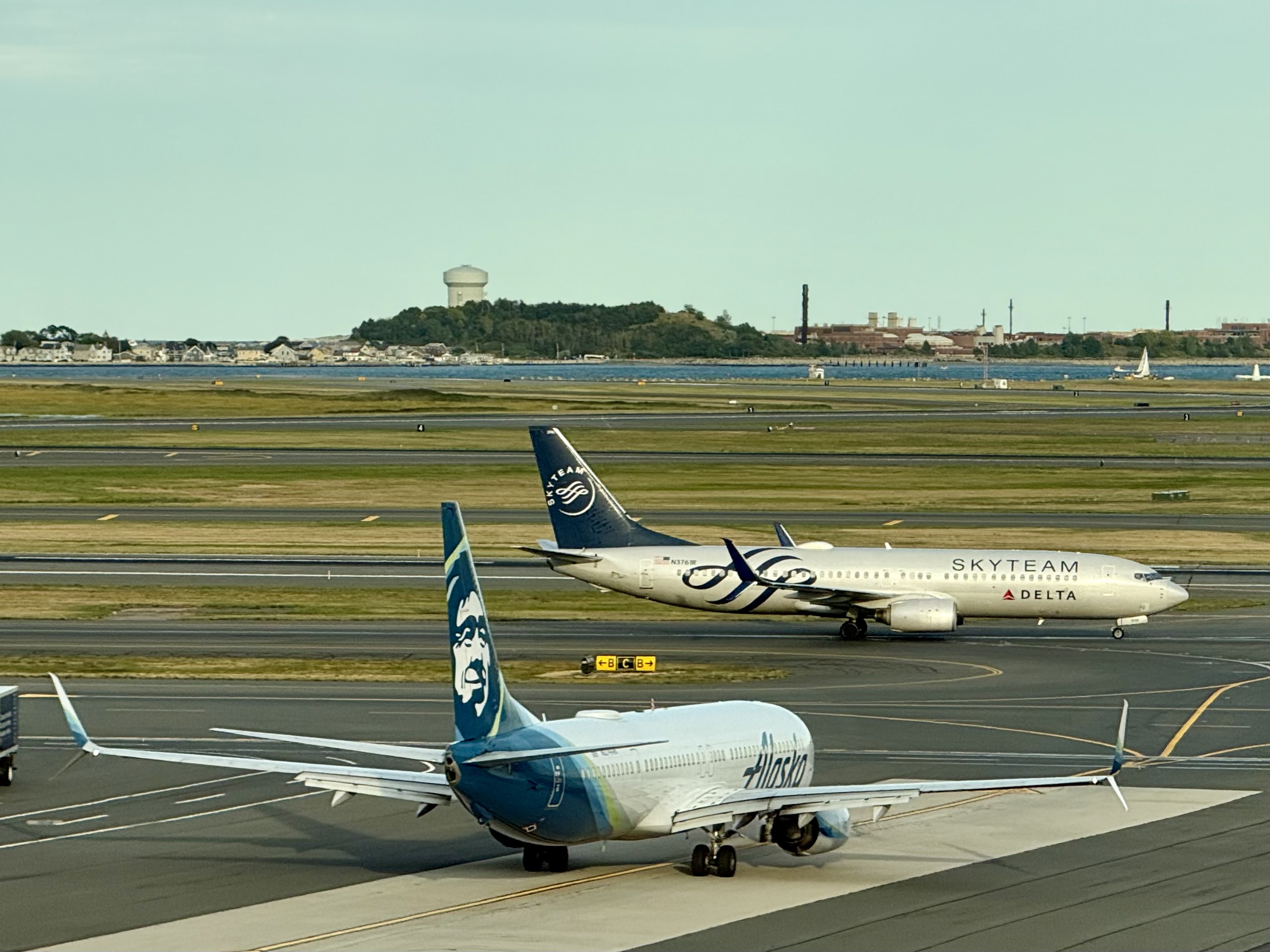
out of curiosity, you know neither plane in that lead photo is a MAX?
not a big deal, but I was curious since the article is about a MAX but the photo is of two NGs