
A viral LA coffee counter runs from a private home, and it raises big questions about safety, access, and whether this model can travel.
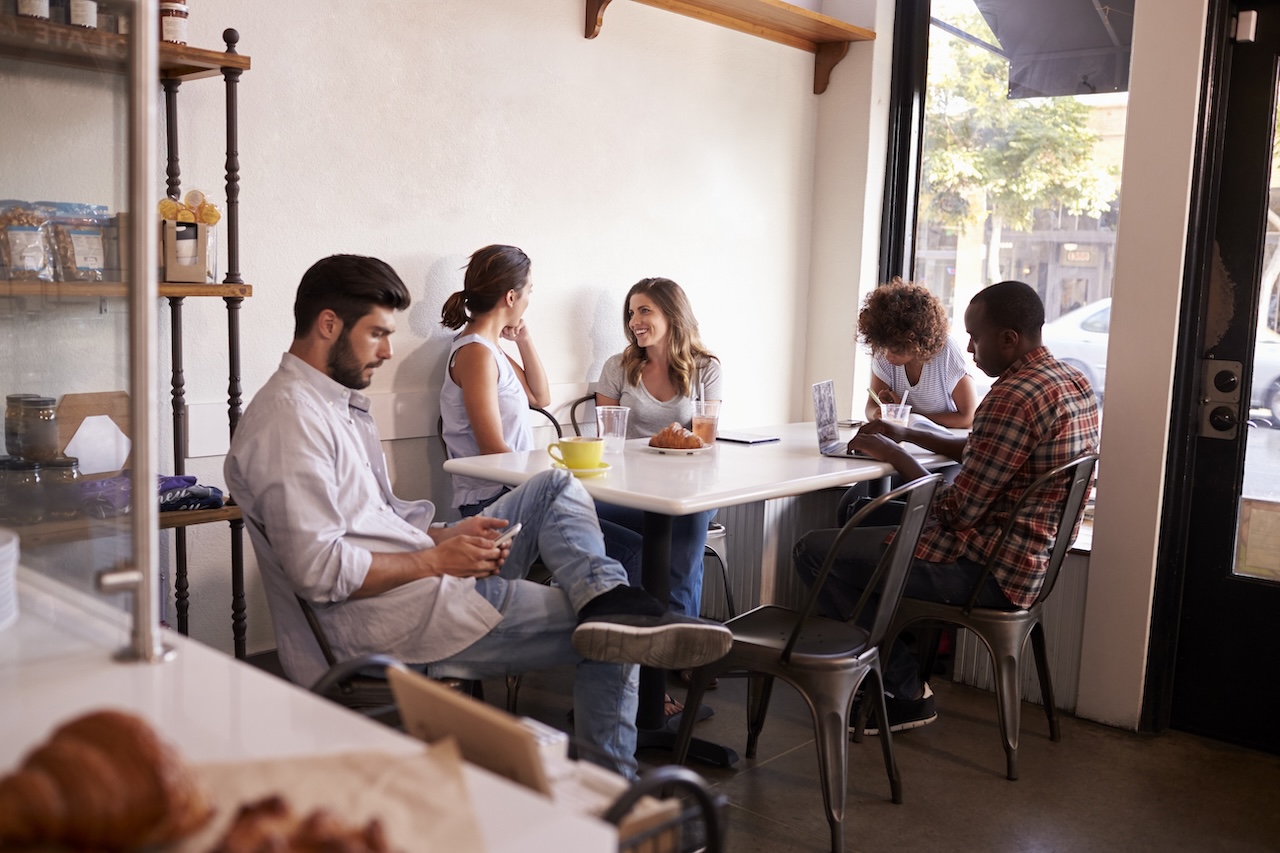
Los Angeles has never been shy about eating (or drinking) in unconventional places. Taco trucks are better than anything with a reservation. Pop-ups are incredibly transitory and difficult to establish into full restaurants. This year’s strangest new entrant might be the simplest one: a genuinely buzzy coffee shop that is, quite literally, someone’s house.
The “Hottest” Coffee Shop In LA Is In A Private Residence
The place popping up all over social media is Granada, a coffee setup run by Sydney Wayser and Isaac Watters out of the lower level of their home in Angelino Heights. According to reports, it opened in early January and took off fast, with visitors sipping cortados and eating pastries in a backyard setting that feels less like a retail operation and more like a friend’s quiet Sunday morning breakfast.
View this post on Instagram
What makes Granada feel so magnetic is not just the coffee. It is the vibe of intentional closeness. The owner describes it as building a “community space” with cozy hospitality that can only be found in the comfort of someone’s home. In a region where new concepts often arrive packaged as lifestyle brands first and actual places second, Granada’s hook is refreshingly analog: come over, sit down, talk to strangers, drink something good.
It is most definitely a business. But it is a business that still looks and feels like a home, because it is one. Confused? Me too.
How Are Home Cafes And Eateries Legal?
Los Angeles County now has a legal pathway for certain home-based food businesses: the Microenterprise Home Kitchen Operation (MEHKO) permit. The LA county board of supervisors authorized MEHKOs in May 2024, with permits issued by the county’s Department of Public Health (with some city exceptions like Pasadena, Long Beach, and Vernon, which have their own local jurisdictions and health departments).
Under LA County’s rules, a MEHKO can operate a small-scale restaurant out of a private residence, with guardrails that are meant to keep it truly micro. This limits operations with only up to 30 meals per day and 90 meals per week, plus a gross annual sales cap of $100,000 (adjusted under state law).
However, does the California retail food code apply then to coffee shops with the same cap? If so, the math stops this operation pretty quickly. I am assuming it’s impossible to get barista-made coffee for less than $9 in this sort of environment in southern California. Add in operational period of 12 hours daily and 20 cups sold hourly, Grenada should be done for the year in 46 days at most. If it does apply, the work around might be lowering prices well below market rate and encouraging tips which fall outside of Assembly Bill 626 (AB 626) that authorizes the MEHKO program.
Outside of the financial implications and compliance measures, this atypical retail food facility faces an ethical question. The case for MEHKOs is emotionally compelling and politically potent.
On one hand, it is hard not to see this as an egalitarian pressure valve in a place where opening a cafe usually means raising a small fortune especially in Los Angeles. Filling out a health permit application, financing rent, buildouts, staffing, and compliance can crush talented cooks and creators before they ever serve a first customer. MEHKOs lower the barrier to entry, especially for people who have the skills but not the capital, the time, or the safety net. LA County itself frames the program as bringing home cooks into the formal economy while still subjecting them to permitting and inspections. Environmental, health inspections and required standard operating procedures should keep facilities safe for the public but MEHKO’s approach levels the playing field and gives aspiring business owners a greater chance of success.
On the other hand, the skepticism is also rational. California’s (and LA’s) food regulations exist because people can get sick, kitchens can be unsanitary, and standards must be upheld beyond food borne illness but also the safety of workers and the public entering the space. Even with inspections and training requirements, MEHKOs are still a loosening of the traditional “commercial kitchen only” model.
MEHKOs do not erase consumer-protection concerns. They attempt to manage them with a lighter, more realistic rulebook for small operators. Whether that balance holds depends on enforcement, education, and whether counties treat MEHKOs as legitimate businesses, not novelty acts.
Is This Different Than Supper Clubs?
Yes, and also no.
The classic “supper club” or “underground restaurant” model usually sits in a gray zone, sometimes openly bypassing zoning and health codes. The point is often the secrecy, the exclusivity, and the thrill of eating somewhere you are “not supposed to.” It can be cool. It can also be risky.
A MEHKO, by contrast, is the government acknowledging this is happening anyway then providing a regulated lane. It is less of a hidden dinner and more of a legal micro-restaurant, with a permit, defined limits, and inspection standards that apply to the operation.
Could other cities do this? In theory, yes, but not without legal changes.
New York is the clearest counterexample. New York City has long treated paid meals served to the public as a regulated food service activity requiring permits, and it has explicitly stated that it does not allow meals to be served to members of the public in someone’s home. That does not stop private dinners from happening, but it does keep them from becoming a mainstream, above-board neighborhood cafe. New York does have pathways for certain home-processed foods, but those programs are generally about specific, lower-risk items, typically packaged and labeled, not a sit-down cafe experience in your living room.
What about Chicago? Illinois allows “cottage food operations” for certain products made in a home kitchen, generally sold directly to consumers with rules around what can be produced and how it is sold. But that is not the same as inviting twelve strangers to sit at Nana’s table for a Cuban evening in Miami-style communal bliss, with hot food plated and served like a restaurant.
That vision is the emotional core of why people love the Granada story. The public is hungry for third places, and tired of experiences that feel like transactions. A home cafe is the opposite of that. This is the antithesis of hugely corporate Starbucks and without the associated risk of starting your own coffee shop brand from scratch.
Conclusion
On my next trip to LA, I’d absolutely consider stopping at a MEHKO coffee shop if nothing else for the experience and understanding of what it’s all about. I think it raises interesting questions about what should be permitted. So many of the tours we find interesting for clients and when traveling ourselves are personal connections especially with local people in their homes. If constraints are appropriate and precautions taken, I’d love to be able to experience someone’s home table. That said, what will an example like Grenada do once it crosses (assuming it hasn’t already) the revenue limitations? Will it migrate to another home and start again moving around LA county every month and a half to be compliant but also build their unique business model? How will neighbors react when European tourists park rental cars around the block and line up in the street waiting for a flat white? It’s definitely a tourist attraction, and something I will want to see play out over time, but seems fraught with good intentions and abused execution.
What do you think?





Very good points on both sides in the story. In this case with the small menu the food safety concerns shouldn’t be that bad but we all want to know someone is inspecting the restaurants we eat at. The issue I would have is what you brought up in regards to parking and visitation. No one would want a restaurant opening up in their neighbors house. Areas are designated residential for a reason and commercial for a reason. Very inconsiderate of the owners it would appear to me.
The debates over AirBnB in some communities is nothing compared to this if it becomes more popular. On one hand I like the entrepreneurial spirit here but what is the cost to neighbors and the neighborhood? California possibly didn’t think this through and only saw more potential taxes to collect.
Inviting the public into your home would be a concern (safety, insurance, and ADA compliance. Finding a premises that was large enough and has some parking should be the goal. Otherwise sounds fun.
You’re not wrong, Maryland. In our hyper-litigious society, we do need to be aware of those risk, and mitigate as best as possible. It certainly can take the fun out of things. Makes us wish for simpler times. Leave it all behind, move to the so-called ‘Global South’ (developing, third, etc.) where less of this is at-issue. Then again, modern conveniences are kinda nice. When it’s done right, insurance is helpful. Eh, lots to ponder…
I like how instead of looking up the menu online for the cost of coffee you just “guess” it’s $9 minimum when the actual menu starts off at less than half that. Probably pays to do a little googling first.