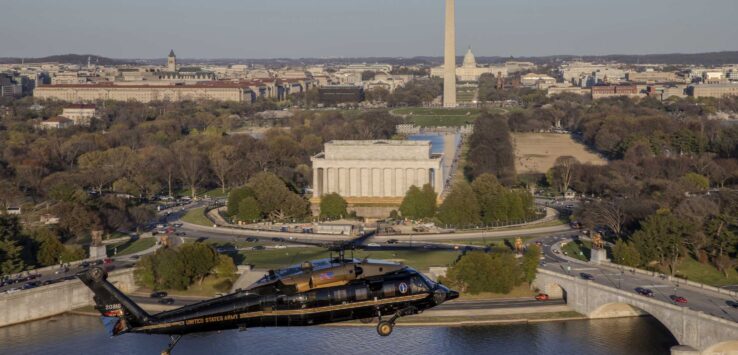
Just months after a fatal runway collision at Washington National Airport (DCA), another close call has raised serious concerns about airspace safety. In an alarming Army helicopter near miss at DCA, a US Army Black Hawk entered restricted airspace...
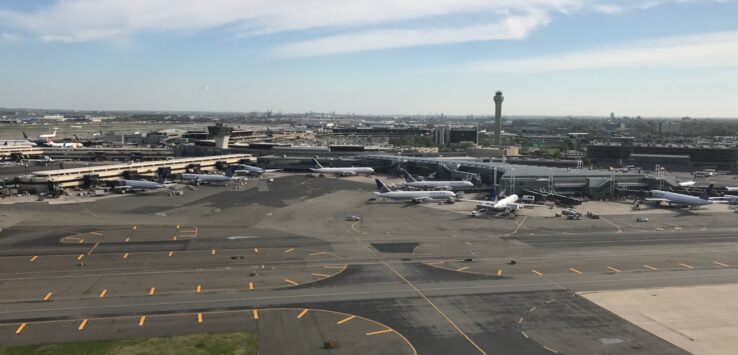
Never let a good crisis go to waste. Facing congestion and air traffic controller shortages, United Airlines CEO Scott Kirby is calling on the Trump Administration to reintroduce slot controls at Newark Liberty International Airport. It’s a move that...
On the surface, it appears that JetBlue pilots are angry that a potential partnership between United Airlines and JetBlue could end up costing pilot jobs. But that’s not the root of the problem, nor is it simply posturing for...
How Disability Access Services Work At Disney And Universal For Kids With Autism Planning Theme Park Trips With a Child on the Autism Spectrum For Spring Break this year, my wife and I decided to take our kids to...
Airspace safety regulations are crucial for preventing incidents like the recent near-collision involving Delta jets. These regulations dictate how aircraft navigate and interact within controlled airspace, ensuring that safety protocols are adhered to by all airlines and pilots.
For instance, the Federal Aviation Administration (FAA) establishes rules that govern flight paths, altitude restrictions, and communication protocols between pilots and air traffic control. Understanding these regulations helps travelers appreciate the complexities involved in maintaining air safety, especially in busy airspace like that of Washington D.C.
Impact of Airline Policies on Travelers
Airline policies significantly influence the travel experience, affecting everything from ticket prices to baggage allowances. Recent changes in policies, such as those implemented by United Airlines, can lead to increased costs for consumers or altered travel plans.
For example, when airlines adjust their flight schedules or cut routes, travelers may face higher fares or limited options. Keeping abreast of these policy changes is essential for frequent flyers, as it allows them to make informed decisions about their travel plans and budget accordingly.
Travel Tips for Families with Special Needs
Traveling with children who have special needs requires careful planning and consideration. Families often seek resources and services that can accommodate their unique circumstances, especially in busy environments like theme parks.
For instance, Disney and Universal offer Disability Access Services (DAS) to help families navigate their parks more comfortably. These services can include special accommodations for rides, priority access, and personalized assistance, making the experience more enjoyable for children with autism and other special needs.
Recent Trends in Airline Industry Regulations
Recent trends in airline industry regulations reflect a growing focus on passenger safety and consumer rights. Regulatory bodies are increasingly scrutinizing airline practices to ensure they prioritize safety and transparency.
For example, new regulations may require airlines to disclose more information about flight delays and cancellations, allowing consumers to make better-informed choices when booking travel. Staying updated on these trends is vital for travelers who want to understand their rights and the responsibilities of airlines.