
Boeing and Wizz Air are betting your next flight runs on treated sewage, and they’re further along than you’d guess.
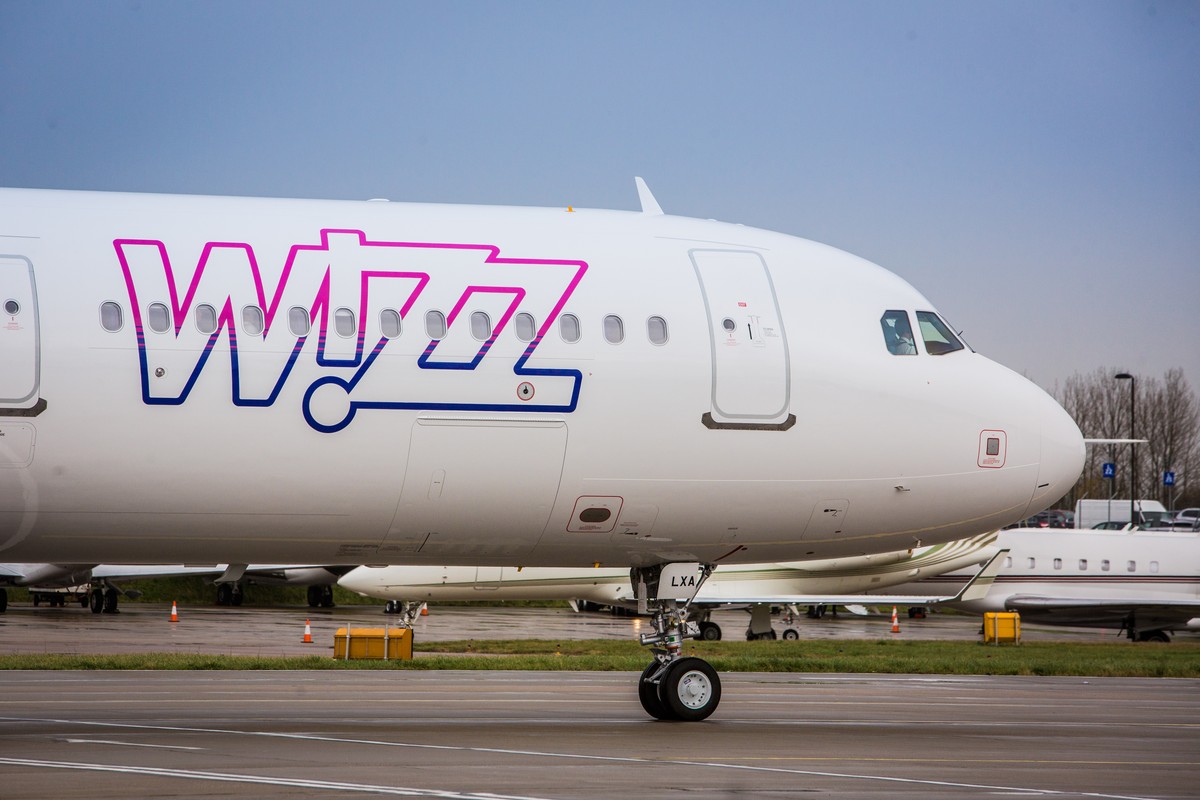
Your Flight Could [Someday] Run On Sewage
Firefly Green Fuels, a British startup backed by Boeing and Wizz Air, just closed the last major gap in its supply chain. According to a new report from Decarbonisation Technology, Firefly signed a partnership with the Turkish engineering firm, Altaca Energy, to supply the “hydrothermal liquefaction” technology needed to convert sewage sludge into crude oil, a crucial upstream step before that oil gets refined into jet fuel. The deal was signed at the British Embassy in Ankara, in what smells like a suspiciously hopeful deal.
Traditionally, sustainable aviation fuel involve used cooking oil or corn byproducts. Firefly’s feedstock is human sewage sludge, or “solid waste” as it’s known in the industry. If successful, this could be a far more likely source of sustainable fuels due to its widespread availability. But, pardon me, if I am doubtful.
The Airline Money Behind Human Waste
According to Advanced Biofuels USA, Wizz Air invested £5 million directly into Firefly and signed a 15-year off-take agreement to buy 525,000 tons of sewage-derived SAF starting in 2028, part of the airline’s public commitment to hit 10% SAF usage by 2030. Chevron Lummus Global is handling downstream refining. In addition to Wizz Air’s own goals, I suspect governmental compliance plays a role in its investment as the EU has put in place standards for carriers. It raises a question for me, does investment alone satisfy the requirement or must it actually power flight to qualify?
I have written before about how United became the first airline to fly a passenger jet on 100% sustainable aviation fuel, and about how United separately went looking for taxpayer support to help pay for SAF. Both of those stories involved fuel made from conventional feedstocks and government subsidy asks. Firefly’s pitch is different, a waste stream nobody else wants, funded by private airline capital instead of a taxpayer ask, available in every city, though refining would happen in a more centralized area.
Oddly enough, while Boeing and Wizz Air are both teaming up on this project, Wizz Air is an all-Airbus fleet. So what is Boeing’s interest in the project? First, the company has committed to offering 100% of its jets capable of using SAF by 2030 and that date is coming quickly. Second, it could be an opportunity to showcase partnership to a customer you’d like to earn in the future.
Why Sewage Beats Cooking Oil As A Feedstock
Cooking oil and crop based SAF feedstocks are limited by how much used cooking oil restaurants produce, and by worthy considerations about diverting food crops into jet fuel is a good use of farmland. Sewage sludge doesn’t face the same moral conundrum. Every city on earth generates it continuously, treatment plants currently pay to dispose of it, and Firefly’s process reportedly cuts lifecycle carbon emissions more than 90% compared to standard jet fuel. If the economics hold at scale, sewage solves the feedstock supply problem that has capped SAF production everywhere else.
Additional Questions
I formerly worked in oil & gas on water treatment projects to reduce waste. There’s a hidden cost in what and how we treat waste just as there is in delivering petroleum products to market. For example, some environmentalists were concerned with TransCanada’s Keystone XL pipeline from Canada to Houston through the Dakotas, Nebraska, Kansas, Oklahoma, and across the state of Texas to coastal refineries in Corpus Christie. Pipeline spills are statistically rare (though they happen) but stopping the pipeline meant two things: 1) deliveries would continue by rail and truck instead of pipeline, and 2) chances of a spill increase by truck, decrease by rail. Both of these are worse for the environment as oil-powered trains and trucks inefficiently transport the product a teaspoon at a time vs a massive pipeline with limited fuel consumption. They are also more costly.
That diversion has a valid point, I assure you. One of the unintended consequences is that the facility to process such waste will be highly specialized and the waste must be transported there. As it’s solid, a pipeline won’t do the trick, so what’s the net environmental effect of using oil powered vehicles to transport human waste to a facility to turn it into a clean fuel and then transport it to its destination? A processing facility in every city is inefficient, costly, and unlikely.
The second question feels more obvious: will it smell? Officially, it should smell the same as other jet fuels. Unofficially? I have my own entirely scientifically unfounded doubts.
Conclusion
As crazy as it sounds “your flight runs on treated sewage” is a possibility in the near future. No doubt, Wizz Air, Boeing, and industry peers will keep marketing this as simply sustainable aviation fuel. But Firefly’s Turkish supply deal is the unglamorous piece that turns a clever idea into a narrow possibility for an SAF that could deliver. Wizz Air already wrote the check but like many investments in sustainable fuels, I’ll have my doubts about implementation until regular flights with the refuse take flight. There’s probably a joke about RyanAir offering a discount for the restrooms onboard to counter the coin-operated toilet threats, or maybe one that combines taking a wizz with this new fuel type, but such toilet humor is beneath me.
What do you think?






Wizz Air broadening their portfolio with solid waste. Seems like an appropriate combination.
Ah, yes, wizz and sh*t. #1 and #2.