
Carriers spent two weeks leaning on ‘extraordinary circumstances’ to dodge EC261. On May 8, the Commission published guidance that said no in writing.
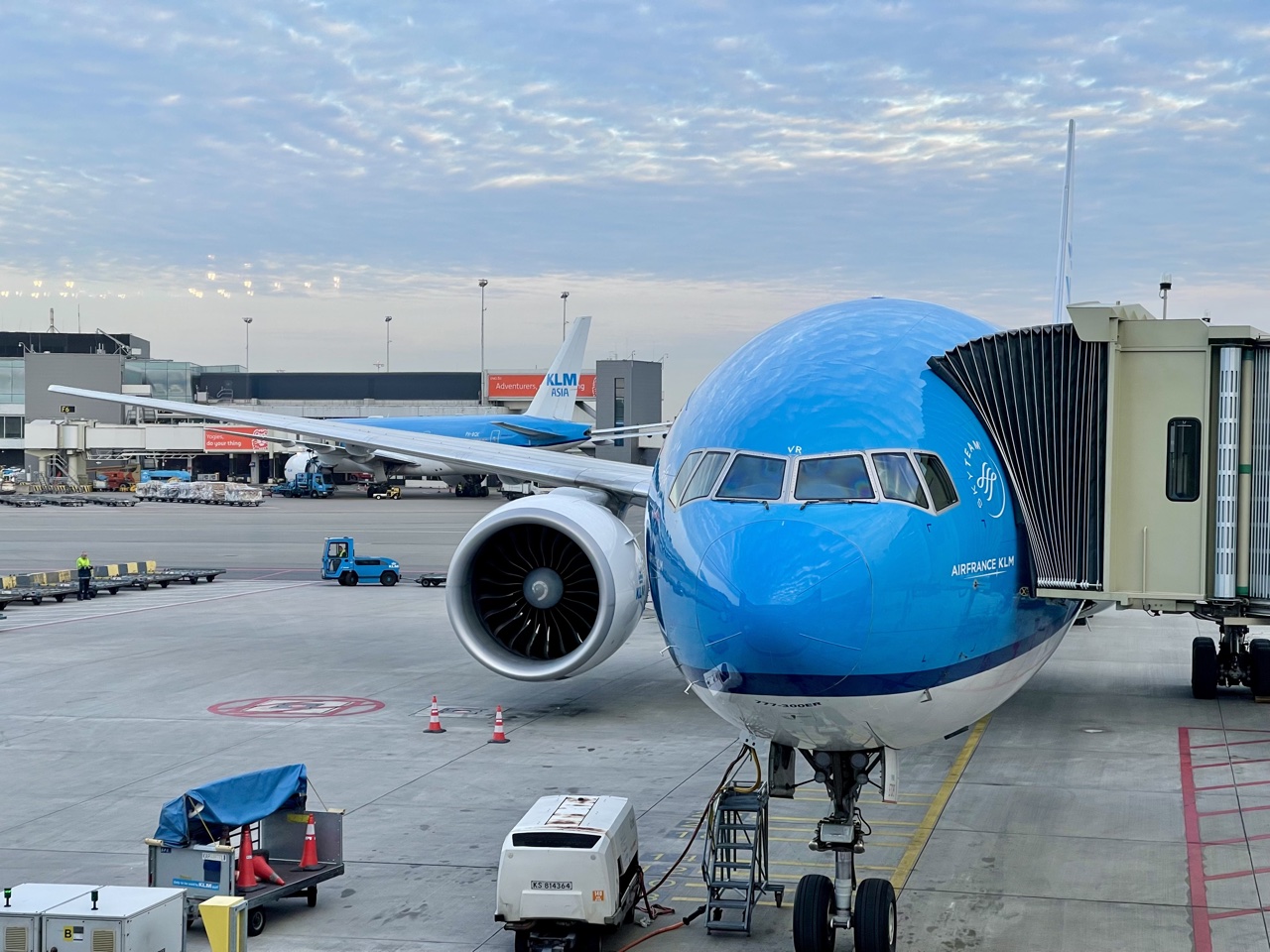
What Airlines Were Quietly Trying To Pull
Once the jet fuel crisis started biting in mid-April, European carriers began canceling at scale. Lufthansa cut roughly 20,000 short-haul routes from its summer schedule. Air France/KLM, British Airways (for EU flights), and Ryanair pulled significant capacity. Every one of those cancellations is a potential EC Regulation 261/2004 compensation event, which is up to €600 per passenger per cancelled flight.
Behind the scenes, airlines argued the jet fuel shortage was an extraordinary circumstance under Article 5(3) of the Regulation, the language that exempts carriers from compensation when something outside their control causes the cancellation. The argument is not crazy on its face. The Strait of Hormuz disruption is geopolitical. Refinery output (or in this case, product delivery) is not within any airline’s control. If a war counts as extraordinary, why would not the second-order fuel shortage?
That was the airlines’ position. It was almost certainly going to end up in litigation at the Court of Justice of the European Union by the fall. AirHelp and other passenger-rights firms were preparing for a long fight. EC261 Jet Fuel Cancellations hadn’t been tested but now we have a clear indication.
The Commission’s May 8 Comments
On May 8, 2026 the European Commission did not wait for the courts. The Directorate-General for Mobility and Transport published formal guidance on how existing EU rules apply to airlines and passengers during the Middle East crisis. The relevant line, verbatim:
“The Commission considers that high fuel prices should not be considered as constituting extraordinary circumstance.”
The guidance reaffirms that passengers affected by flight cancellations continue to benefit from full regulation EC no 261/2004 rights: reimbursement, hotel accommodation, meals and refreshments, re-routing or return, assistance at the airport, and that they pay compensation for last-minute cancellations. The Commission also drew a sharp line on retroactive pricing under the Air Services Regulation: airlines must display final ticket prices upfront, and adding fuel surcharges after sale is not allowed.
That is the Commission speaking directly to airlines. Compensation rights are not suspended. High fuel prices are a business cost, not an act of God.
The One Narrow Exception
The guidance does carve out one scenario where extraordinary circumstances might apply: a specific airport that physically runs out of fuel, where the plane cannot be refueled at all. In that case, the airline might be exempt from financial compensation, though it still owes passengers assistance, a refund, or rerouting to their destination at the earliest opportunity. Passengers whose flights are cancelled under these circumstances, including short haul flights, will not have the same entitlements under EC261.
That is a narrow door. It means a Saturday afternoon cancellation because Berlin Brandenburg actually ran dry would qualify. It means a Lufthansa cancellation because operating the flight is unprofitable at current jet fuel prices does not qualify. The European Parliament’s Commission’s framing is that commercial decisions remain the airline’s responsibility, even when the underlying cost pressure is geopolitical.
The Commission did offer airlines some relief, just not on compensation. Carriers can be exempted from the ReFuelEU Aviation 90% fuel uplift rule when carrying extra fuel from a departure airport is required for safety. Airlines may also be exempt from the usual slot-use obligations under the Slot Regulation when fuel issues prevent operating allocated slots. Both reduce operational pressure. Neither lets carriers stop paying passengers.
Why This Matters For US Travelers Flying Europe
If you are flying out of an EU airport this summer on any carrier, or arriving in the EU on an EU carrier, EC261 still applies. The fuel crisis does not change that. Many passengers have faced cancellations already.
That means when an airline cancels a flight within 14 days of departure on a flight covered by EC261 likely owes you €250 to €600 in cash compensation, depending on distance, plus rerouting and meals and accommodation. The airline must fulfill this. They do not get to point at jet fuel prices and walk away.
If a carrier tries to deny a claim citing extraordinary circumstances based on fuel cost, the Commission’s May 8 guidance is the document to cite back. I’ve used AirHelp in the past, but I have filed many more complaints directly and kept the entire amount instead of giving a portion to AirHelp.
Conclusion
Airline analysts expected Brussels to soften EC261 under pressure from the carriers. That was a reasonable concern for travelers in the wake of these high season cancellations. The Commission’s position is (thankfully) the opposite. Passenger rights survived intact, fuel prices were classed as a normal business cost, and the only exemption is a physical airport fuel-out so narrow it might apply to a handful of incidents all summer. The Iran war is reshaping European aviation in real time, but the passenger compensation regime is exactly as binding now as it was in April. I just wish the US had the same protections in place.
What do you think?




Trump did this. Send the bill to him (once he’s done sucking off Xi Jinping).
Oh, wait. Trump always stiffs anyone he owes money to. Paying bills is for suckers (ie US taxpayers).
I think the EU made the only decision they could have made. Had they allowed an exemption then the next time fuel prices increased the airlines would be clamoring to use the same exemption. If European airlines were a bit more reasonable then they might have gotten this exemption. Unfortunately, Lufthansa’s battles against paying just compensation are legendary and I don’t see Ryanair voluntarily paying people without a fight either. There are plenty of others as well. As a result the EU was pretty much forced to take the position they adopted.
And it was the right decision. Nice to see actual consumer-friendly outcomes at least in the EU.
„rerouting to their destination at the earliest opportunity.“
It is incorrect to say that „Passengers whose flights are cancelled under these circumstances, including short haul flights, will not have the same entitlements under EC261.“
Let’s stick with the hypothetical example that LH will shut down all departures from Berlin due to lack of kerosene. LH will still reroute the passengers to their destination at the earliest opportunity or they are entitled for compensation. If other airlines are still departing from BER (because they arrive with own kerosene) and LH does not rebook them they’re eligible.
If HAJ is still operating but LH does not rebook to flights departing from HAJ: eligible for compensation.
Kudos to the exemplary EC!
Yes, good doctor. The EC got this one right.
Agreed.
On the other hand, let’s note that the European Commission has proposed new rules that would enable single-ticket train travel across multiple European railroad companies and countries by requiring online ticket sites to provide information and ticket access for other rail operators’ services. With this proposal, the EC wants to improve rail connection across Europe to cut carbon emissions from air transport and to make rail travel a genuine European alternative to short-haul flights. The move comes as the ongoing Mideast conflict has sent jet fuel prices soaring and raised the spectre of shortages during Europe’s peak travel season.
Seems like yet another sensible decision by the EC…
It seems so.
My understanding was that this was already largely possible?
The “European Parliament’s Commission” doesn’t exist. The Parliament is the legislative branch of the EU gov. The Commission is the executive branch, and they are the one that handed this down. Don’t feel bad for not knowing that… Sen Tuberville (R-AL) doesn’t understand that distinction either.
What about those travelling through Doha. My daughter and son in law got their honeymoon flights to Italy cancelled 2 weeks before their wedding by Qatar Airline, no redirect or anything. Just rebook at thousands of dollars more. They couldn’t afford it, and now await their refund which could take months. It was such a disappointment, and I wondered how the Aurlines get away with it.
The rule only applies to EU airlines or non EU airlines departing from EU airport. So if their flight on qr *TO* Italy is cancelled, they are at the mercy of QR, which I doubt would be very good given the company’s past behaviour. Another reason to avoid a lot of middle eastern airlines. They are amazing on board when things go smoothly but as soon as any irregularities happen, you are royally screwed.
Pinko commies the lot of them
The EU stance makes sense because the airlines could have just hedged the fuel but they made a business decision not to hedge fuels given the stable pricing in the recent years. Now they need to pay the price. It is a simple risk and reward situation but people (and companies) hate it when they lose and try to blame others or act like a victim. But when they win, they love bragging about it. A very simple human psychology…
Too bad Trump and the US airlines blocked similar protections for USA flights like EU261. USA airlines can get by with any excuse they want and not pay for customers inconvenience!
Yep.