
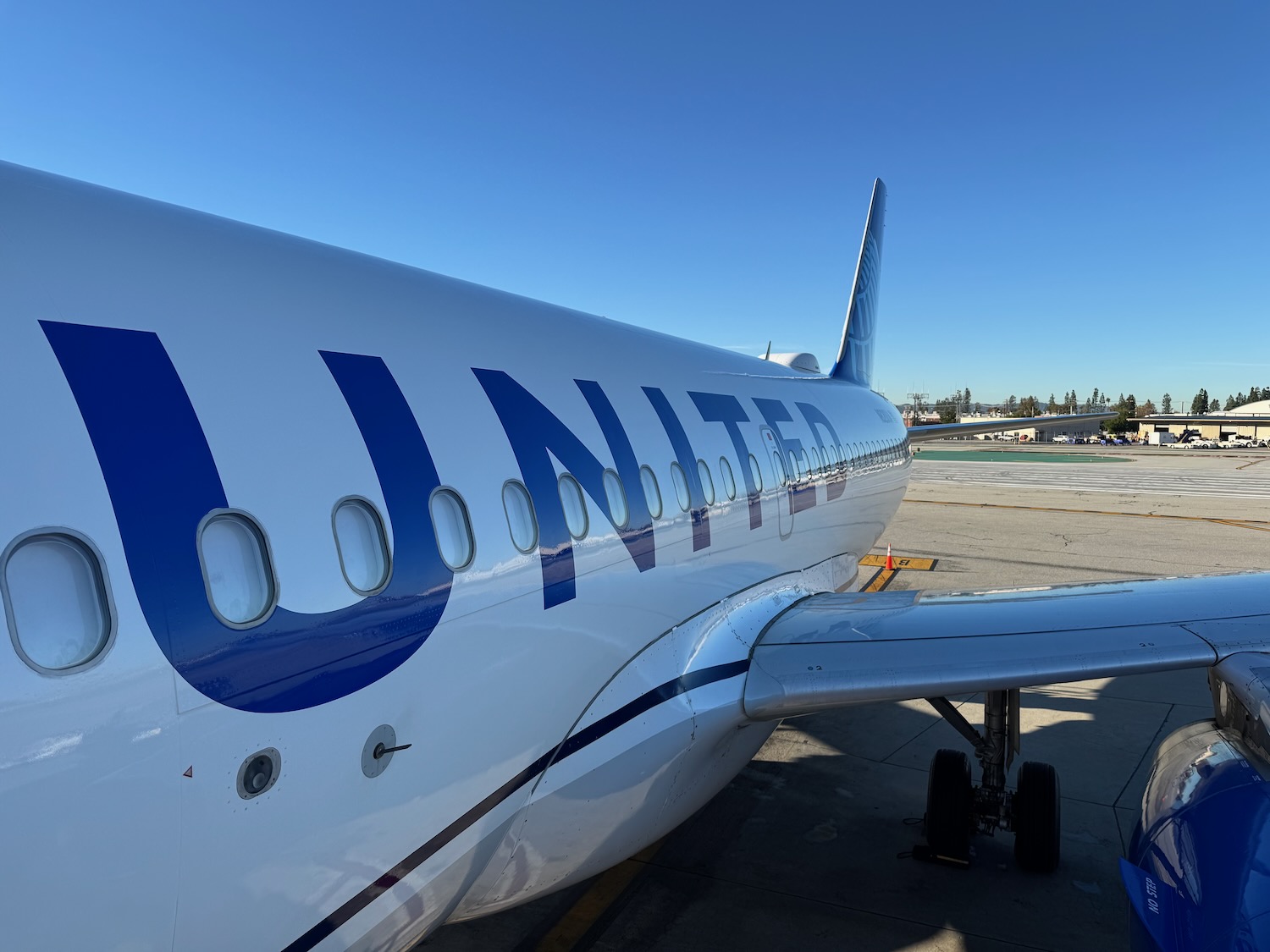
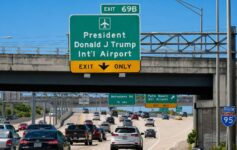
Yesterday, we broke news that United Airlines had authorized its reservations agents to rebook passengers who did not want to fly into Palm Beach International Airport, now called President Donald J. Trump International Airport, to nearby airports at no charge, even if the new itinerary was more expensive. After this story went viral, United backtracked and pulled authorization for agents to reaccommodate passengers at no charge who preferred to fly into Miami or Fort Lauderdale to avoid flying into DJT.
United Airlines Quickly Ends Policy Allowing Free Changes For Passengers Flying Into Donald Trump Airport
A July 8, 2026 memo entitled “West Palm Beach, Florida Airport Name and Code Change” empowered reservation agents to reaccomodate passengers scheduled to fly into Donald J. Trump International Airport (DJT) into nearby Fort Lauderdale (FLL) or Miami (MIA).
“If a customer does not want to fly to the airport, use your empowerment to offer acceptable alternatives such as Fort Lauderdale Airport (FLL) or Miami International Airport (MIA).”
The memo even provided a script to use to help calm passengers triggered by the airport name change:
“I understand that you’d rather not fly to this airport anymore. We can look at nearby airports like Fort Lauderdale or Miami instead. Is that an acceptable alternative?”
The memo explicitly authorized agents to process these voluntary changes as an “even exchange” meaning no additional fare would be collected even if the fare into MIA or FLL was higher.
After that memo went viral, United issued a carefully worded statement saying the memo was “poorly worded” and “inaccurate” (without denying its authenticity) and adding:
“United customers are able to make changes to a ticket without a fee for many reasons. However, our policy doesn’t allow for changes because of an airport’s name or three letter code.”
Let’s be clear: the memo was not unclear at all. It may have been written by a lower level manager rather than represent C-Suite policy, but it clearly authorized reservation agents to use their discretion to reaccomodate disgruntled passengers flying into DJT. We are told that the memo, still dated July 8th with the same title, has been updated to remove that language but otherwise left unchanged concerning United’s internal updates for renaming PBI to DJT.
I understand why United decided to quickly end its surprisingly generous policy of accommodating these disgruntled passengers…it was far too generous in the first place and ripe for abuse for those who may have booked into DJT because it was cheaper than used this unpublished policy to move to FLL or MIA. I suspect when United offered its agents this leeway, it did not expect the policy to go viral, especially during a critical period in which United CEO Scott Kirby has carefully cultivated a strong relationship with the Trump administration.
It was neither United Airlines nor the airport itself that renamed PBI to DJT…those who are opposed to the move should take it up with Florida state legislature who made this unprecedented change, the first-ever instance of naming an airport after a President who was still in office. In that sense, United’s policy seemed disproportionate considering it had no control or input over the airport name change.
CONCLUSION
An exception likely intended for a few disgruntled passengers turned into a viral headlines around the world, a recognition of the unique times we are in. United ultimately quickly clarified its policy, ending discretion for agents to make even exchanges if the new fare was higher. All United domestic tickets, with the exception of basic economy, remain flexible so those booked into DJT can still change into MIA or FLL…but any fare difference will now be due.




Customers that call an airline demanding that they be allowed to change airports because of an airport’s name should be assessed an additional fee for wasting customer service’s time.
the more likely outcome was that some lower level manager allowed his/her political persuasino to get involved in UA policy and the memo made its way to the administration (why wouldn’t it – it was extensively covered on multiple aviation social media) and someone at UA got a phone call from someone in DC.
Why is it that UA tries so hard to suck up to this administration and so regularly screws up? I can’t think of another airline in recent memory that has a government relations track record as bad as UA