
Aeroplan, LifeMiles, Emirates, and Cathay all raised award prices within weeks. Call it what it is. The miles in your account are inflating away.
The Month Everyone Reached Into Your Account
There are times where one program tightens the screws and the rest of us grumble and move on. May was not one of those months. In a span of about three weeks, four different loyalty programs raised the price of the same award seats, and they did it with a suspiciously coordinated energy of an industry that has agreed the old prices were too generous.
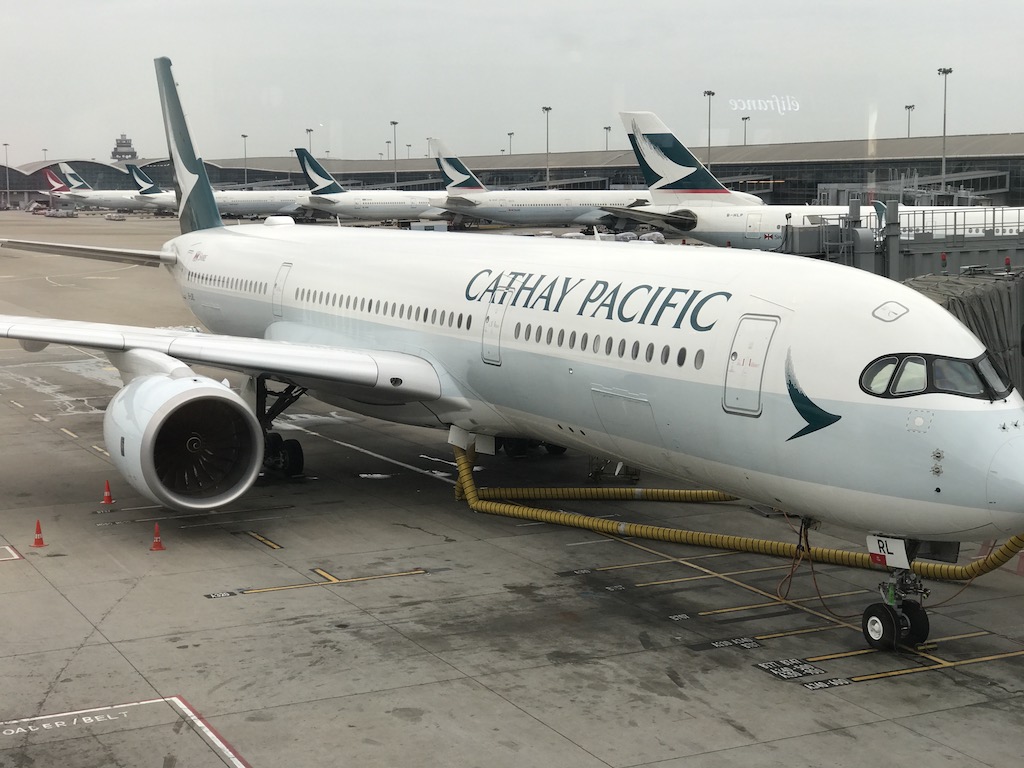
Air Canada devalued Aeroplan on May 20, expanding its award chart from three pricing tiers to five and pushing base rates up by roughly 20% to 37.5% across most categories. Emirates Skywards followed the same week, tacking around 15% onto first class, premium economy, and a chunk of business class awards. Cathay Pacific Asia Miles had already moved on May 1, trimming value from medium and long haul business class. And Avianca LifeMiles, the program that has been guilty of unannounced increases, raised prices a third time in 15 months.
The points world has a bad habit of treating each of these as an isolated bit of bad luck. It is not bad luck. It is inflation, and it is hitting your miles harder than it is hitting your dollars.
Why It’s Inflation
Inflation is just more currency chasing the same goods. That is exactly what has happened to airline miles. Programs have spent a decade making travelers ever richer through credit card bonuses, and the supply of business class seats has grown too but not anywhere near as fast. The price of those seats in points has to rise. Every program on that list is responding to the same pressure, which is why they all moved (more or less) at once. Financial institutions like American Express, and Chase pursue higher credit scores and to get them they offer more and more points and miles for affinity cards and more rewards points on their own currencies. And, of course, to pay for richer rewards and airport lounges, annual fees too must climb, the Platinum AMEX card now edging ever closer to $1,000/year with the promise of access to dozens of rewards programs for your “membership.”
Miles and points devaluations happen often. The difference is that the dollar in your wallet lost a modest bite of purchasing power over the past year, while a LifeMiles point lost a brutal slice of its value in a single overnight repricing. Avianca raised some redemptions by as much as 50%, and US to Europe business class on partners like United climbed somewhere in the range of 15% to 21% in one move. United awards to Europe that cost 80,000 miles each way now run closer to 92,400. Delta remains the king of runaway pricing, especially in premium cabins, but because of the difference in these charts and the timing it feels more dramatic.
The other tell is the silence. LifeMiles did not announce the change. Members logged in one morning and the prices had simply moved. The first two times Avianca tried this, it partially walked the increases back after enough people complained. This time it has held for weeks. When a program stops pretending it might reverse course, you are watching a permanent reset. It feels different when they are unapologetic.
What The Charts Stopped Telling You
The deeper shift is that the fixed award chart, the thing that made miles feel like a real currency, is dying. Aeroplan going from three tiers to five is a polite way of saying the price now floats with demand. The more levers a program adds, the closer the whole thing creeps toward simply pricing awards off the cash fare, which is where most US programs already live.
That matters because a currency you cannot reliably price is a currency you should not collect. Many sites still publish monthly valuations putting most transferable points somewhere around 1.5 to 2 cents each, and those numbers are useful as a rough floor. But a valuation is an average, and averages hide the fact that the specific seat you want has quietly gotten 20% more expensive while the headline number barely budged. How one spends their points is a huge factor in how much they are worth. Some of my clients only ever redeem for low value domestic coach awards so the aspirational redemptions in business and first class are mostly irrelevant, even if they deliver a better value for money on paper.
How I Am Actually Behaving Now
A well booked premium cabin redemption still beats paying cash by a wide margin. What I have changed is the holding pattern. I earn into flexible currencies like Amex, Chase, and occasional specific products like American Airlines. I prefer the flexible currencies rather than parking miles inside any single airline program, because a transferable point cannot be devalued until the moment I move it. I transfer only when I have award space on hold, never speculatively. And I have made peace with the idea that the sweet spot I bookmarked last year may not exist by the time I am ready to fly.
The travelers who get hurt are the ones treating miles like a savings account. Miles are the opposite of savings. They are a depreciating asset with no interest, no insurance, and a board of directors who can cut the value whenever the quarter looks soft. You would never let cash sit somewhere losing this much value on purpose, so stop doing it with points.
Conclusion
May made the trend impossible to ignore. Four programs, three weeks, one direction, and the price is up. None of this means miles are worthless, but it does mean the comfortable assumption that a point banked today is a point worth the same amount next year is finished. Treat your balances like a currency in an inflationary economy, because that is precisely what they have become. Spend them on the trips you actually want, keep your earning flexible until the last possible moment, and stop being surprised when the program reaches into your account.
What do you think?






“The first panacea for a mismanaged nation is inflation of the currency; the second is war. Both bring a temporary prosperity; both bring a permanent ruin. But both are the refuge of political and economic opportunists.” – Ernest Hemingway –
While the devaluations are bad, I actually think the cash prices for the same tickets are up even more and so the miles maintain their value. Premium cabin airline tickets have soared in price over the last year.
The airlines have created this monster by selling billions upon billions of points to everyone from credit-card partners to used car dealerships, and now there are probably more floating around in the ether than the US national debt and Chinese foreign reserves combined. Customers have not helped by greedily exploiting every single loophole, often acting selfishly by booking premium cabin redemptions across multiple departure dates and then cancelling all but one at very short notice. This may have been minority behaviour, but it’s obviously frequent enough that airlines are now charging draconian penalties for cancelling points bookings, in addition to ratcheting prices up into the stratosphere. Loyalty is dead. It’s time to move on, and if you can’t afford to travel in a comfy seat anymore then it sucks to be you.
I have had trouble finding award tickets using the Aeroplan points, primarily because of the cancellation fees but also availability is lacking for what I need. I have now been using them for a hotel night in Cancun previously, 37k for a night at a Marriott and now I have planned to use 57k of them for a minivan rental for a week in Orlando. Bad redemption rates I know because I would only need to spend about $400 in cash for the minivan rental. That’s $400 more dollars I’ll have to spend on the park tickets though. Oh well.
Airlines know that their customers are banks and credit card companies and no longer flyers like us because we do not contribute to their bottom line. Miles are not longer rewarded because of loyalty. It has become a source of revenue for airlines. All the miles they sell shows as a debt in the balance sheet so to reduce their debt they keep devaluating the points. Us, flyers, are just another number airlines uses when airlines negotiate their deals with credit card companies.
I feel this, viscerally. Not just miles, but also benefits like companion certificates and upgrade certificates (Delta), PlusPoints, SWUs, etc., which are becoming harder and harder to actually redeem for good value. You used to find JFK-SFO/LAX D1 readily available with RUCs; not any more. Have an Amex Delta Reserve? Good luck finding First for your companion certificate; best DL can do is a 2-hour flight on a CRJ.