
Air Canada’s first A321XLR brings 14 lie-flat suites to thin transatlantic routes like Montreal to Toulouse. The narrowbody long-haul era is officially here.
Another Single Aisle Crosses The Atlantic
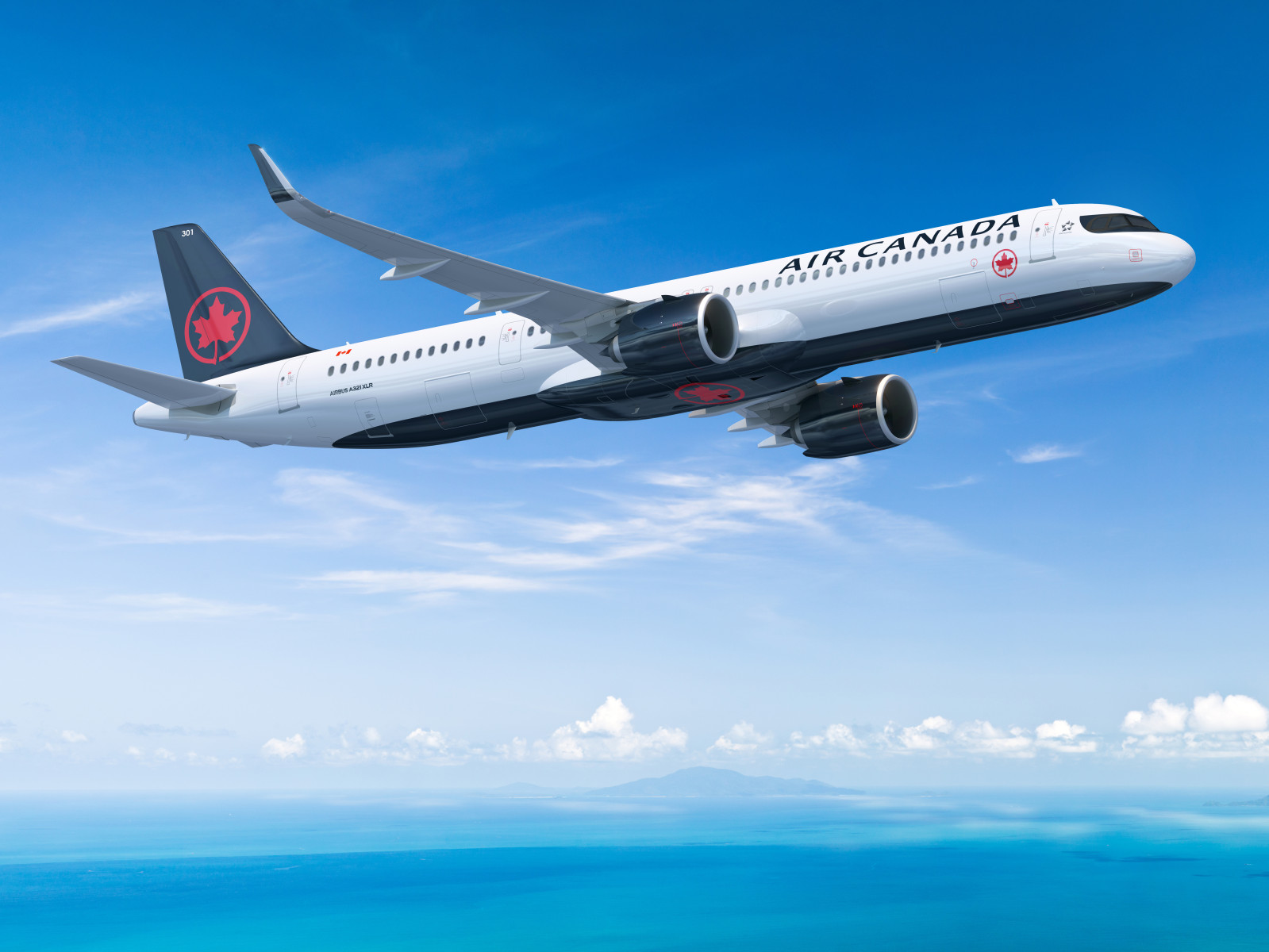
Air Canada took delivery of its first Airbus A321XLR in April, and with it the airline joined a club that is reshaping how we think about long-haul flying. The XLR is the longest range single aisle Airbus has ever built, and Air Canada is about to point it across the Atlantic joining a list of peers getting longer by the day. The inaugural passenger flight is scheduled for June 15 from Montreal to Toulouse, with secondary European cities like Edinburgh and Berlin filling out a roughly dozen route network through the rest of 2026. The aircraft offers modern amenities like bluetooth audio and larger overhead bins with more storage.
For the better part of 60 years a transatlantic flight meant a widebody with two aisles and a galley the size of a studio apartment, this is a market shift. Air Canada is not alone. JetBlue, Aer Lingus, and Iberia have all leaned on long range narrowbodies to open thin transatlantic markets, and United has a large order of XLRs of its own, American and Delta too. Those are all in addition to Iceland Air which has a unique geographical position that makes it a shorter distance than the others. The economics are simply too good for airlines to ignore, and that is exactly what makes me cautious. Carriers have held off using single aisle planes until product changes in two areas occurred, 1) range capability, and 2) premium onboard product.
The Premium Cabin Has Evolved
Air Canada, like its peers, did not treat the XLR as a glorified domestic shuttle. Its version seats 182 people, split into 14 lie-flat Air Canada Signature Class suites and 168 economy seats, wrapped in the airline’s new “Golden Hearted” cabin design that mirrors the look of its Boeing 787-10. The front cabin is a real business class, not the angled recliner nonsense narrowbodies used to pass off on premium passengers.
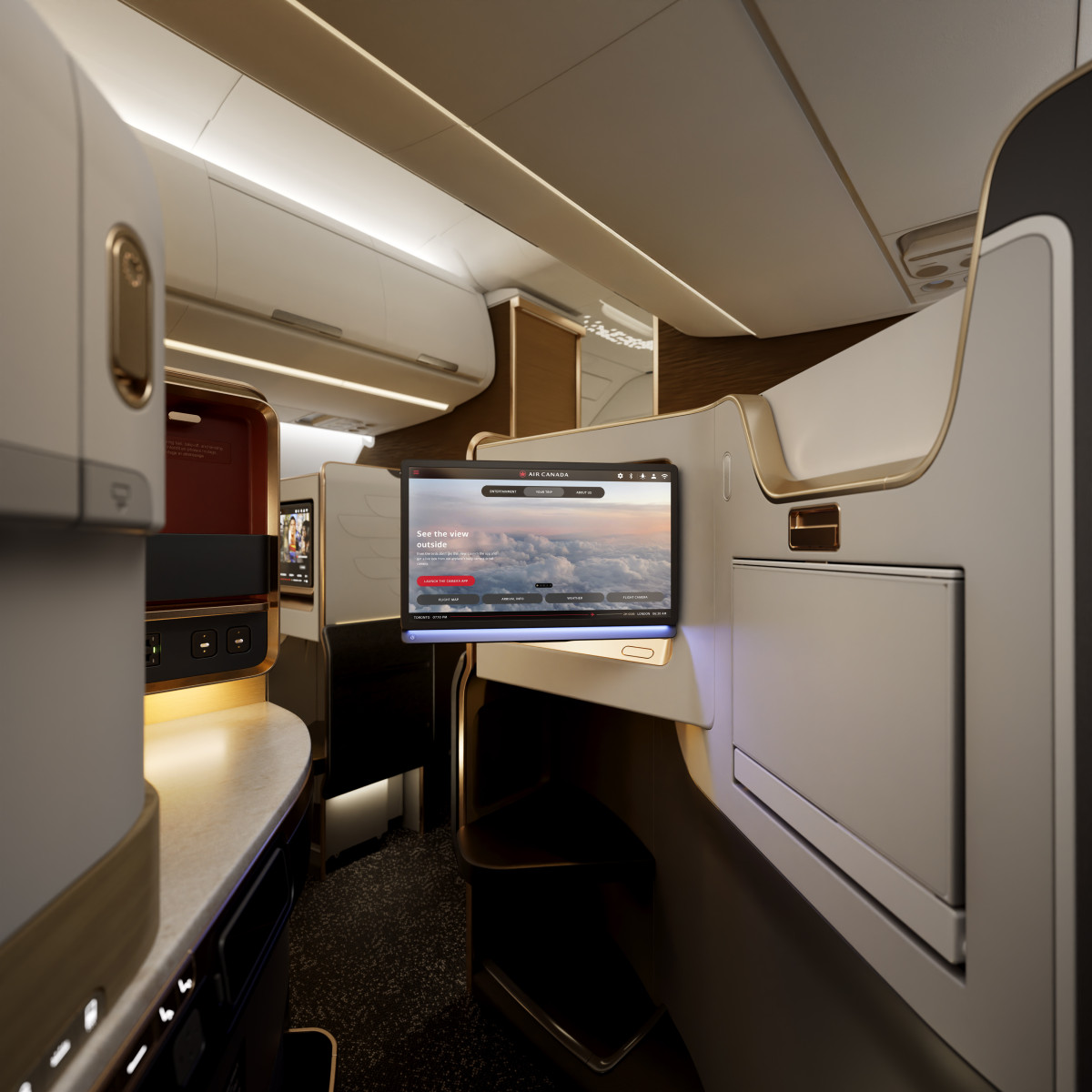
Fourteen lie-flat seats on a 182-seat jet is a very light premium ratio compared to others flying across the Atlantic even on the same equipment type. Leaked seat maps from United show 20-28 lie-flats, American is to be fitted with 20, but even JetBlue (with either Neo or LR but not XLR) offer 16-24 lie-flat seats.
I suspect that the carrier intends to focus more on smaller markets with less demand for premium seats, the launch route among them.
My Hope, Although It May Not Come To Fruition
Ideally, these smaller jets allow carriers to buy more of them and open up routes they otherwise would not. It could work to create both a more convenient flying experience with a greater number of nonstops and more competitive prices and available award seats. JetBlue hasn’t been a great example of this yet because it’s not focused on smaller markets. It’s launched flights from New York and Boston to London, Paris, and other evergreen destinations from very sturdy departure points. But with dots like Toulouse popping up on the map, that does two things, it adds seats from another competitor to the marketplace that will move some clients from flights that might have otherwise connected in Frankfurt, Amsterdam, Paris, or London. That opens up some opportunity.
Secondly, more space for the same amount of travelers, at least initially, should create more award seats and the nonstop will pull some off the connecting routes. In time, additional opportunities should grow those markets but before it does it could be a good time to find space for unique journeys.
Conclusion
Air Canada’s A321XLR is an exciting addition to the trans-Atlantic landscape, and the Signature cabin is worthy of a look. The aircraft genuinely expands where Canadians (and Star Alliance partners) can fly nonstop, but may be truly unique in the markets it chooses to target. The A321XLR and its sister aircraft promised long thin routes, and Montreal to Toulouse fits that bill more than New York JFK to London. My hope is that Air Canada inspires peers to follow their lead and expand the breadth of North Atlantic travel rather than just the frequency. As they find their way, it should create good opportunities for us all to try it for ourselves.
What do you think?






757s have been flying across the Atlantic for decades. The 707 flew across the Atlantic before widebodies even existed. I don’t exactly think this is a new era.
Greetings to the legendary B707s and B757s!
Thats true, Jerry, but the XLR will burn 30% less fuel than a 752 over similar distances. This is the real reason why sectors like YUL-TLS are now viable. With the 757; and let’s not mention what a gas-guzzling pollution-generator the 707 was; that extra fuel burn was a limiting factor for destinations that couldn’t command the fare yield required to operate them profitably. Reducing fuel burn by 30% opens up a whole new world of non-stop possibilities at fares that the punters can afford to buy.
I recently flew on an Aer Lingus 321xlr– the cabin layout sucks compared to a United 757-200. Unlike the 757-200 layout, there is no mid-cabin Lavatory between Econ and business on the 321xlr. All 3 economy lavs are in the rear of the plane (and one of them has a jumpseat as its door)– with a single aisle and all of the lavatories in the rear, the Econ passengers can have a hard time getting to the lavatory when the meal and drinks service trolleys are out.
Once the trolleys are done, a pretty big line develops at the rear of the plane which is clumsy to navigate, and no fun for the aisle passengers in the back 1/3rd of the cabin. Having one of the lavatories hidden behind a jumpseat results in passengers who are unfamiliar with this “door” not recognizing that there is an open lavatory, and thus functionally it ends up being 2 lavs in the rear for 168 Econ passengers.
Hopefully one of the airlines will fit the XLR with a layout more like the United 757-200– so that there will be a nice modern replacement for the old 757-200 designed in the late 1970s.
Completely with you.
For aviation enthusiasts → C-GXLR is the registration for AC’s first A321XLR (A321-271NY) aircraft. It is currently parked at YUL and undergoing pre-service modifications, training, and testing. The flag carrier of Canada has a total of 30 A321XLR aircraft on order at the moment. Of the 30 jetliners, 15 are being acquired directly from Airbus, and the remaining 15 are being leased through lessors like SMBC Aviation Capital.
A major milestone for AC… Bringing wide-body comfort to a single-aisle jet, the game-changing A321XLR furthers AC’s ability to serve new transcontinental and transatlantic city pairs.
AC reports that the non-stop inaugural passenger flight from YUL to TLS on June 15th, operated by an A321XLR, will last 7 hours and 20 minutes.
Hopefully AC is a fan of LaLF and they will see my plaintive plea for restoring direct service YYZ / BRS that was abandoned by Canada 3000 on 9/12.
(yeah, that one and the entire airline disappeared)
Getting tired of dealing with LHR / LGW or AMS to visit the family. It’s also a perfect gateway to West England and Wales.
AC has been flying the 737-8 MAX from Halifax YHZ to London LHR for quite some time.
Yes, that’s true! AC/RV operates a daily, non-stop transatlantic flight between Halifax (YHZ) and London Heathrow (LHR) using the narrowbody B737 MAX 8 aircraft. This 5h 55m flight represents one of AC’s shortest transatlantic crossings, bridging a geographical distance of roughly 2850 miles (~4600 km).
As long as the narrowbodies have lie-flat (as opposed to recliners) for said long-hauls, I’m all for this. Just don’t pull a Delta and settle on XLR because you cant handle selecting seats tat pass certifications.