
Gaggan Hotel points to a luxury travel trend where the best brands curate the experience instead of offering endless choices.
Gaggan Moves From Restaurant To Full Hospitality
When I think about Gaggan, I don’t first think about any particular dish. I think about the entire experience. The food was inventive, the 25-course emoji menu was clever, and some of it bordered on absurd in the best possible way. But what made Gaggan memorable was that the meal was choreographed. It had music, pacing, humor, theater, and enough confidence to ask guests to simply come along for the ride. At the time we dined, Gaggan was ranked second among the world’s 50 Best Restaurants, and first in Asia for its progressive Indian fine dining experience combining molecular gastronomy in an incredible surprise.
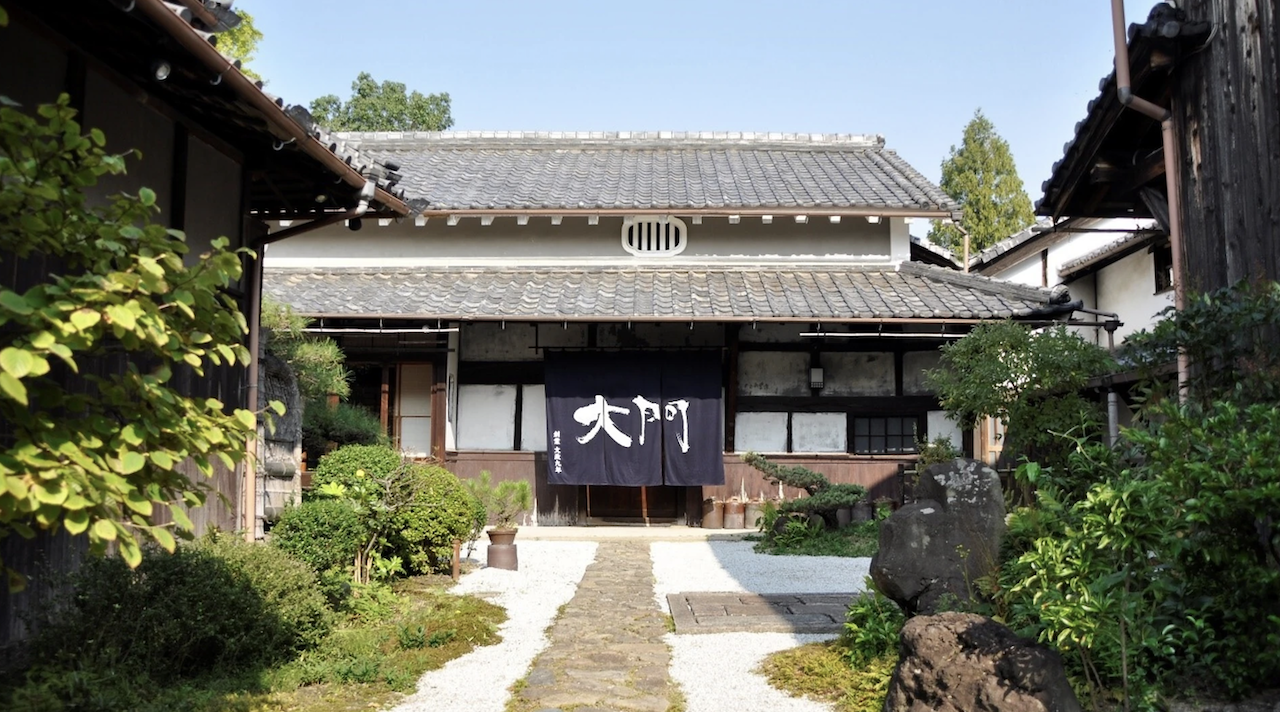
That is why the news of Gaggan Hotel at Daimon Sake Brewery caught my attention. Chef Gaggan Anand is not merely attaching his name to a hotel project. He appears to be taking the same idea that made his Bangkok restaurant memorable and applying it across an entire stay. Instead of asking guests to choose endlessly, the hotel seems built around a more confident premise: let us handle it.
The property is planned for 2029 between Kyoto and Osaka, inside the 200-year-old Daimon Sake Brewery. It is expected to have just 15 guest rooms, each around 70 square meters (705 sq ft), with guests booking a limited 2-3 night stay. Days are expected to be shaped around sake tastings, the brewery, spa, onsen, dining, and other curated experiences. At first glance, that may sound restrictive. In practice, it may be exactly where luxury is headed.
The New Luxury Is Not Always More Choice
Luxury travel brands have spent years selling more. More room categories, more dining outlets, more excursions, more personalization, more add-ons, more ways to configure the same trip. That sounds generous, and sometimes it is. But at a certain point, more choice stops feeling like freedom and starts feeling like homework.
That is especially true at the high end. A guest who has already chosen the destination, flights, transfers, hotel, room type, dates, restaurants, spa times, and tours may not want to keep making decisions once they arrive. The whole point of paying for expert hospitality is that someone else has done the thinking. The guest should feel known, not processed through a menu of options. There’s a case for this with omakase. The best Japanese dining experience is usually 8-15 courses of the chef’s choosing without notification, explanation, swaps or choices. You’re paying to be taken on a journey in which you have an approximate direction, but very few other details – and it’s amazing.
This is where Gaggan Hotel becomes interesting. The pitch is not that guests can do anything. The pitch is that guests can stop deciding. That is a bold move because it requires trust. A hotel cannot remove choices unless it has a point of view strong enough to replace them. When that works, the lack of choice does not feel limiting. It feels like relief.
Hospitality Brands Are Becoming Worlds, Not Properties
Gaggan Hotel also fits into a wider luxury trend: hospitality brands are no longer staying in their original lanes. This is one of the things I predicted following ILTM Cannes in December 2025 as an important segment of luxury’s progress. Orient Express is not just a train brand anymore. It is trains, hotels, and yachts. The brand has become a world of motion, nostalgia, design, and European glamour that can be expressed by rail, by sea, or through a hotel stay.
The Ritz-Carlton Yacht Collection does something similar from the other direction. Ritz-Carlton is no longer just a hotel flag. Now, its service language has been translated onto yachts, where the product is not really a cruise in the mass-market sense. It is Ritz-Carlton hospitality at sea, with suites, service, dining, and design doing the work that the hotel brand has trained guests to expect.
That distinction matters. Luxury brands are realizing that the physical asset is not the whole product. The product is the way the brand makes guests feel, and that can move across formats. In Miami, the beach is dotted with luxury design houses building codos and residences. A train can be a hotel. A yacht can be a resort. A sake brewery can become a culinary retreat. A restaurant can become a full hospitality philosophy.
Gaggan’s Advantage Is Authorship
The reason Gaggan Hotel feels more credible than some celebrity-chef hotel concepts is that Gaggan already understood authorship. At the Bangkok restaurant, the guest did not run the evening. The guest entered a world that had already been designed. There was a menu, but not in the normal sense. There were courses, but they were not just courses. There was service, but it felt more like a cast performing something they actually enjoyed.
That is hard to fake. It is also why the hotel concept makes sense. A fully programmed stay only works if the programming is better than what the guest would have chosen alone and to that point, I would have never tried a number of dishes that I absolutely loved. Otherwise, it becomes expensive captivity,but if done well, it becomes liberation. The guest gives up some control in exchange for confidence that the people running the experience know exactly what they are doing. I still couldn’t state what the dishes were called, other than the emoji that corresponded on the menu.
That may be the most important luxury signal here. Not marble. Not a suite size. Not a brand name stitched into a headrest. The luxury is not that every possible option exists. The luxury is that the right option has already been chosen.
Substantial Risk
There is, of course, substantial risk in pioneering the concept. Some guests love control. Some luxury travelers want the wine list, the à la carte menu, the blank afternoon, and the ability to change everything at the last minute. For them, a highly programmed stay may feel claustrophobic rather than relaxing.
There is also a fine line between curation and ego. A hotel that tells guests what they will do has to be very, very good maybe nearly perfect. It’s not enough to just build a beautiful hotel and price won’t be a proxy for delivering an excellent experience. The staffing has to be right, the pacing has to be right, the food has to deliver, and the sake brewery setting cannot just be a backdrop for Instagram. The onsen, spa, rooms, and dining all have to feel like parts of the same story. But I think back to how they accommodated our daughter who was under five at the time. It was a late seating (9 pm) and my daughter tried some of the dishes but the staff offered to bring a fresh spaghetti, and made her seat into a bed complete with a blanket where she quietly rested while we enjoyed our dinner. It’s that level of care, service, and anticipation that gives me confidence Gaggan Anand’s hotel will be a new direction for all high luxury.
However, if any of those service deliveries fail, the absence of choice becomes a liability. Guests forgive fewer flaws when they have surrendered control. A property like this cannot hide behind flexibility because flexibility is not the product. The product is the edit.
Conclusion
Gaggan Hotel may or may not become one of the great luxury openings of 2029, but the idea behind it feels right for where hospitality is headed. The most interesting brands are no longer asking how many options they can present to guests. They are asking whether the guest should have to choose at all. That is what made Gaggan memorable as a restaurant, and it is what could make the hotel work if the execution matches the ambition. Luxury is not always abundance. Sometimes it is the confidence to edit.
What do you think?






Leave a Reply