
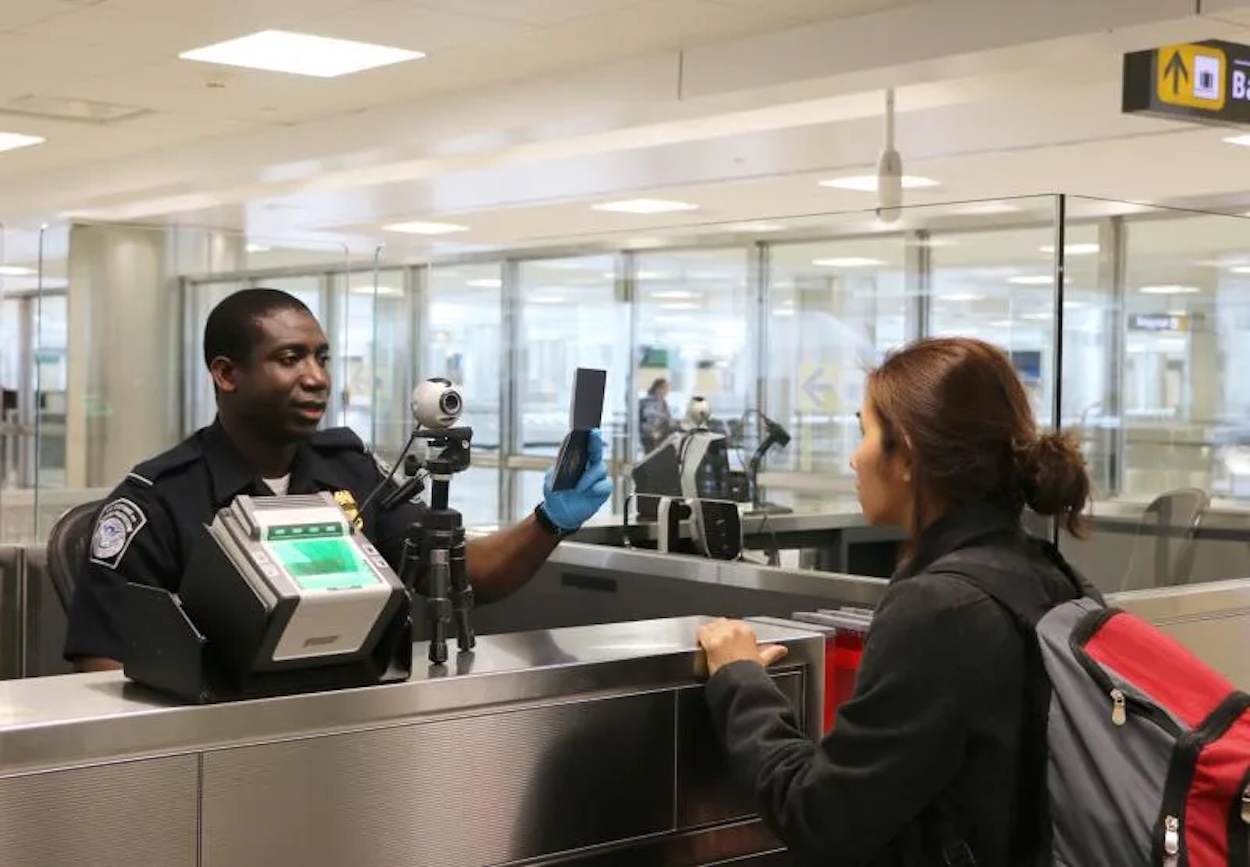
The Trump administration is waiving visa bonds of up to $15,000 for certain World Cup ticket holders, a sensible carveout that underscores a much broader travel problem: the United States cannot host the world while making it needlessly expensive and intimidating for visitors to enter.
U.S. Waives $15,000 Visa Bonds For Some World Cup Fans
The Trump administration has suspended a requirement that certain foreign visitors pay visa bonds of up to $15,000 in order to enter the United States for the 2026 FIFA World Cup.
The waiver applies to fans from World Cup-qualifying countries that are otherwise subject to the visa bond program, so long as those fans purchased FIFA World Cup tickets and opted into the FIFA Priority Appointment Scheduling System by April 15. The exemption currently affects ticket holders from Algeria, Cape Verde, Ivory Coast, Senegal, and Tunisia.
Players, coaches, and certain team staff were already exempt as part of broader efforts to prioritize World Cup-related visa processing.
The 2026 World Cup will be hosted by the United States, Canada, and Mexico, with the United States hosting the bulk of the tournament. It seems absurd to me to invite the world to come, then tell some fans that they must post a bond of $5,000, $10,000, or $15,000 just for the privilege of attending a football match…
The Travel Angle: The U.S. Wants Visitors, But Keeps Making It Harder To Visit
I understand the rationale behind visa bonds. The U.S. government is trying to address visa overstays, and some countries have been flagged because of higher overstay rates. Immigration enforcement is a legitimate government function and is one of the primary reasons why President Trump was elected in 2024.
But there is a point at which excessive screening becomes an unnecessary travel deterrent.
A $15,000 bond is a massive financial barrier, especially for fans who may already be paying inflated World Cup ticket prices, airfare, hotel rates, and domestic transportation costs. For many visitors, in the Word Cup context or outside it, the bond alone would make the trip impossible.
And that matters because international visitors help grow and sustain the U.S. economy. They spend money in hotels, restaurants, airports, rideshares, shops, museums, and stadiums. They support jobs and fill planes. Most importantly to me, they also shape how the world views the United States.
The point is not that we (me speaking as an American) need the world to “like” us. Rather, the point is that many people outside the USA (and not always for bad reasons) seem to link Americans with Trump…when we here in the country know the situation is much more nuanced than that and that 75,012,178 Americans voted against Trump…he won the popular vote 49.8% to 48.3%. His policies do not speak for us and we love foreign visitors to this country. We are a hospitable people and our country is beautiful.
The Law May Be Defensible, But The Optics Are Terrible
The State Department says no visa is issued until a consular officer completes screening and determines the applicant meets U.S. law. Fair enough. The waiver does not mean automatic admission, and it should not.
But the optics of a World Cup visitor being told to pay up to $15,000 before entering the United States are terrible. The whole point of hosting a global event is to welcome the world, not to look like a country grudgingly opening the door while demanding a cash deposit at the threshold.
The administration appears to recognize that, hence the carveout. That’s good news.
But the carveout also highlights the underlying tension. We want the economic benefit and prestige of hosting the World Cup. We want packed stadiums and global attention. Most of all, we want tourism dollars. But we also have a visa system that can be slow, costly, and unpredictable, especially for visitors from certain countries.
That tension will not disappear just because some fans are exempted from a bond. It’s a much bigger problem that I wish Congress and the administration could address once and for all.
This move also shows that the government can create targeted travel flexibility when it wants to. That should not be limited to World Cup ticket holders. The same logic applies more broadly: make it easier for legitimate visitors to come, spend money, follow the rules, and leave.
That is not open borders: it is common sense!
CONCLUSION
The Trump administration is waiving visa bonds of up to $15,000 for certain World Cup ticket holders from qualifying countries, including Algeria, Cape Verde, Ivory Coast, Senegal, and Tunisia.
That is a sensible carveout. The United States cannot market itself as the centerpiece of a global sporting event while making fans pay huge bonds just to attend matches.
But this should also be a reminder that travel policy matters. Visa rules, processing delays, security theater, and immigration optics all influence whether people choose to visit the United States. The World Cup is a chance to showcase America to the world. Making it easier for legitimate fans to enter is not weakness…and that logic should go beyond the World Cup.
image: DHS





Well, well, well… looks like we’re back to OPEN BORDERS… /s
Matthew: May want to research this one a bit more. From what i’ve read “We are waiving visa bonds for qualified fans who bought World Cup tickets and opted in to FIFA PASS as of April 15, 2026.” (quote from assistant sec of consular affairs).
Of course April 15 was before they announced they would waive the fees, so they are waiving fees for ppl who opted into a program thinking they would have to pay the fees. Considering we are by and large talking about poor countries, this is very few people.
https://www.nytimes.com/athletic/7279070/2026/05/14/world-cup-visa-bond-waiver-explained/
America. This is embarrassing. We need to take the whole country, put it in rice and then reset to factory settings.
They need $ to pay for that damned ballroom and they’ll get it any way they can!!!!!!!!!!!!!
It’s May 15. This is far too late in the game for this announcement.
And this is likely only happening because the tourist industry put pressure on the administration after realizing their bookings are lagging way behind projections.
I waited to comment because within a few hours words are distorted and erased from someone that isn’t rational.
So, if a pax books, say, Europe to US to South America, do they to pay the bond? I’m talking about someone who has to clear passport/customs in the US just to re-enter and board the plane to South America. We need appropriate laws on this in the US, but they need be no more stringent than what is (or soon will be) in place in the UK, Australia, or Shengen. You’ve got your wish, DJT, everybody will remember you. But everybody will remember Musolini.