
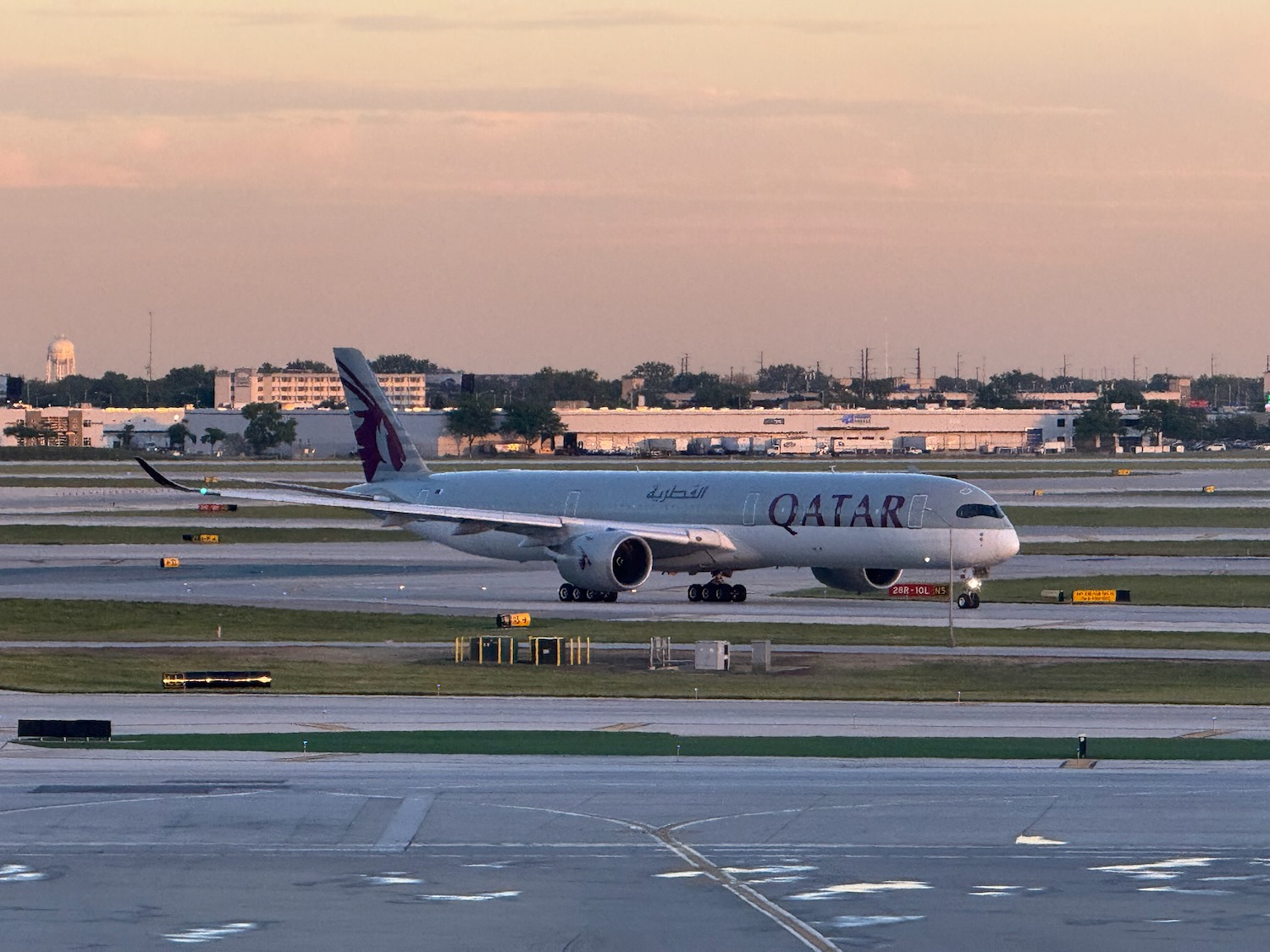
A preliminary U.S.–Iran deal may eventually lower jet fuel prices, but travelers should not expect airlines to rush out and lower fares. Funny how that works…
Airfares May Stay High Even If Jet Fuel Prices Fall After U.S.–Iran Deal
A preliminary agreement between the United States and Iran could eventually bring down jet fuel prices on a sustained basis, but do not expect airlines to suddenly make your next ticket cheaper.
The recent conflict caused jet fuel prices to nearly double, forcing airlines to cut some flights and raise fares. A framework agreement expected between American and Iranian officials would restore oil exports from the Middle East and reopen the Strait of Hormuz, a key route for global jet fuel exports.
That sounds like good news, and eventually it may be. But airlines are unlikely to immediately pass those savings on to passengers. Jet fuel is one of the largest expenses for airlines, typically accounting for about 25-35% of flight operating costs. Oil fields, refineries, and shipping routes do not simply restart with the flip of a switch. Even if the political framework holds, it may take months for supply chains to normalize and for jet fuel prices to drop.
There’s a complicating matter as well. When fuel prices spiked, airlines raised fares to offset the higher costs. But now that travelers have shown they will tolerate those higher prices, airlines have little incentive to lower them quickly…
Airlines Like Higher Fares
The dismaying outcome of the Iran conflict, beyond the war itself, is that airlines have discovered that passengers are willing to pay more.
The New York Times notes that U.S. airlines have raised prices seven times since February. Southwest CEO Bob Jordan said recently that despite all those fare hikes, demand has not dropped off. Domestic fares in the United States are reportedly up 28% year-over-year, while international fares are up 18%.
I’ve felt that. Have you?
If people keep buying tickets at higher prices, why would airlines lower them? We can talk about fuel hedging and refinery restarts, but the simple reality is that airfares are governed by what people are willing to pay. And right now, people are still paying…
United CEO Scott Kirby also made the broader point earlier this year that the longer higher pricing lasts, the more likely it becomes that those increases stick. That is exactly what I would expect. Airlines will say higher fuel costs forced them to raise fares, but once fares are higher, they are not going to voluntarily retreat unless competition or demand forces them to do so.
> Read More: United Thinks It Can Pull A “Concorde Moment” And Keep Airfares High, Even If Fuel Prices Drop
Where We Might See Deals
If there is a silver lining here it is that it often takes just one carrier to lower fares, which forces other to follow.
If demand weakens in the fall or winter, airlines may offer more sales. Middle Eastern carriers, which have been hit especially hard by the conflict, may need to lower fares to stimulate traffic.
But do not expect broad fare relief just because fuel prices eventually fall. Airlines are far more likely to cut capacity than slash fares. Fewer flights with higher fares can be better for airline margins than lots of flights with cheap seats.
CONCLUSION
A preliminary U.S.–Iran deal may eventually ease pressure on jet fuel prices, especially if oil exports from the Middle East normalize and the Strait of Hormuz fully reopens. But lower fuel prices do not mean lower airfares anytime soon.
Airlines raised fares when fuel prices surged. Now that passengers have kept buying tickets anyway, airlines have every reason to keep those higher fares in place as long as demand holds.
Fuel prices may come down. Your airfare probably will not, at least not right away…





We should’ve never bailed them out during the pandemic.
And they shouldn’t.
Airlines for so long we’re flying at a loss only making money from their crypto scam miles. Now that spirit is gone and they have an excuse to keep fares high they should.
What about the supply side of the equation? We should see more flights and seat-miles enter the market if prices are sticky and margins increase due to lower fuel costs.
Demand never dropped, unfortunately that’s the problem.
So much for the Trump economy being so bad.
I think a big part of this is that air fares, on average, dropped from 2019-2025 while the cost of everything else rose 25%.
These fare increases just bring fares back up with the rest of everything else.
Sounds like they’re actually lower than the inflation-impacted prices of everything else.
I don’t want to give a pessimistic impression, but as long as demand remains this high, airfare prices will never, ever go down…