
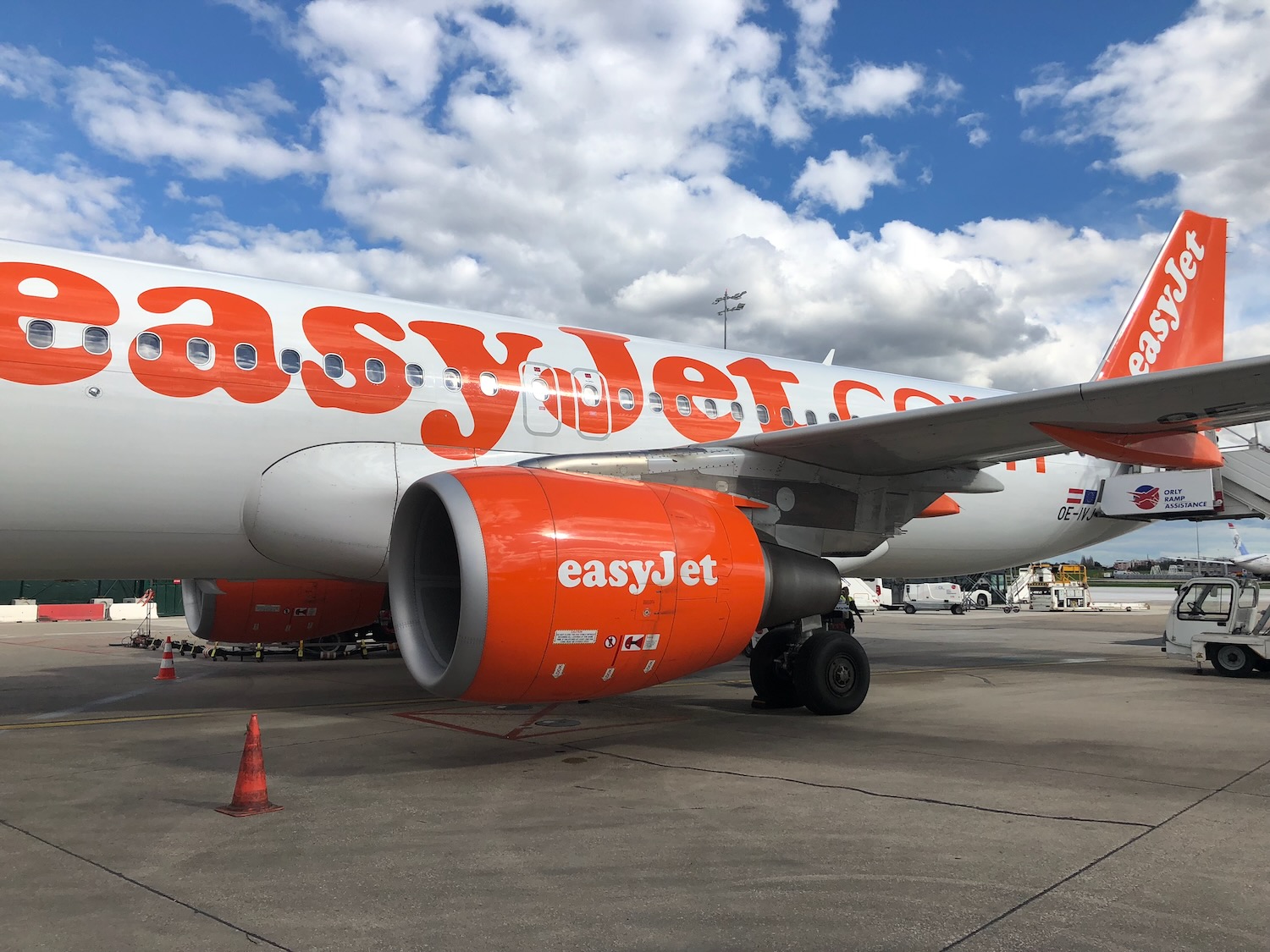
EU261/2004 may finally be updated and much to my delight (and contrary to months of rumors), Europe is not gutting passenger compensation. Quite the opposite: the core compensation scheme appears set to remain largely intact, while airlines may soon have to make it much easier for passengers to claim what they are owed.
EU261 Flight Compensation Rules May Get Stronger, Not Weaker
For years, airlines have complained about EU261/2004, the European passenger rights regulation that requires cash compensation when flights are significantly delayed or canceled for reasons within the airline’s control. And for years, I have said that while EU261 is not perfect, it remains the gold standard for passenger protection. It is also one reason I wish the United States would adopt something similar.
Now, after years of debate, the European Union appears close to a compromise on updating EU261. The big surprise is that the feared rollback of compensation does not appear to be happening. As Politico reports, EU negotiators have reached a compromise proposal on air passenger rights, and the cash compensation amounts are expected to remain largely unchanged, which is not a comsonumer victory considering how much inflation we’ve seen the last 20 years, but also not a defeat considering the alternative of gutting EU261/2004 altogether.
What Is Not Changing
The most important thing is what is not changing: the basic EU261 compensation framework.
Passengers will still be entitled to cash compensation when they arrive significantly late because of a delay or cancellation within the airline’s control. The familiar compensation amounts remain:
| Flight Distance / Category | Arrival Delay Required For Compensation | Compensation |
|---|---|---|
| Flights up to 1,500 km | 3 hours or more | €250 |
| Intra-EU flights over 1,500 km | 3 hours or more | €400 |
| Non-EU flights between 1,500 km and 3,500 km | 3 hours or more | €400 |
| Non-EU flights over 3,500 km | 3 hours – 4 hours | €300 |
| Non-EU flights over 3,500 km | 4 hours or more | €600 |
The airline industry wanted a much more dramatic rewrite. Earlier proposals would have made passengers wait longer before compensation kicked in, including thresholds of four hours, five hours, or even six hours depending on flight distance.
Thankfully, that does not appear to be the final direction.
The concept of “extraordinary circumstances” also remains. Airlines still do not have to pay compensation when the disruption is caused by things like severe weather, air traffic control restrictions, security issues, or other circumstances outside the airline’s control.
That is fair: airlines should not pay compensation because of a snowstorm or a volcanic eruption.
But airlines should pay when the delay is their fault.
What Is Changing
The real change appears to be enforcement and transparency…and that’s a really big deal.
Under the compromise proposal, airlines would reportedly have to send eligible passengers a link to the compensation claim form within 48 hours of the scheduled arrival time, which is a game-changer.
Right now, many passengers simply do not know they are entitled to compensation. Airlines may technically have information buried somewhere on their websites, but none are rushing to tell passengers, “Good news, we owe you €600.”
This would change that.
Airlines would also have to provide a reason for the disruption and specify whether they are claiming extraordinary circumstances. Once a passenger submits a compensation claim, the airline would have 30 days to pay or explain why it is refusing the claim.
That is exactly the sort of reform EU261 needs.
The biggest problem currently with EU261 is that airlines often make passengers fight for it. It’s a war of attrition and airlines blame weather, air traffic control, fuel supply, or vague “operational reasons” until passengers give up (or hire an attorney).
If airlines have to proactively notify passengers, provide the reason for the disruption, and respond within a clear deadline, that makes the system far more transparent and consumer-friendly.
(Let me add an aside here that my only recent EU261/2004 claim has been with Air France and the French carrier handled it very professionally and promptly paid out after completing some additional paperwork in order for me to claim the money on behalf of my children)
Airlines Will Hate This…
Understandably, airlines are crying foul already, claiming it will cause ticket prices to rise.
Costs to airlines may rise, but that doesn’t mean they can simply pass it on to consumers in a competitive market. And the cost is not rising because compensation amounts are suddenly exploding. The cost is rising because more passengers may actually receive the compensation they were already owed.
Airlines hate to pay out this compensation, but that is the point of this system.
If an airline causes a long delay, strands passengers, or cancels a flight for reasons within its control, it should not be able to hide behind a confusing claims process and hope most people never ask. I’d like to see the payout automatic, but this is a compromise I can still applaud as progress.
CONCLUSION
The pending EU261 compromise appears far better for passengers than earlier feared. The core compensation amounts remain intact and delay thresholds do not appear to be gutted. Airlines still retain protection from paying compensation in genuine extraordinary circumstances.
But what changes is important: airlines may have to proactively inform passengers of their rights, send claim links, explain the reason for disruptions, and pay or justify refusals within 30 days.
That is a very good reform.
EU261 has always been powerful in theory. The problem has been enforcement and passenger awareness. If this update makes it harder for airlines to stonewall valid claims, then passengers should celebrate and airlines should stop complaining and work on improving operational performance instead.
Now, can we get some protection like in the USA please?



PRAISE!! Well done, European Union! EU261 is not perfect, but it’s far better than the nothing we have in the US, these days. I’m pleased that the EU at least sees value in improving and revising such regulations.
(And, to the corporate shills and airline lobbyists… fellas, you don’t have to make a claim; you can accept your 6 hour delay due to a preventable staffing or maintenance issue, while the rest of us get our $250-700, thank you very much.)