
I was inside L.E/Miami, the invite-only show where the world’s poshest hotels court travel’s inner circle. Here is what the luxury set is planning.
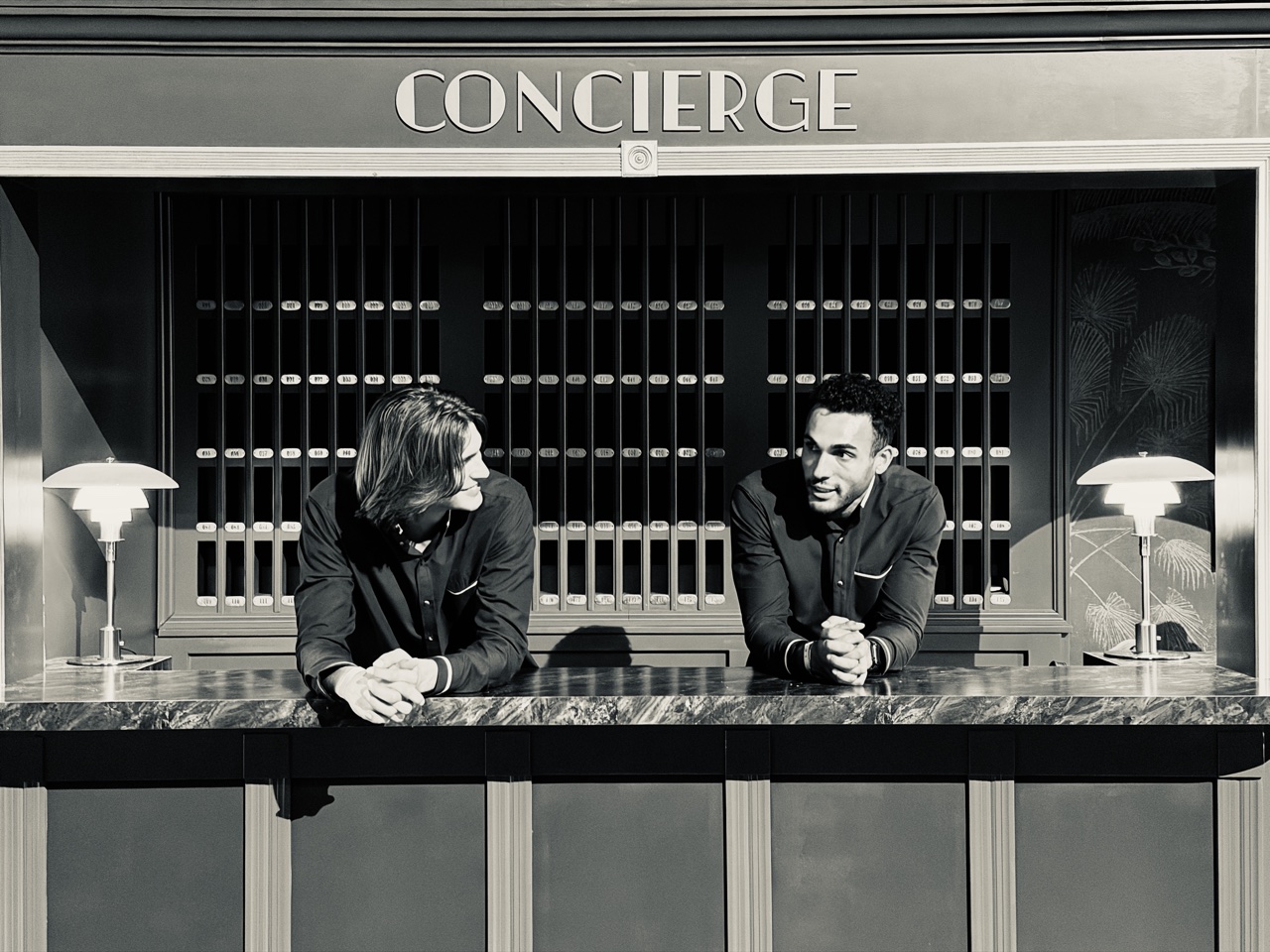
What Is L.E/Miami?
Most travel trade shows are convention-floor cattle calls. L.E/Miami is deliberately the opposite. Run by This is Beyond, the event (Limited Edition: Miami) took over the Miami Beach Convention Center from June 1 to 4 this year, and you cannot simply buy a ticket. The organizers spend the other 361 days of the year vetting applications, and only the brands and buyers they consider the most forward-thinking in contemporary luxury travel make the cut. I was humbled to be included. The result is a collective of roughly 2,000 members: boutique hotels, five-star resorts, private islands, wellness retreats, and the agencies and advisors who sell them, matched through up to 45 prescheduled one-on-one meetings over four days.
It is the room where the next two years of high-end hotel openings, brand launches, and design directions get pitched before the press releases. I was fortunate to be inside that room this year, and it was illuminating.
Some conferences in the industry operate with a similar model but if ILTM is a St. Regis, L.E/Miami would be a 1Hotel, W, or Andaz – a little bit sassy, a little bit cool but fully elevated

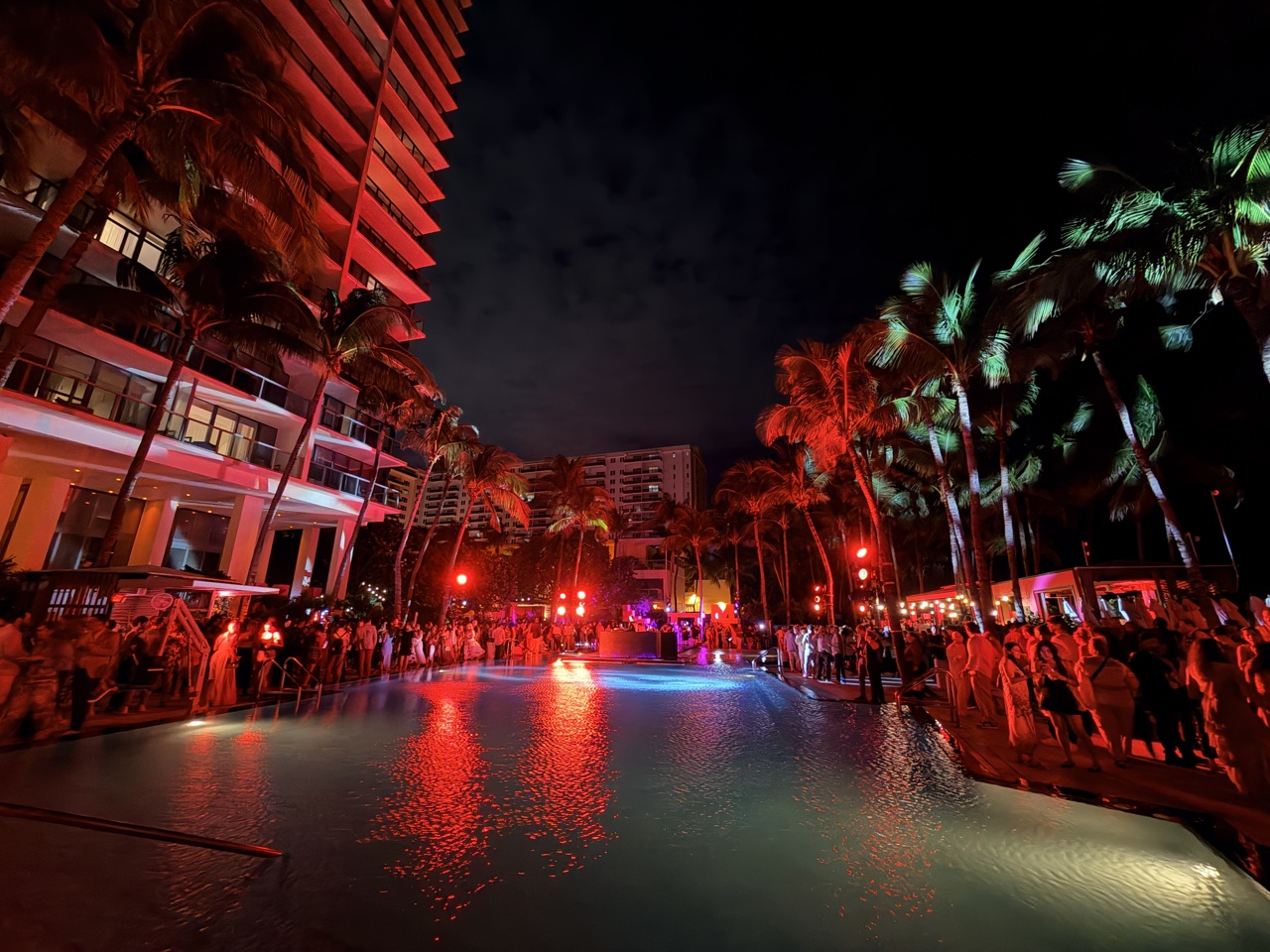
The opening party was held at the W Hotel South Beach, the closing at 1Hotel. Most major brands held their own invite-only events during the week including Rosewood, IHG, Hyatt, Four Seasons, and Marriott.
The Boutique Hotels Everyone Was Talking About
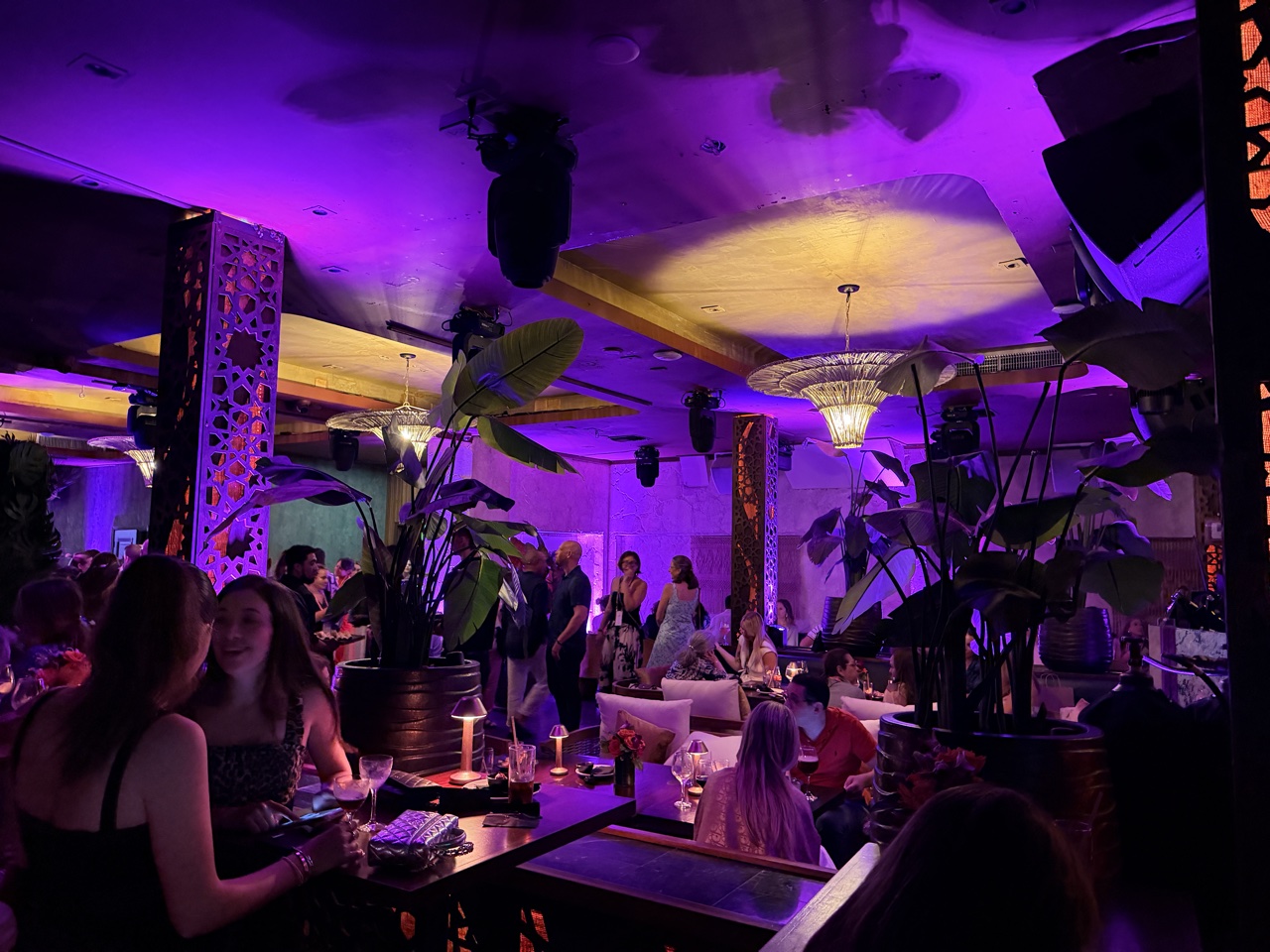
The center of gravity at L.E/Miami is always the boutique hotels, the independent and small-brand properties that compete on personality rather than points. This year was no different.
The Nomade Temple Holbox is offering a little escape on the northern Yucatan Peninsula from Cancun’s bustle and crowds. On the island, modern palapas and treehouses lean into nature, sun, and sand. It’s opening a nine more to accompany the pair in Mexico (the other is in Tulum) including a wellness focused resort on Ibiza’s northern coast far away from the EDM party crowd to the south.
The Viceroy Los Cabos is an architectural marvel while the Riviera Maya location, like Nomade, leans into its beach and cenote vibes.
In Chiang Mai, 137 Pillars is an incredible conversion of the British Borneo Company, a teak wood exporter. Just 30 keys in an all-suite property that’s conveniently located but somehow appears still quiet and private.
The Shelborne by Proper on Miami Beach is an impressive mid-century modern. At least one other luxury chain discussed elsewhere on Live And Let’s Fly without a significant Miami Beach presence held a large party for partners at the Shelborne. Its cabanas are inviting and classic as is the restored diving board, even if purely for decoration.
The Trends That Dominated The Floor
One of the buzziest terms at L.E/Miami was, of course, AI but few identified a meaningful guest experience enhancement to accompany the use of the technology. Hotels have access to a copious amount of data from a guest’s stay. From meal preferences and room assignments to average arrival and departure time to method of payment, and services rendered. Perhaps the lack of useful AI is a magnanimous act of privacy considerations for the guest: imagine being on the other side of a call from the front desk, “is everything alright, you usually check out by 9 am to go to your meetings, but you’re still checked into the room with a TV on?” Or maybe it’s that we haven’t yet seen consistent use cases for guest improvement.
Almost every new build development includes residences. This has been going on for some time at the very top of the market but seems like it’s filtering through the rest of the luxury market.
Nobu Las Vegas (the original Nobu hotel) shared that rates across the market, a tourism dependent city that has been closely monitored as Canadian traffic is down 35% for the year, has an elevated occupancy rate just under 95%, an improvement over last year despite a city-wide ADR increase of $14 year-on-year.
More than one of my meetings mentioned that Average Daily Rates (ADR) are up considerably over the last few years, one mentioned as much as 40% in the last three; the rest of the US luxury market seems moderately elevated. US luxury hotel rates have meaningfully outpaced the rest of the hotel market, with STR/CoStar showing luxury ADR up about 5% to 6% year over year in 2025. Luxury ADR had already recovered to roughly 25% to 30% above 2019 levels by 2022–2023, Still, it felt like there was some hesitance around further rate creep.
What I can say is that the broader industry context made the conversations sharper this year. Hotels are chasing revenue beyond the room, day-access platforms are going mainstream, and the gap between loyalty-program luxury and true boutique luxury keeps widening. The brands at this show sit firmly on the far side of that gap.
And while I didn’t meet with Faena, the brand is sprawling across Miami Beach with multiple locations, a boutique, restaurants, and a coming art gallery. It’s expanding footprint could be thanks to its partnership with Accor or in the words of a colleague “it just feels like they are hitting their stride.”
Products To Watch
The other thing L.E/Miami reliably delivers is a first look at new hotel openings before the glossy magazines get them.
Though the Four Seasons Cartagena has been open for a couple of months, this property was one of the most anticipated. Taking over a block in the Gethsemani walled city, the property is stunning and while at the top of the market by a healthy margin in Cartagena, it’s a relatively affordable outpost from the brand with nightly rates available from $760 but climbing during high seasons and Festive.
The boutique airline, JSX, that utilizes ATR and E-145 aircraft to fly from FBOs on scheduled charter service has room to grow. The route network is starting to look quite large and adding airports like Naples, Florida and Teterboro, New Jersey (though this one is a bit more complicated) has inspired carriers like American to begin exploring service too. It has additional equipment to deploy.
Secondary markets for elevated brands are also on offer. My former home, Manchester, England, is home to two major English Premier League football teams, hosts an awful lot of entertainment events (The Brits, recently), and has a massive catchment area that extends to Liverpool and the Irish sea. It’s long been devoid of a true five-star though many have come close including the Dakota near the Piccadilly train station. Yet growth at the upper end of the market is slated to improve. Starwood’s Treehouse brand has opened, and a Soho House, W, and Nobu are all on the way. Is looking toward growing secondary markets like Manchester a development trend for the near future?
Grand Park Hyatt
One of my most surprising meetings was with the Grand Hyatt Grand Cayman (opening delayed to October 2026) and Grand Hyatt Deer Valley. Representatives from both brands spoke of a reinvention underway for the brand. They spoke of a departure from the mega business hotel brand that Grand Hyatt was known for, and I recalled the dark brooding themes of the Grand Hyatt DFW, the heavy themes of the Grand Hyatt Bangkok Erawan, and the large spaces of the Grand Hyatt Baha Mar.
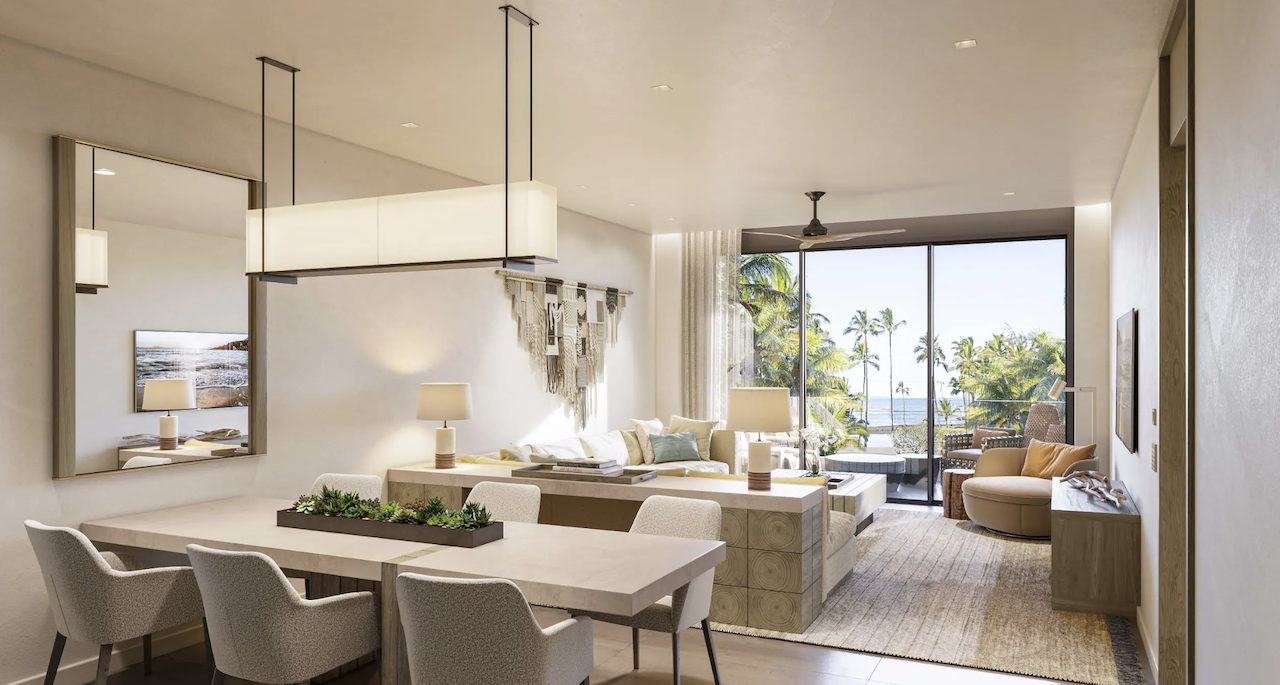
They described a “Grand Park Hyatt” approach of making Grand more of a Park Hyatt junior rather than a Hyatt Regency senior. Somehow, it seems to have struck that difficult chord. The size of the properties appear to remain in the size of traditional Grand Hyatts, the coming Cayman Islands site has more than 350 keys. But the design carefully feels both modern and elevated and yet still comfortably familiar
I’ll be closely monitoring future developments for iterations on this concept.
Conclusion
An invite-only show like L.E/Miami can feel like an indulgence, four days of beautiful people pitching beautiful properties to each other in Miami Beach. But it is also the most honest read available on where high-end travel is going, because the brands represented in those meetings are betting on what travelers will want in 2027 and 2028, not reacting to what they wanted last year. The boutique hotels in that room are not competing for your points; they are competing for your sense of taste, and that competition keeps raising the bar for everyone, chains included. I left with a notebook full of properties I want to see for myself, and several of them will end up reviewed here once I do.
What do you think?






The destinations mentioned in this post show just how uncreative those involved in these markets are. No secluded resorts on the Mozambican coast, nothing combining jungle and sea in NE Brazil, Chiang Mai was one of the few places that had already been popular with digital nomads before the pandemic and Manchester itself is the birthplace of the industrial revolution.
This is the industry which failed to discover the Peloponnese (with beaches on a completely different level to those of Mykonos etc) for fourty years after Greece had managed to establish itself as a major tourist destination, and it looks like they still can’t envisage a world-class ski experience in Zakopane or a true luxury retreat somewhere like Laos or a Central American country. With that sort of track record, I’m struggling to understand how they manage to market their services to people who are highly successful and intelligent.
@PM – Respectfully, this is not a sampling of properties that are recruited and flown in to showcase their product free of charge. The hotels that present will be those with a marketing budget sufficient to support the conference and a marketing and/or salesperson that can be positioned to present it. They also have to meet strict standards for the quality of the product and market fit.
To that end, it’s not that the conference nor its participants can’t “envisage a world-class ski experience in Zakopane or a true luxury retreat somewhere like Laos.” To the contrary, advisors are always looking for something unique, obscure, and now more than ever some place the clients’ friends have yet to brave. Here’s my review of Sofitel Luang Prabang (https://liveandletsfly.com/review-sofitel-luang-prabang-garden-suite/). Rather in the case of that Mozambican coastal gem you mentioned (share a link if you have one) either being uninterested in the US travel market, the largest by far and 25% of the total global travel market (next closest competitor is China at roughly 12.5%), they don’t meet the requirements of high premium or luxury, or they qualify, but don’t want to spend the money.
Regardless, it’s not a lack of imagination from the organizers nor attendees. I’d love nothing more than to report back an overlooked five-star in Fortaleza or beyond.
I think you’ve misunderstood my point, I’m not criticising the organisers/participants or commenting on specific properties which may or may not have chosen to participate.
My view is that the lack of variety/representation at the event is reflective of an industry which is only willing to develop luxury properties in regions which already have robust tourist infrastructure and significant demand at the 4-5 star levels… and that’s pretty ironic when they’re trying to sell exclusivity!
@PM – You’re right, I did misunderstand. I don’t disagree entirely that there should be more diversity in destinations – Manchester without a five star all of these years underscores that point. However, it’s hoteliers making that investment, not the chains, and if you think about it how much opportunity is there on the Mozambican coast?
As a thought experiment, participate if you like, ignore if not.
If you’re going to build a five-star or even a four-star luxury resort, how much investment does that require and what are the instruments? Financing options are likely narrow, especially at current interest rates. And assuming that the resort will be sufficient to repay the investment and make money for years to come, it will have to be of a certain size likely increasing the expenditure and further narrowing financing options. The more remote, the more marketing that’s needed, and the greater the need to make it a destination people will travel out of their way to reach. So let’s just assume you have a modest $20MM investment with 10% interest, 60% is the standard occupancy for luxury properties, we will assume flat occupancy from day one, at $750/night. with standard operating costs (according to AI) has a payback period of 8-12 years. That’s without adjusting for more expensive amenities or service but also ignores a potentially lower cost basis for some items like food and labor. That also ignores the outsized marketing expense of launching this type of product, and up to 11% in marketing expenses joining a major loyalty program if they choose that route.
It’s going to be hard to get an investor to try to “create” a destination that isn’t already well-treaded, risk $20MM on a far less salable asset (then yet another hotel in Chiang Mai) to start earning profits in 8-12 years, but honestly, probably longer.
If you gave me $20MM to start a new resort, I wouldn’t take that opportunity (even with your free money) on introducing a new (incredible) destination to a market unfamiliar with it. I’m not saying I would try to build yet another Cancun resort, but the farthest reaches require so much to make them successful that it’s a tough sell to investors.
Whole lotta neon… “Grand Park Hyatt” feels like a ‘trying too hard.’
@1990 – The neon is a lot. But they do a good job of wrapping you in the theme but it keeps it light and cheeky. Also, the neon pink entrance above is actually floor to ceiling LED screens with a mirror on the ceiling to double the effect.
I love to read these articles from Kyle Stewart. The hotels mentioned are well beyond my price range and I enjoy reading about things that I cannot afford. Thanks Kyle for your luxury perspective. Points and Miles have brought me to some really amazing properties around the world and I realize that there are even better hotels out there that I might want to sample someday. TU
@Thomas Underhill – I appreciate that. Safe travels!
“Luxury must be comfortable. Otherwise it is not luxury.” – Coco Chanel –
“Quality is remembered long after the price is forgotten.” – Gucci Family Motto –
That notebook full of properties you want to see for yourself is surely invaluable! I kindly remind you to keep it safe.