
Allegiant says the credit card is the real prize in its Sun Country deal. With United, Breeze, and American trimming service, the bet could hit turbulence.
The Merger Closed, Followed By An Admission
Allegiant completed its acquisition of Sun Country on May 13, a $1.5 billion deal including about $400 million of assumed debt that creates the largest leisure-focused airline in the US. The combined entity serves roughly 175 cities, more than 650 routes, and a combined fleet of 195 aircraft. The two brands and their loyalty programs will run separately for the next 18 to 24 months before combining under the Allegiant name.
Then CEO Greg Anderson explained what the deal is actually for. He told Skift that credit cards are the airline’s biggest revenue opportunity. Not new routes, not the bigger fleet, not synergies in the maintenance hangar. The card. Buying Sun Country added a few million leisure travelers to the top of Allegiant’s co-brand funnel, and Anderson is refreshingly honest that this is where the margin lives.
Its Allways Rewards Visa card allows users to earn points at a higher multiple (3x) for Allegiant purchases, car rentals, and hotels, as well as (2x) on dining purchases, and standard (1x) earning on everything else. The Allegiant credit card is not the most rewarding program available, though cardholders can redeem points for free airfare and on 4-night hotel and air packages (or 7-day car rental and air) also earn an airfare benefit, a complimentary drink onboard, and priority boarding. Of all of the airline visa credit card accounts one could open, this one is not at the top of my list, but for even casual flyers on the carrier it probably pays for itself. The airline’s own landing page doesn’t even detail what the “airfare benefit” entails (it’s a buy-one-get-one-free airfare), nor the annual fee ($59) but the points and benefits might offset the cost for even infrequent Allegiant or Sun Country flyers.
Hardly A Surprise
None of this should shock anyone who has watched the big carriers’ earnings calls. The major US airlines collectively make more reliable money selling miles to banks than they do flying airplanes, and loyalty programs have been valued higher than the airlines that own them. What is new is seeing the model pushed this explicitly at the ultra-low-cost end of the market, where the product being flown is a $59 seat to Florida and the customer flies twice a year.
That is exactly why Allegiant wants to grow its credit card program so intently. A customer who flies twice a year but swipes every day is worth far more as a cardholder than as a passenger. The airline becomes the marketing department for the bank, and the planes become the loyalty program’s proof that the points are worth something. But discount carriers have struggled gaining traction in the credit card space. Positioning the merger was one significant challenge, but creating a reliable and profitable relationship via Bank of America and a cadre of new customer targets is a still loftier goal.
Here Is Where The Bet Could Hit Turbulence
The entire model rests on one assumption: that the flying stays attractive enough to make the card worth keeping. The rest of the industry is currently demonstrating how shaky that assumption can get. United is trimming roughly 5% of its second and third quarter schedule as fuel prices have spiked, cutting red-eyes and soft midweek flying, on top of slashing about 18,200 summer flights at O’Hare after the FAA imposed capacity limits. Breeze, a new Allegiant peer, just retreated from nine routes including Orlando, Tampa, and Los Angeles markets, after ending Raleigh-Durham to Los Angeles in January. And American has been cutting California routes as it concentrates on its strongest hubs.
Domestic demand is the common thread: US domestic traffic has been essentially flat this year, and leisure-heavy schedules are the first thing airlines cut when fuel rises and demand stalls. A credit card pitched on free trips to Sanford and St. Pete gets harder to sell when the route map keeps shrinking. Points on a leisure airline are only as good as the destinations it still serves, and cardholders notice when their home airport loses its nonstop.
What This Means For Current Cardholders
For now, nothing changes. Allegiant says the Sun Country Visa and its rewards retain their value, and both programs run as-is until the combination, which the airline has signaled will happen within two years. The integration is the moment to watch. Loyalty mergers are where value leaks out, and a program being repositioned as the company’s main profit center has every incentive to tune earning and redemption rates in its own favor. If you are sitting on a large Sun Country balance, the prudent move is the same one I give for every merging program: spend down to a working balance before the conversion charts are published, not after.
There is reason to hold out hope, however. If the Allegiant team really wants to make a play for a larger business and a larger airline, it’s possible the team tries to make its card product even more compelling. Richer benefits could increase sign-ups and gain attention from the wider public.
Conclusion
Allegiant buying Sun Country to supercharge a credit card business is a surprise but it shouldn’t be. The economics of co-brand cards are significant, and at the leisure end of the market they may genuinely be the best margin available. But the card is a derivative of the airline, and the rest of the industry is busy proving how quickly leisure flying gets cut when fuel and demand turn. Anderson is making a sensible bet with an obvious failure mode. If the route map keeps growing, the card could grow with the network. If Allegiant shrinks the way United, Breeze, and American are trimming right now, the credit card pitch will be attached to an airline people have fewer reasons to fly.
What do you think?






Banks. With. Wings.
(I swear, at some point, airlines would prefer not to operate, and just collect on their co-branded partnerships. Probably more profitable, but, in the aggregate, it would eliminate the public necessity for air travel… maybe we will need a national airline, after all…)
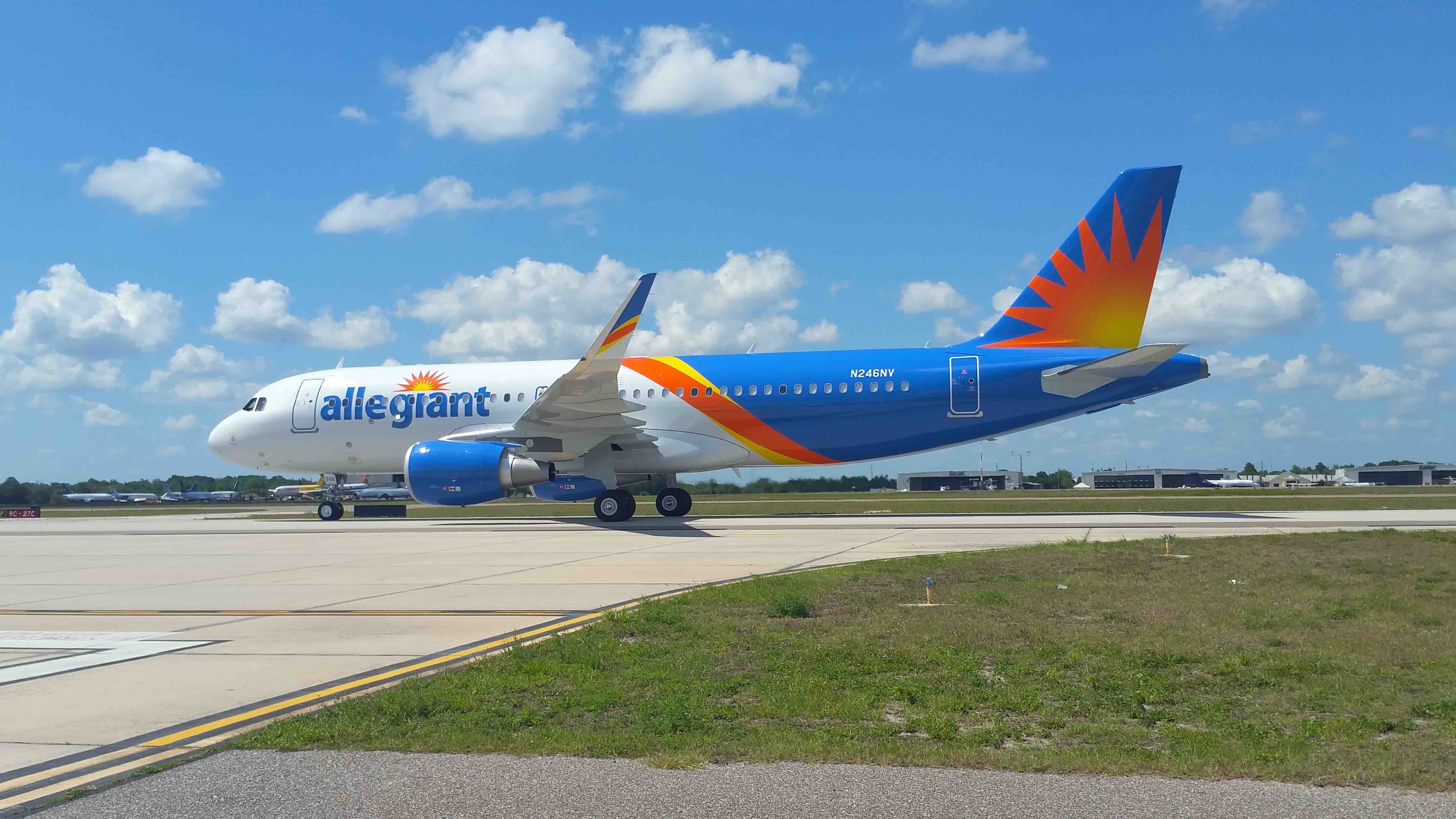
For aviation enthusiasts → The G4 jetliner in the article’s photo is an A320-200 (age: 9.2 years). It is currently en route from CVG to PGD.
It is worth noting that many discount travelers are apprehensive about this acquisiton. SY previously had a niche following offering budget-friendly, full-service vacation travel out of MSP. Leisure fliers worry that applying G4’s hyper-unbundled, fee-heavy, ultra-low-cost model to SY routes could result in an overall bland or more expensive travel experience.
We live in Fort Myers and have flown Allegiant about 25 times over the past 5 years. They cater to liesure travel people who would rather have a fun weekend away than sit on the couch or blow money on the local entertainment scene. We are retired so we do not care if flights are delayed or cancelled. It happens occasionally if there is only one flight per day and there is problem with the plane or with weather. We have relatives in MSP, so we like the Sun Country merger.
How lucky you are!
If Allegiant or any airline wanted to launch a credit card they’d call themselves a BANK!
Just waiting for a free seat assignment or free carry on and I’ll sign up for the card. Until then, it’s just not worth it.