
Royal Caribbean has bet big and won over the last decade. Mexico just rejected Perfect Day, and the loss matters more than the project ever would have.
Royal Caribbean Spent The Decade Winning
Royal Caribbean’s bet portfolio over the last ten years is almost embarrassingly good. CocoCay turned a forgettable Bahamas stop into the most profitable private destination in cruising. Icon of the Seas validated the giga-ship thesis that every analyst said was overbuilt, and the ship has held a price premium across two years of sailings. The decision to move Icon to Galveston for 2027 rather than defend Florida market share looked counterintuitive a year ago and looks brilliant now. Royal Caribbean stock has roughly five-x’d over the decade and outpaced the rest of the cruise peer set.
That is all important context for understanding what just happened in Costa Maya. Royal Caribbean almost never loses a major bet. They just lost one.
What Perfect Day Mexico Was Supposed To Be
The project was a Costa Maya private destination intended as a Gulf-side counterpart to CocoCay. It was the capacity relief valve for the eastern Caribbean fleet, the anchor itinerary point for Galveston, New Orleans, and Tampa departures, and yet another competitive answer to Disney’s Castaway Cay and Norwegian’s Great Stirrup Cay.
The MesoAmerican Reef adjacency was the marketing pitch. Underwater excursions, swimmable lagoons, water-park infrastructure, the entire CocoCay playbook adapted for the Gulf. Investor presentations baked Perfect Day Mexico into 2027 revenue projections with construction set to start later in 2026.
Mexican federal authorities rejected it, citing damage to the reef and coastal ecosystems. Royal Caribbean issued a measured response and its framing has been about environmental groups winning. That framing misses what actually happened to RCCL’s fleet plan and itinerary marketing.
Why This Rejection Stings More Than It Looks
There are three reasons this may be worse than Royal’s press releases suggest.
First, the timeline. Royal is already started selling future itineraries, marketing the destination in trade press. Royal had also committed serious capital. Cruise Critic reported that a 2024 SEC filing showed Royal Caribbean invested $292 million in Costa Maya and neighboring Mahahual land, with total project investment expected around $600 million.
Shelving the project at this stage will require an extensive amount of re-working and back pedaling.
Second, the optionality cost. CocoCay is currently running well above its original design capacity. Royal needed Perfect Day Mexico precisely because there is nowhere else for Icon-class and Oasis-class ships to send seven thousand passengers for a beach day at the scale the build pipeline requires. The plan B (more piers and attractions at CocoCay) buys limited additional throughput before the island itself becomes the constraint.
Third, the precedent. Mexico is a country most US-departing cruise line needs. If local officials are willing to reject a flagship Royal Caribbean project on environmental grounds, every other private-destination plan in the region just got harder. Carnival, NCL, and MSC all have similar projects at various stages, and the regulatory bar just moved.
But there are other alternatives. The question is which Caribbean destination is so widely received by Americans and is generally willing to sell territory? It already has the Bahamas and Labadee (Haiti.) Perhaps the Dominican Republic, or the Cayman Islands would suit, but they also know they are on a narrowed list and can raise their prices.
What This Means For The Fleet
I expect three operational responses, none of them good for the customer experience.
Royal will add more sea days to four-night and five-night itineraries in the near term. That compresses the per-day onboard experience and historically hurts repeat-booking rates. Royal will lean harder on Labadee in Haiti, which has security and reputational issues that have already cost the brand on at least three occasions. And Royal will arrive at the negotiating table in Cozumel and Costa Maya proper with a much weaker hand than they expected, because the port authorities now know exactly what Royal Caribbean just lost.
What To Watch In The Next Earnings Call
Whether Royal acknowledges the impact directly or buries it in capex deferral language. If management talks about “reallocating private destination investment,” the loss is being absorbed and the share price holds. If they talk about “evaluating alternative geographies,” they are signaling a multi-year reset, and the 2027 numbers come down with it.
Conclusion
Royal Caribbean has been the cruise industry’s best operator for a decade, and one rejected project does not change that thesis. What it does is reveal the operational ceiling that Perfect Day Mexico was supposed to break through. CocoCay alone cannot carry the fleet RCCL has built and is still building. The Icon class is filling the order book through 2028, and the math now has a hole in it. The next twelve months are about whether Royal Caribbean’s executive team can engineer their way out of the trap, or whether the rest of the industry quietly catches up because the leader just lost a step.
What do you think?




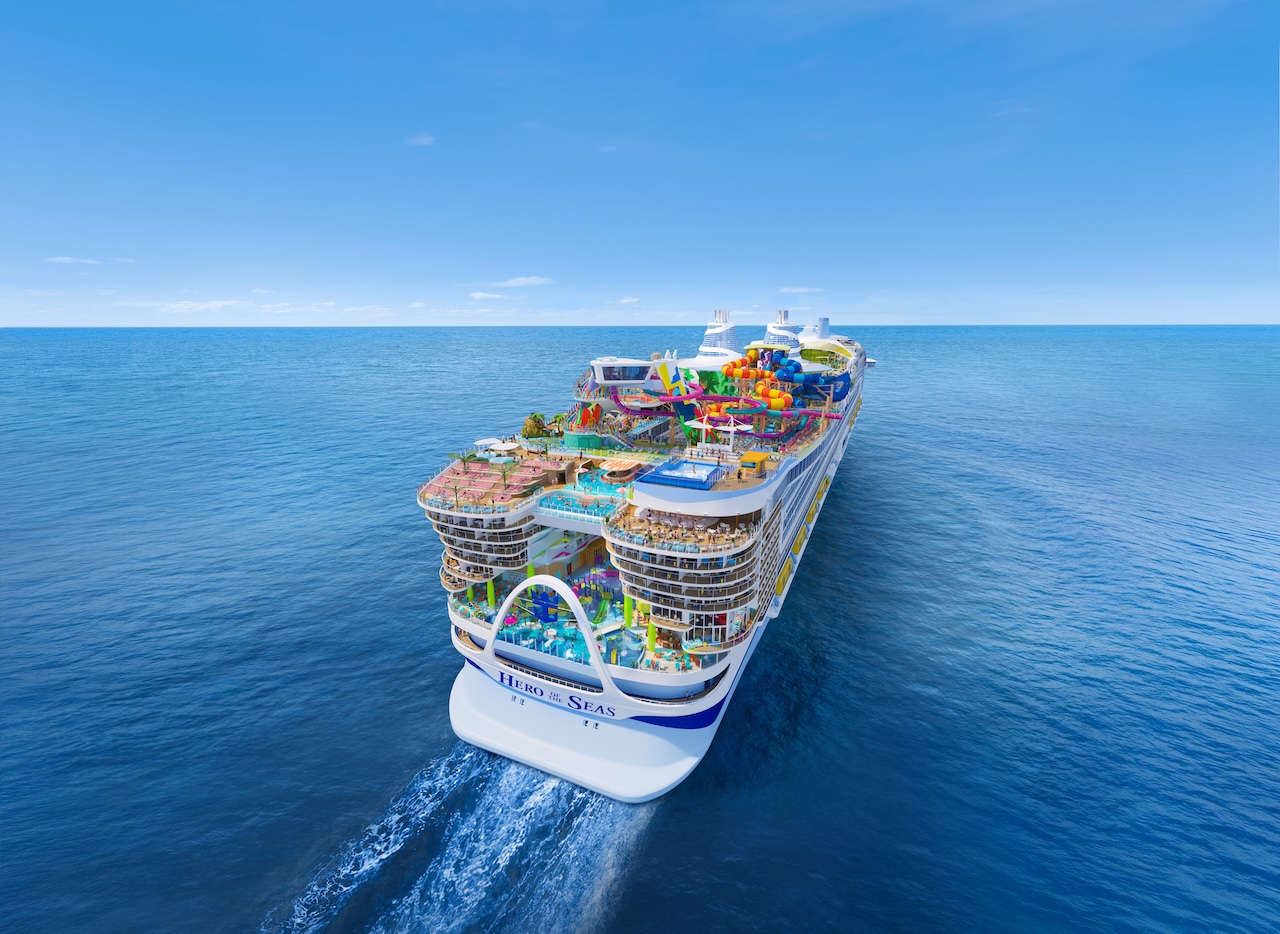
For maritime enthusiasts → The photograph of RCI’s Hero of the Seas cruise ship shown in the article is not a real image, but a representative picture. Currently under construction, the giant vessel in question is Royal Caribbean’s fourth and largest Icon Class cruise ship, officially scheduled to debut in August 2027 sailing out of Miami, Florida. Reservations officially opened to the general public on April 2, 2026.
Faced with strong competition from the Swiss-based Italian giant MSC Cruises, Royal Caribbean management needs to be very vigilant!
MSC is Italian, not Swiss. No oceans in Switzerland might be part of the issue 🙂
When writing your reply, I advise you to carefully read my comment and also do thorough research online.
I think you downplay or are unaware of the realities of these “environmental concerns”. As someone who has been to Cozumel (not via cruise ship) around 10 times over the past dozen years, the impact the cruise industry has had on the island, and the reef environment, can’t be ignored.
There has been a push to build another cruise ship pier on the island, that is going through difficulties over the continued concerns of stress on the environment, and the reef. Dumping 7000 people on a beach near this reef, with all the associated impacts has serious concerns for the environment. In my short time visiting and diving this reef, you can see the negative environmental impacts from continued tourism growth. At some point enough is enough, no matter the effect on a company’s earnings.